Deso
Deso tank range.

2" BSP F/F PVC Ball Valve
£41.00EX VAT · £49.20 INCView product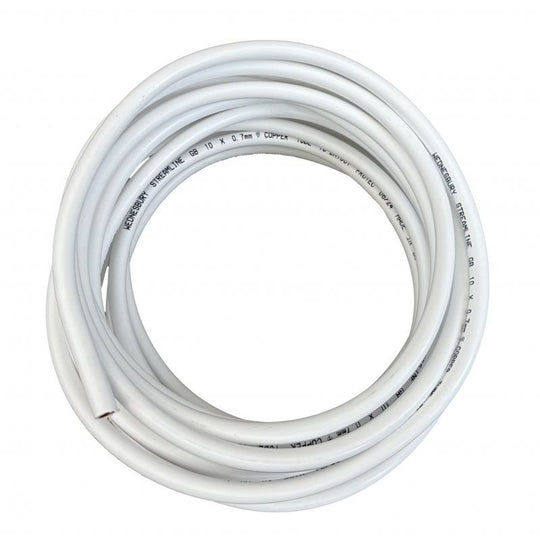
UPVC Coated Oil Line - 10mm Copper Pipe Work 25 Metre Coil
£135.00EX VAT · £162.00 INCView productUPVC Coated Oil Line - 10mm Copper Pipe Work 50 Metre Coil
£240.00EX VAT · £288.00 INCView product
650 Litre Bunded Oil Tank
£949.00EX VAT · £1,138.80 INCView product
1000 Litre Bunded Oil Tank
£1,076.00EX VAT · £1,291.20 INCView product
1225L Bunded Oil Tank
£1,123.00EX VAT · £1,347.60 INCView product
2250 Litre Bunded Oil Tank
£1,276.00EX VAT · £1,531.20 INCView product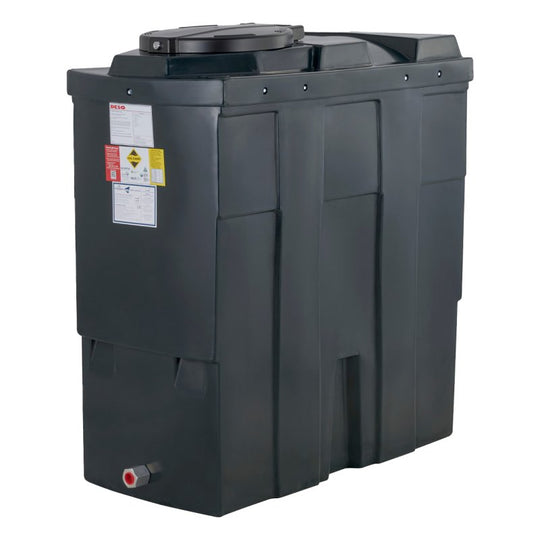
Deso 650 Litre Slimline Bunded Oil Tank
£1,295.00EX VAT · £1,554.00 INCView product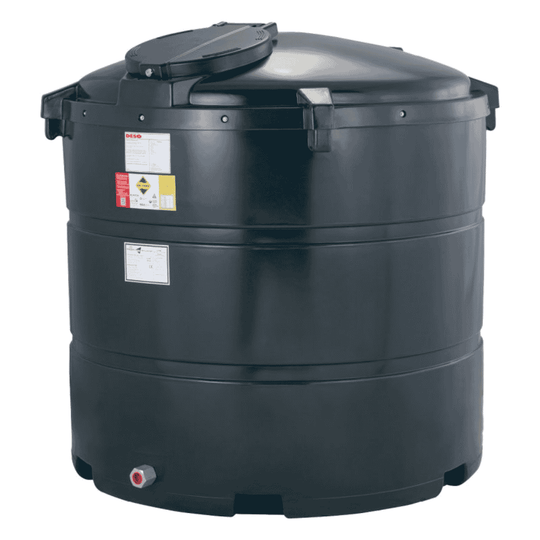
1340 Litre Bunded Oil Tank
£1,305.00EX VAT · £1,566.00 INCView product
1230 Litre Bunded Diesel Dispensing Tank - Deso V1230PDD
Sale price£1,339.00Regular price£1,389.00EX VAT · £1,606.80 INCView product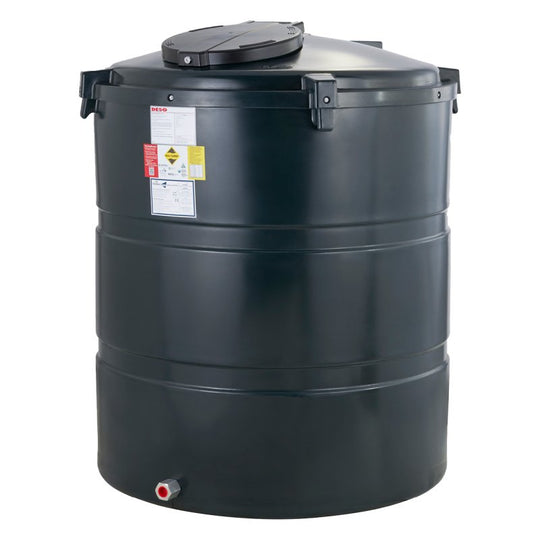
1230 Litre Bunded Oil Tank
£1,395.00EX VAT · £1,674.00 INCView product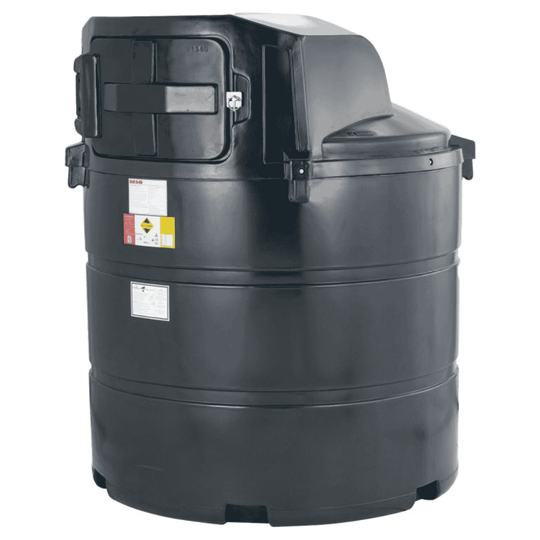
1340 Litre Bunded Diesel Dispensing Tank
£1,454.00EX VAT · £1,744.80 INCView product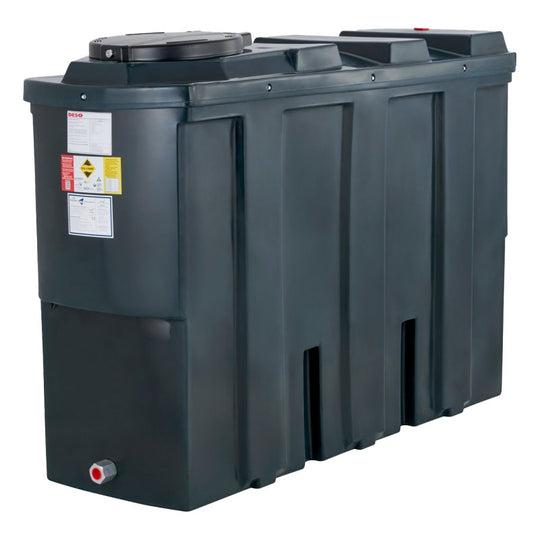
1000 Litre Slimline Bunded Oil Tank
£1,469.00EX VAT · £1,762.80 INCView product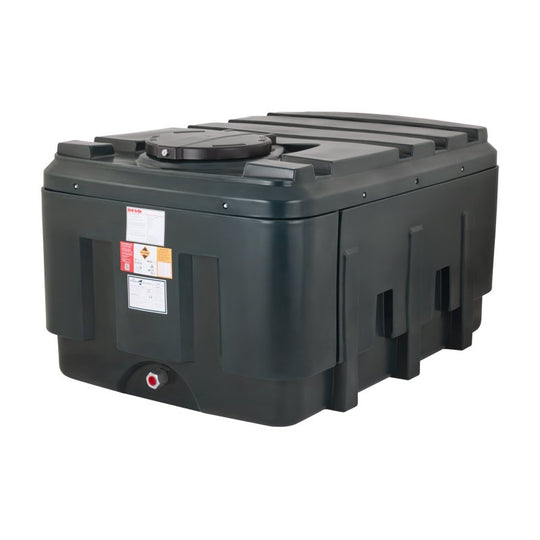
1200 Litre Low Profile Bunded Oil Tank
£1,479.00EX VAT · £1,774.80 INCView product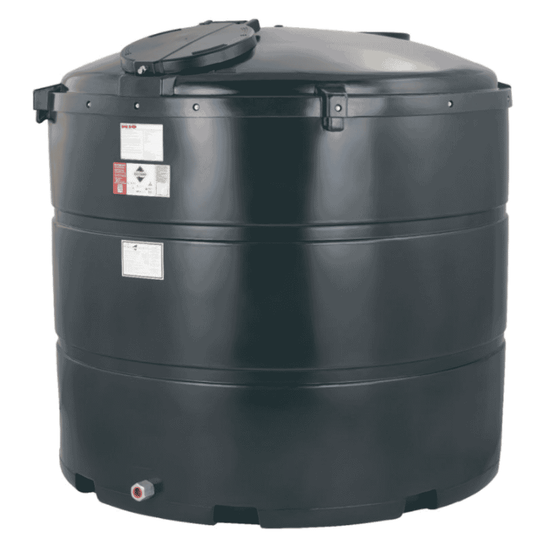
2350 Litre Bunded Oil Tank
£1,525.00EX VAT · £1,830.00 INCView product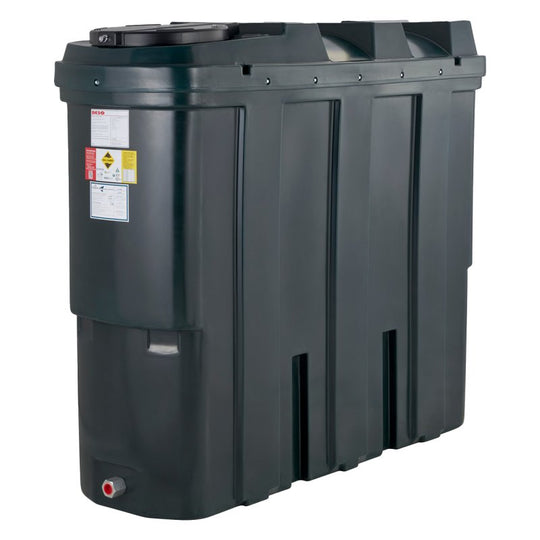
1235 Litre Slimline Bunded Oil Tank
£1,589.00EX VAT · £1,906.80 INCView product


Talk to a
specialist
Sizing, regulations, installation. Our team has been answering these questions for over 25 years.
Deso FAQs
What size Deso sewage treatment plant do I need?
Deso plants are sized by population equivalent (PE), based on the number of people the property regularly houses rather than the number of bedrooms. As a guide, a single household typically needs a 6PE unit, but you should always allow for maximum realistic occupancy rather than current numbers. If you're serving multiple properties or a commercial site, we can help you work out the correct PE rating from your daily flow figures.
Do I need permission to install a Deso treatment plant?
If the plant discharges to a watercourse or to ground via a soakaway/drainage field, you'll need to register it with the Environment Agency (or SEPA/NRW depending on region) under the general binding rules, provided it meets the criteria. Larger installations or those close to sensitive sites may require a full permit. Building regulations approval is also required for the installation itself, so check with your local building control before work starts.
Are Deso sewage treatment plants powered, and what happens in a power cut?
Yes, Deso plants use an electric blower to aerate the treatment chamber and drive the biological process, so a mains electrical supply is needed to the unit. In a short power cut the system will simply pause treatment and resume once power returns, with no need for intervention. For prolonged outages on properties with no other option, some customers fit a small generator or battery backup, though this isn't required by the plant itself.
How much maintenance does a Deso plant need?
Deso plants need an annual service by a competent engineer to check the blower, air diffusers and general operation, along with periodic desludging — typically once a year, though this depends on usage and PE rating. Between services, an occasional visual check that the blower is running and there's no unusual smell or surface scum is good practice. Neglecting servicing is the most common cause of poor effluent quality and blower failure.
Can a Deso plant be installed where there's a high water table?
Yes, but the tank needs to be correctly ballasted and installed with anti-flotation measures — typically a concrete base slab and anchor straps — to stop it lifting when the surrounding ground is waterlogged. Your groundwater conditions should be checked as part of the site survey before installation, and the installer will size the anchoring accordingly. Skipping this step is a common cause of tank flotation and cracked pipework after heavy rain.
What's the difference between the Deso models and how do I choose the right one?
Deso's range covers different PE capacities and configurations, including standard single-tank units and models designed for higher hydraulic loads or shallower installations where dig depth is restricted. The right choice depends on your population equivalent, site levels, invert depth from the property, and whether you need horizontal or vertical inlet/outlet configurations. If you're unsure, give us your site details — pipe depth, PE, and ground conditions — and we'll point you to the correct model.