Hotline
Hotline electric fencing.

Hotline 50m Plastic Fencing Mesh Roll
£22.00EX VAT · £26.40 INCView product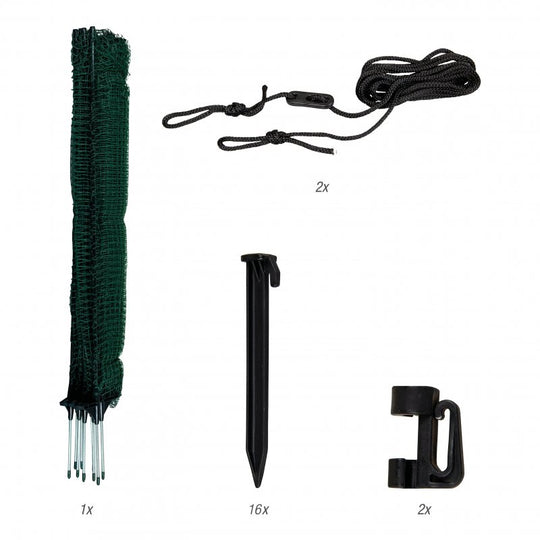
Hotline Temporary Fencing 20m
£42.15EX VAT · £50.58 INCView product
Hotline 12v sealed leisure battery - 35amp/hr
£124.00EX VAT · £148.80 INCView product
Hotline 12v Sealed Lead Oxide 36amp/hr Leisure Battery
£150.00EX VAT · £180.00 INCView product
Hotline Horse 200m Electric Fence Starter Kit
£169.00EX VAT · £202.80 INCView product
Hotline 12v sealed leisure battery - 75amp/hr
£194.00EX VAT · £232.80 INCView product
Hotline 2x Batteries and 4amp Charger Bundle
£244.00EX VAT · £292.80 INCView product
Hotline 25m Gated Poultry Netting Kit
£271.00EX VAT · £325.20 INCView product
Hotline Fire Drake 0.34J Energiser
£274.00EX VAT · £328.80 INCView product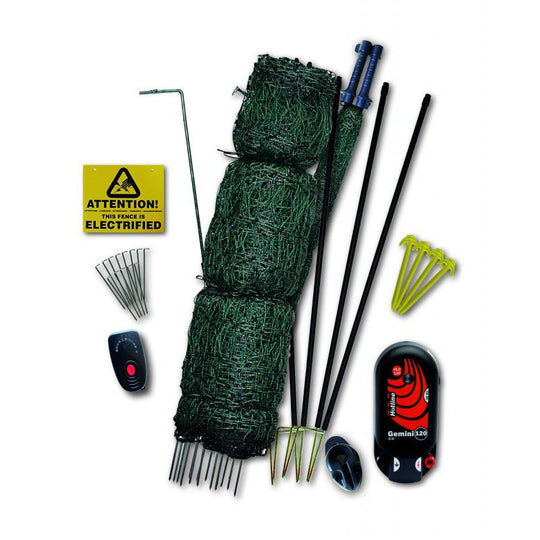
Hotline 50m Gated Poultry Netting Kit
£293.00EX VAT · £351.60 INCView product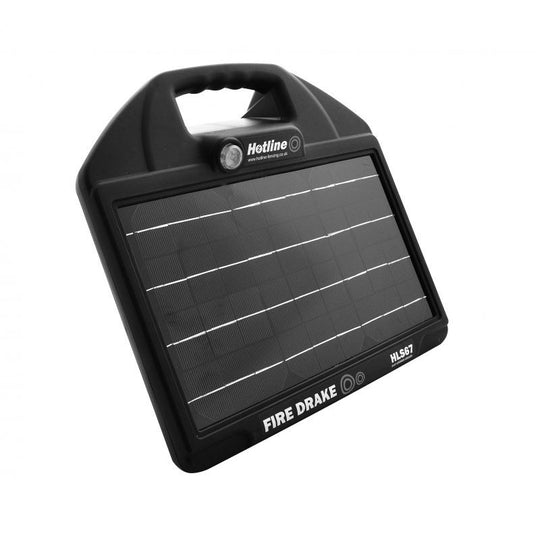
Hotline Fire Drake 0.67J Energiser
£315.00EX VAT · £378.00 INCView product
Hotline Fire Drake 2.0J Solar Energiser
£358.00EX VAT · £429.60 INCView product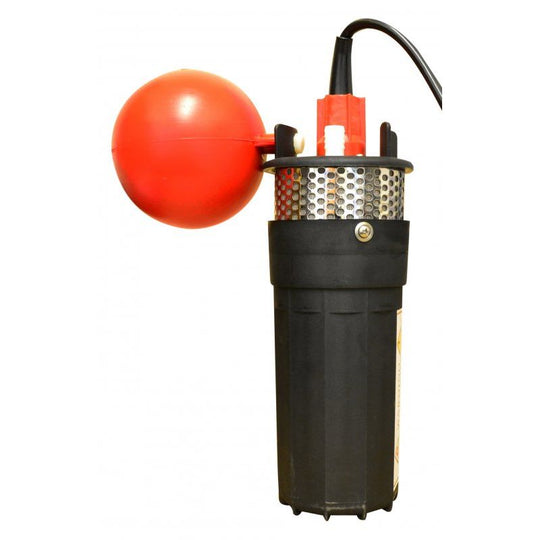
Hotline Off Grid Water Pump Kit - Solar/Battery Power
£583.00EX VAT · £699.60 INCView product


Talk to a
specialist
Sizing, regulations, installation. Our team has been answering these questions for over 25 years.
Hotline FAQs
What size septic tank do I need for my property?
Sizing is based on the number of people using the property, not just bedrooms. As a rule of thumb, a household of up to 4 people needs a minimum 2,700-litre tank, with roughly 180 litres added per additional person per day. Always check the manufacturer's sizing chart, as building control will want to see this matches occupancy on your application.
Do I need planning permission or building regs approval for a septic tank or treatment plant?
You generally don't need planning permission for a domestic septic tank or sewage treatment plant, but you do need Building Regulations approval (Part H) for the installation, and you must register the discharge with the Environment Agency if it isn't going into mains sewer. Discharges to a watercourse or ground need a permit or exemption depending on volume — check current Environment Agency general binding rules before you order.
What's the difference between GRP and polyethylene tanks?
GRP (fibreglass) tanks are rigid, very strong and well suited to larger capacities, deep burial or unusual shapes, but they're heavier and cost more to install. Polyethylene tanks are lighter, cheaper, and quick to handle on site, making them popular for standard septic and water storage applications. Ground conditions, depth of invert and access for delivery all influence which material makes more sense for your job.
Can a tank be installed above ground, or does it have to be buried?
Many water storage and rainwater harvesting tanks are designed for above-ground use, typically sited on a level concrete or slab base and often housed in a shed, plant room or bunded enclosure. Septic tanks and sewage treatment plants are almost always buried, since they rely on gravity flow from the property's drainage. Above-ground tanks are generally easier and cheaper to install but need frost protection in exposed locations.
What access do I need on site for delivery and installation?
Larger tanks are usually delivered on a flatbed or hiab-equipped lorry, so you'll need clear, firm access for a large vehicle and space to manoeuvre or crane the tank into position. For underground installations, the excavation should ideally be ready before delivery, as tanks are rarely left standing on site for long unsupported. Let us know about narrow lanes, low branches or soft ground in advance so we can flag any access issues before the day.
How do I know if I need a soakaway or a sewage treatment plant instead of a septic tank?
A septic tank only settles solids and still needs a properly designed drainage field (soakaway) or discharge point afterwards — it doesn't treat the effluent to a dischargeable standard on its own. If your site has poor percolation, a high water table, or you need to discharge to a ditch or watercourse, a sewage treatment plant is usually required, as it produces a cleaner effluent. A percolation test carried out by a groundworker will normally settle which option your ground actually supports.