Separators,Silt Traps, Washdown Separators
Interception, all in one place.

Separators, Silt Traps, Washdown Separators Sub-Categories

Vehicle Wash Separator for Single Jet or Hand Wash
£628.00EX VAT · £753.60 INCView product
2 Stage Vehicle Wash Separator for Commercial Car Wash
£897.00EX VAT · £1,076.40 INCView product
2 Stage Vehicle Wash Separator for Single Jet or Hand Wash
£909.00EX VAT · £1,090.80 INCView product
Klargester Full Retention Separator - NSFP003 - 170M² drainage area
£988.00EX VAT · £1,185.60 INCView product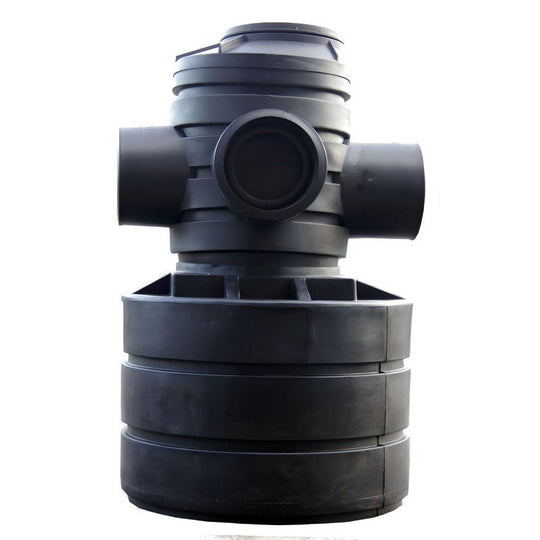
Geoceptor Bypass Separator - NSB 3.5 1944 sqm
£1,005.00EX VAT · £1,206.00 INCView product
Klargester Bypass Separator - NSBP003 - 1670M² Drainage Area
£1,014.00EX VAT · £1,216.80 INCView product
Geoceptor Bypass Separator - NSB 4.5 2500 sqm
£1,025.00EX VAT · £1,230.00 INCView product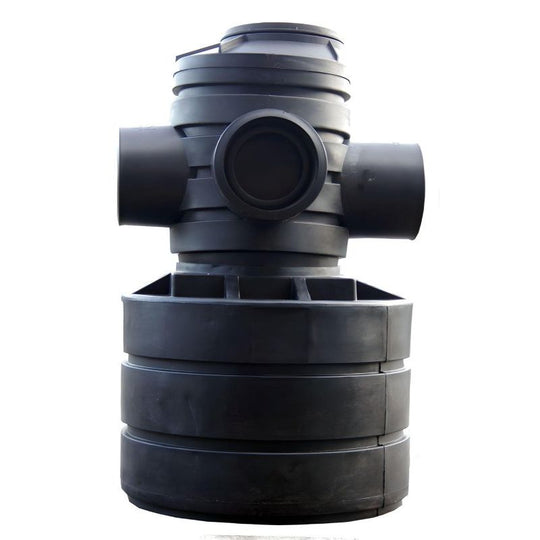
Geoceptor Bypass Separator - NSB 6 3333 sqm
£1,050.00EX VAT · £1,260.00 INCView product
Klargester Bypass Separator - NSBP004 - 2500M² Drainage Area
£1,100.00EX VAT · £1,320.00 INCView product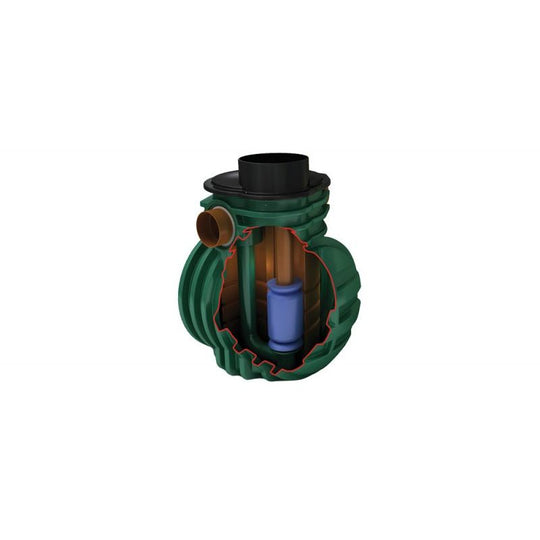
Klargester Full Retention Separator - NSFP006 - 335M² drainage area
£1,171.00EX VAT · £1,405.20 INCView product
Klargester Bypass Separator - NSBP006 - 3335M² Drainage Area
£1,201.00EX VAT · £1,441.20 INCView product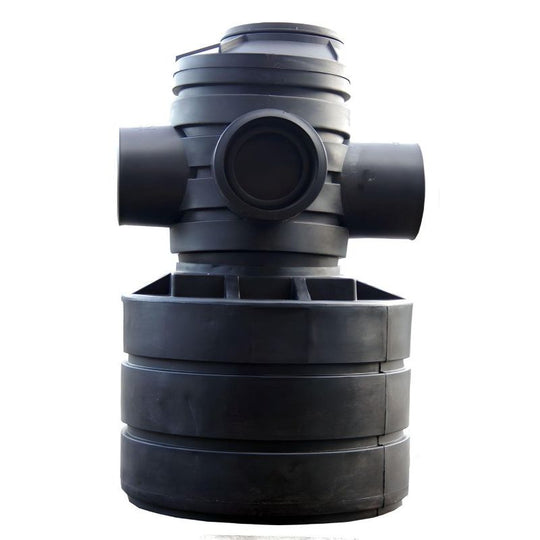
Geoceptor Bypass Separator - NSB 8 4444 sqm
£1,230.00EX VAT · £1,476.00 INCView product
3 Stage Vehicle Wash Separator for Commercial Car Wash
£1,300.00EX VAT · £1,560.00 INCView product
Klargester Washdown Separator - 1000 litre
£1,313.00EX VAT · £1,575.60 INCView product


Talk to a
specialist
Sizing, regulations, installation. Our team has been answering these questions for over 25 years.
We provide comprehensive water treatment systems that keep your industrial and commercial operations efficient and compliant with environmental regulations. Our extensive range includes forecourt separators specifically designed to capture hydrocarbon pollutants at petrol stations and full retention separators that deliver comprehensive water treatment across the most demanding industrial applications. Our vehicle washdown separators prove particularly invaluable for sites managing heavy machinery, transport fleets, or industrial cleaning processes, efficiently removing oils, sediments, and contaminants from washdown water before it enters drainage systems. For intelligent water management technology, our bypass separators handle varying flow rates and environmental conditions whilst working quietly and effectively to minimise maintenance requirements. Our silt traps prevent harmful sediment build-up in drainage systems. Each engineered system meets demanding regulatory requirements whilst reducing long-term operational costs, extending equipment lifecycles, and protecting both your infrastructure and the surrounding environment from contamination.
Separators, Silt Traps, Washdown Separators FAQs
What's the difference between a full retention and a bypass separator?
A full retention separator treats the entire flow of water passing through it, so it's used where the whole surface water run-off could be contaminated, such as forecourts. A bypass separator only treats the "first flush" of run-off, diverting the more heavily contaminated initial flow through the separator whilst higher volumes from heavy rain bypass treatment, which suits car parks and lower-risk sites.
Do I need a forecourt separator or a standard oil separator?
Forecourt separators are specifically designed and rated to handle the higher hydrocarbon loads and fuel spill risk found at petrol stations and fuel storage sites, and are typically specified as full retention units. A standard separator may be adequate for car parks or general vehicle areas with lower contamination risk. Local authority and Environment Agency guidance, plus your site's discharge consent, will confirm which class you need.
How do I size a washdown separator for my site?
Sizing depends on the peak flow rate from your washdown activity (litres per second), the drainage area, and the level of contamination expected — heavy vehicle or industrial washdown needs a larger unit than light cleaning duties. You'll also need to factor in silt storage capacity if sediment loading is high. We can help you work through these figures against the relevant British Standard (BS EN 858) before you order.
What maintenance do separators and silt traps need?
Silt traps and separators need regular inspection and periodic emptying by a licensed waste carrier to remove accumulated oil, silt and debris — how often depends on usage, but quarterly to annual checks are typical. Skipping maintenance reduces treatment efficiency and can lead to discharge non-compliance. Most systems have an access chamber or manhole to make desludging straightforward.
Can a silt trap be installed on its own, or does it need a separator too?
A silt trap alone only removes sediment — it won't treat oils or hydrocarbons, so if your site has any risk of fuel, oil or chemical contamination you'll need a separator downstream as well. Silt traps are often fitted upstream of a separator to protect it from silt build-up, extending its service life and reducing how often it needs emptying. Sites with clean surface water run-off, such as some car parks, may only need a silt trap.
What's involved in installing a separator or silt trap below ground?
These units are typically installed below ground with suitable backfill (usually pea shingle or as specified by the manufacturer) to manage groundwater and loading conditions, and access covers left at grade for inspection and emptying. Ground conditions, water table and traffic loading (e.g. pedestrian versus vehicle areas) all affect the installation method and cover class required. We'd always recommend using a competent groundworks contractor and checking the manufacturer's installation guide before digging.