FuelStorage
Bunded and single-skin fuel tanks.
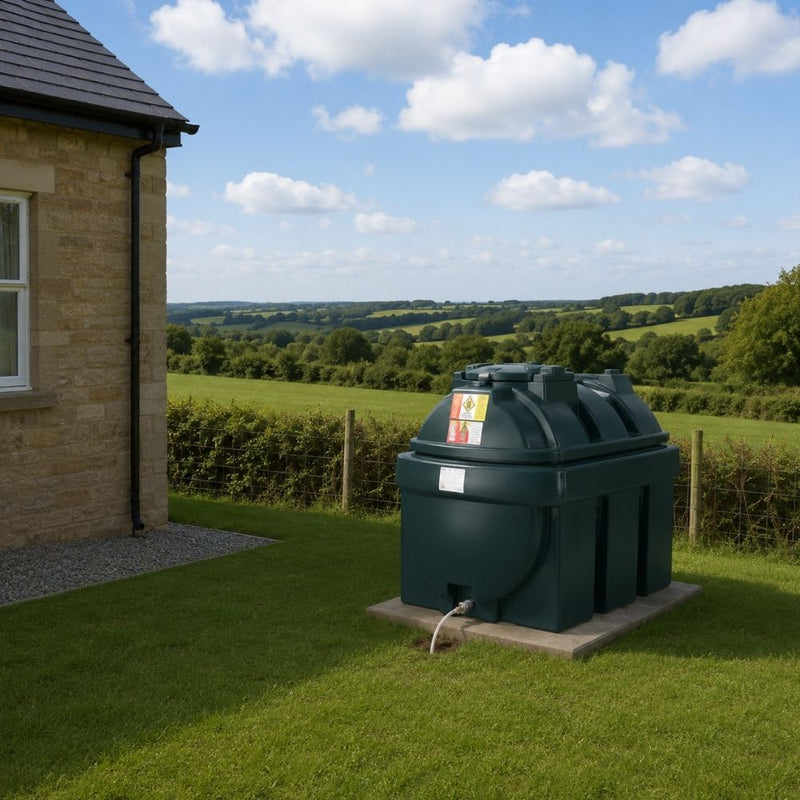
Fuel Storage Sub-Categories


Talk to a
specialist
Sizing, regulations, installation. Our team has been answering these questions for over 25 years.
Fuel storage products are essential for safely and efficiently storing fuels such as diesel, oil, and other combustible products.
We have an extensive range designed to meet stringent safety standards, these storage solutions reduce the risk of spills, leaks, and contamination, ensuring the safe handling and storage of your fuels. Our fuel storage and dispensing products feature robust construction with heavy-duty materials and are available in various sizes and configurations we also offer portable containers, and fuel transfer systems, catering to different storage needs and applications.
We also have a range od of Adblue related storage and dispensing solutions, as well as your standard solid fuel storage.
Fuel Storage FAQs
Do I need a bunded fuel tank, or is single-skin enough?
For most oil and diesel storage above 200 litres domestically (or 200 litres commercially in some cases), UK regulations require bunding — an integral or separate secondary containment capable of holding 110% of the tank's capacity. Bunded tanks are also strongly recommended near watercourses, drains or on sites where a leak would cause environmental harm. If in doubt, fit a bunded tank; it's rarely wasted spend and often mandatory under the Oil Storage Regulations or Environment Agency guidance.
What size heating oil tank do I need for my home?
As a rough guide, an average three-to-four bedroom house gets through 1,500–2,500 litres of heating oil a year, so a 1,200–1,500 litre tank is typical, allowing for one or two deliveries annually. Larger properties or those with oil-fired hot water as well as heating may need 2,500 litres or more. It's worth sizing up slightly if access for delivery is difficult, so you're not caught out between fill-ups.
Can I store diesel and AdBlue in the same tank or area?
No — AdBlue must never be stored in a tank that has held diesel or vice versa, as even trace contamination will damage SCR systems and void vehicle warranties. AdBlue tanks and dispensing kit use different seal and fitting materials (typically polyethylene rather than steel) to avoid contamination and corrosion. Keep the two in clearly separated, clearly labelled tanks, even if they're sited in the same bunded area.
What rules apply to storing diesel on a farm or construction site?
Commercial and agricultural diesel storage over 200 litres generally falls under the Control of Pollution (Oil Storage) Regulations, requiring bunded tanks, secure siting away from drains and watercourses, and lockable fill points to guard against theft. Mobile bowsers used on site should still be bunded and sited on stable, level ground. Check with your local authority or the Environment Agency if you're near a sensitive site, as additional conditions can apply.
What's the difference between steel and polyethylene fuel tanks?
Steel tanks are robust, resistant to UV and impact, and are often specified for larger commercial diesel or fuel oil installations, but they're heavier and can corrode over time if not treated. Polyethylene (plastic) tanks are lighter, immune to rust, and generally cheaper for domestic oil storage, though they need UV-stabilised construction if sited outdoors long-term. Both are available bunded; choice usually comes down to volume, budget and site access for installation.
How should a solid fuel (coal or log) storage bunker be sited?
Site solid fuel bunkers on firm, level, well-drained ground, ideally with a hard standing base to stop damp rising into the fuel. Position them close enough to the house or boiler for convenient loading, but with enough clearance for lids to open fully and for ventilation to prevent mould in stored logs. Keep bunkers away from combustible structures and check they're not blocking required fire escape routes if sited near a building.