FPZBlowers
Industrial side-channel blowers.


Talk to a
specialist
Sizing, regulations, installation. Our team has been answering these questions for over 25 years.
FPZ Blowers FAQs
What are FPZ blowers used for?
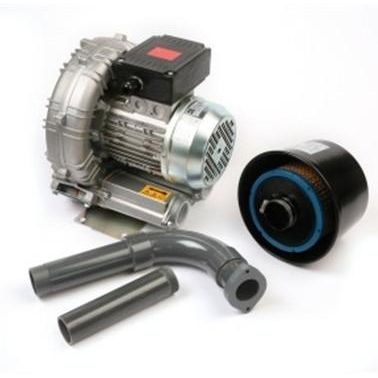
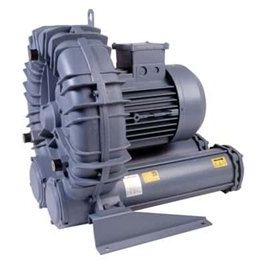
FPZ regenerative blowers supply the continuous air feed needed for the aerobic treatment stage in most packaged sewage treatment plants. They push air through diffusers to keep bacteria oxygenated, which is what breaks down effluent before discharge. They're also used in some pump station and biofiltration applications.
How do I know which FPZ blower model fits my treatment plant?
Blower selection depends on the airflow and pressure your specific treatment plant manufacturer specifies — this varies by population size and system design, not just tank volume. Check the plant's technical manual or data plate for the original blower spec, and match the airflow (m³/h) and pressure (mbar) rating rather than just the physical size. If you're replacing a failed unit, matching the existing model number is the safest route.
Can I run an FPZ blower on a standard domestic electricity supply?
Most FPZ blowers used on domestic sewage treatment plants are single-phase and run happily off a standard 230V supply, but always check the specific model's electrical rating before installing. Larger commercial units may require a three-phase supply. All blowers should be wired via a fused, weatherproof isolator by a competent electrician.
Where should the blower be installed, and does it need weatherproofing?
FPZ blowers are typically housed in the control kiosk or a dedicated cover supplied with the treatment plant, positioned close to the tank to minimise pipe run losses. They must be kept dry and ventilated, as the units generate heat in operation and draw in ambient air through an intake filter. If there's no housing, a proper external cabinet rated for outdoor use is essential — don't leave one exposed to direct rain.
How often do FPZ blowers need servicing?
The intake air filter should be checked and cleaned or replaced every few months, more often in dusty or exposed locations, as a blocked filter is the most common cause of reduced airflow and plant performance. Beyond that, FPZ blowers are largely maintenance-free, though it's worth listening for changes in noise or vibration, which can indicate bearing wear. Most sewage treatment plant service contracts include a blower check as standard.
My blower has stopped working — do I need to replace the whole unit?
In most cases, yes — FPZ regenerative blowers are sealed units and not designed to be repaired on-site, so a failed motor or bearing means fitting a replacement. Before assuming it's dead, check the fuse, isolator and intake filter first, as a blocked filter can cause overheating and trip the unit. When ordering a replacement, match the airflow, pressure and voltage rating of the original rather than just the physical footprint.