SiteSafety
Protect people on site.

Site Safety Sub-Categories

Leak Diverter Kit
£106.92EX VAT · £128.30 INCView product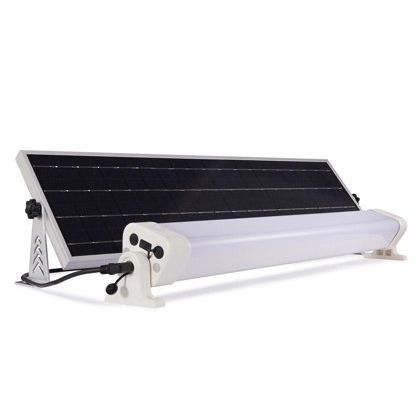
JFC Apollo - Solar Powered Batten Light
£107.00EX VAT · £128.40 INCView product
Rock Salt - 25Kg Large Bags
£142.00EX VAT · £170.40 INCView product
White De-Icing Salt - Large 25KG Packs
£151.00EX VAT · £181.20 INCView product
400 Litre Grit Bin
£207.48EX VAT · £248.98 INCView product
Floodstop Flood Barrier - 0.65m
£312.12EX VAT · £374.54 INCView product
Armorgard Gorilla Gas Cages
£469.00EX VAT · £562.80 INCView product
Forklift Mounted Sweeper
£584.85EX VAT · £701.82 INCView product
35 Litre Grit Spreader
£592.20EX VAT · £710.64 INCView product
Combination Shower with ABS Plastic Shower Head and Basin
£810.00EX VAT · £972.00 INCView product
Self Drain Combination Shower with Basin
£1,025.00EX VAT · £1,230.00 INCView product
Forklift Wheeled Bin Handler
£1,211.70EX VAT · £1,454.04 INCView product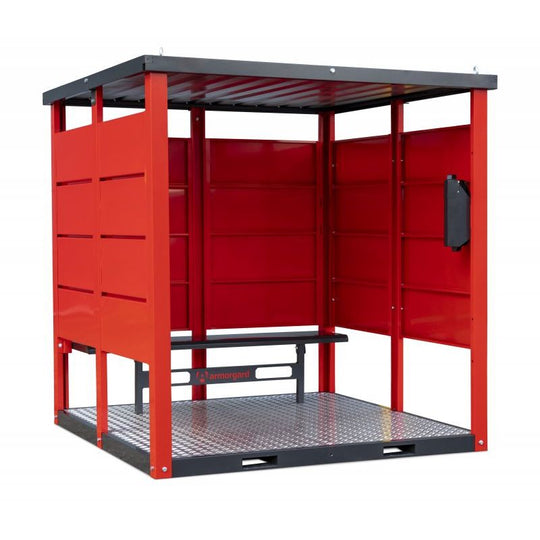
Armorgard Forma Shelta
£2,900.00EX VAT · £3,480.00 INCView product
Forklift Wheelie Bin Handler with hand chain
£3,950.10EX VAT · £4,740.12 INCView product


Talk to a
specialist
Sizing, regulations, installation. Our team has been answering these questions for over 25 years.
Site Safety FAQs
Is it safe to enter a septic tank or sewage treatment plant for inspection or maintenance?
No — these are classed as confined spaces and can contain lethal concentrations of hydrogen sulphide, methane and low oxygen levels, even after emptying. Entry should only be carried out by trained operatives with gas detection equipment, breathing apparatus and a permit-to-work system in place. For routine inspection, use the designated inspection ports rather than opening the main access chamber.
What load rating do I need for a tank access cover or manhole cover?
This depends on where the cover sits: A15 (1.5 tonne) is typically fine for pedestrian-only areas like gardens, B125 (12.5 tonne) suits driveways with car traffic, and D400 (40 tonne) is required for roads or areas accessed by heavy vehicles such as tankers. Fitting an under-rated cover is a genuine safety hazard and can lead to collapse, so always specify load rating based on actual site traffic, not just tank position.
What are the main risks during excavation and installation of an underground tank?
Trench collapse is the biggest risk, particularly in loose or waterlogged ground, so excavations should be properly supported or battered back in line with HSE guidance. Groundwater ingress can also cause tank flotation before backfilling is complete, which is why pea-shingle backfill and correct anchoring (or ballast, for some GRP models) matter. Always keep the excavation fenced or covered when unattended, and follow the manufacturer's installation instructions exactly — incorrect backfill is the most common cause of tank deformation or collapse.
Do I need to fence off or cover a tank installation while work is ongoing?
Yes — an open excavation or an installed tank without its access cover fitted is a serious fall and entrapment hazard, especially where children, pets or the public could have access. Use secure edge protection, temporary fencing or full boarding over the opening whenever the site is left unattended. Once the tank is in and backfilled, lockable, load-rated access covers should go on immediately rather than being left until final commissioning.
What's the safest way to get into a large tank for cleaning or inspection?
Larger GRP and polyethylene tanks are usually fitted with integral ladder rungs or can have a fixed access ladder specified at order stage — check this before purchase if regular internal access will be needed. Never improvise with a freestanding ladder inside a tank, as the base can slip on wet or sludge-coated surfaces. Full internal entry should still follow confined space procedures, with ventilation running and a second person present at all times.
What should I check when a large tank is delivered to reduce handling risk on site?
Confirm access routes are clear and firm enough for the delivery vehicle, and that there's adequate space to manoeuvre and lower the tank without it swinging into people or structures — most large GRP and polyethylene tanks need mechanical lifting, not manual handling. Check lifting points are used correctly, as tanks can crack or distort if lifted from the wrong points or with unrated straps. Keep non-essential personnel clear of the lifting zone throughout, and have the final position and supports ready before the tank arrives so it isn't left standing insecurely.