Showjumping
Jumps and course equipment.


Pro-Jump Cup
£15.51EX VAT · £18.61 INCView product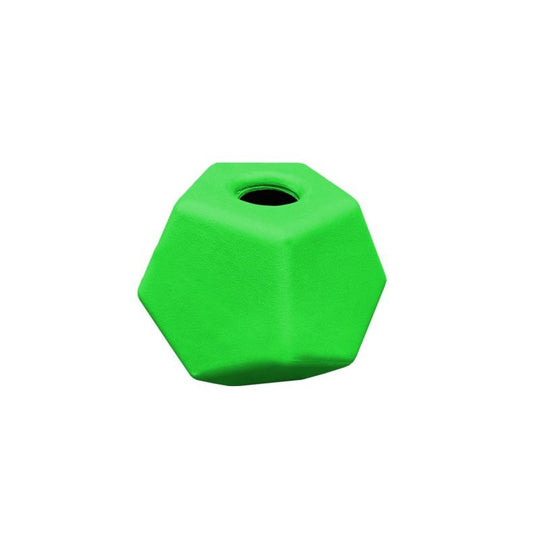
Small Horse Treat Toy
£45.00EX VAT · £54.00 INCView product
Horse Treat Toy
£29.00EX VAT · £34.80 INCView product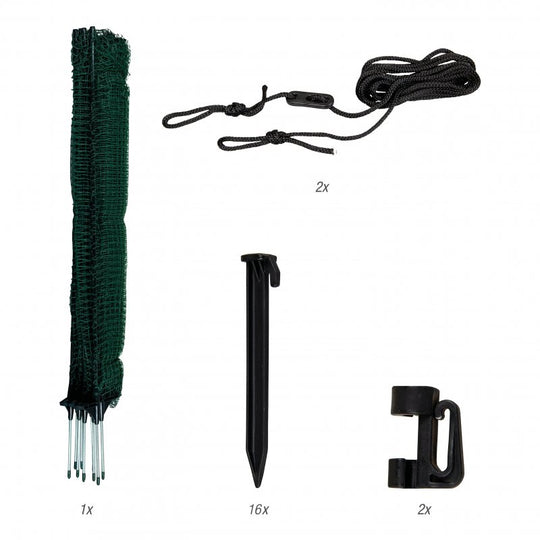
Hotline Temporary Fencing 20m
£42.15EX VAT · £50.58 INCView product
1 Step Mounting Block
£44.00EX VAT · £52.80 INCView product
Showjumping Pole - Single Colour
£45.00EX VAT · £54.00 INCView product
Single Showjumping Pole - 3 Colour Bands
£45.00EX VAT · £54.00 INCView product
Saddle Carrier
£45.00EX VAT · £54.00 INCView product
2 Step Mounting Block
£52.00EX VAT · £62.40 INCView product
3 Step Mounting Block
£86.00EX VAT · £103.20 INCView product
Pro-Jump Mini
£91.00EX VAT · £109.20 INCView product
Pro-Jump Pole Tidy Base
£109.00EX VAT · £130.80 INCView product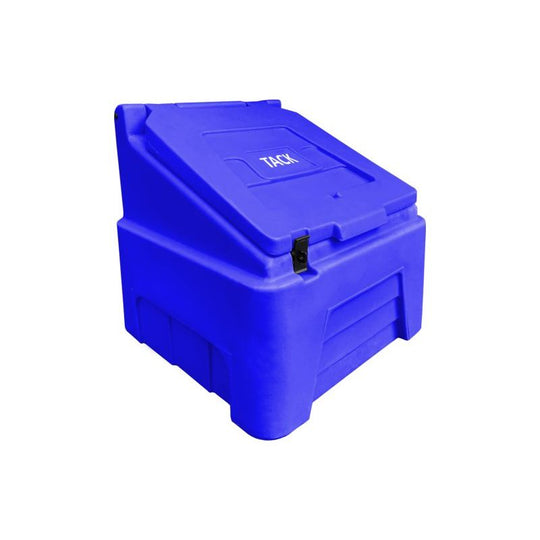
200L Tack Storage Box
£177.00EX VAT · £212.40 INCView product
JFC Tack Box
£190.00EX VAT · £228.00 INCView product
4 Step Premium Mounting Block
£381.00EX VAT · £457.20 INCView product
400L Tack Storage Box
£239.00EX VAT · £286.80 INCView product


Talk to a
specialist
Sizing, regulations, installation. Our team has been answering these questions for over 25 years.
Welcome to our range of showjumping products designed to elevate your performance and style in the arena. Whether you're a seasoned competitor or just starting your showjumping journey, we have a wide range that offers everything you need to excel. Every item is crafted with precision and care to ensure you and your horse perform at your best.
Explore our collection of jumping poles and blocks, designed to help you create the perfect course for training and competition. With a range of colors and sizes, our jumping poles are built to withstand rigorous use while adding a splash of colour to your arena. We offer a variety of tack storage solutions to keep your equipment organized and easily accessible. Our durable and stylish storage options ensure your tack remains in top condition, ready for your next ride.
Showjumping FAQs
What length and diameter of jumping pole do I need?
Most competition and training poles are 3.66m (12ft) long, which matches standard arena and course-builder specifications. Diameter typically ranges from 60mm to 100mm — thicker poles are heavier and more stable in windy conditions but cost more to ship and store. For young or nervous horses, a slightly thicker pole can be more visible and less likely to roll on contact.
Are your jumping poles suitable for outdoor use in British weather?
Yes — our poles are made from timber or durable plastics designed to withstand rain, frost and UV exposure without warping or fading. Painted finishes use weather-resistant coatings, though we'd still recommend storing poles off the ground on blocks or a rack when not in use to prolong their life. This also stops them sitting in wet grass, which can encourage rot in timber poles over time.
What's the difference between jump blocks and traditional wings?
Jump blocks are freestanding, stackable units that sit directly on the ground and support poles at varying heights without needing separate wing stands. They're quicker to build and reconfigure a course with, take up less storage space, and are popular for both grids and full courses. Traditional wings offer a more classic look and can support fillers and decorative panels, but need more storage room and take longer to set up.
Can jumping poles and blocks be left outside all year round?
They can, but exposure to prolonged wet weather and UV will shorten their lifespan and dull colours faster than if stored under cover. If you don't have an arena store, stacking blocks and poles off the ground under a tarpaulin or in a field shelter is a practical compromise. Plastic blocks generally cope with permanent outdoor storage better than painted timber poles.
How much space do I need to store a full set of showjumping equipment?
A typical course of eight to ten fences, plus poles and blocks, needs a decent-sized barn bay or dedicated storage container — allow space to stack poles horizontally on racking rather than leaning them, which reduces warping. Tack storage units are best kept separate and in a dry, ventilated area to prevent leather and rugs from picking up damp or mildew. If you're tight on space, modular block systems that stack compactly are worth considering over full wing sets.
What should I look for in a tack storage solution for a busy yard?
Look for solid construction, secure lockable doors if kept outside, and enough saddle and bridle racks to avoid overcrowding, which can damage leather. Ventilation matters as much as security — a sealed unit without airflow can trap moisture and lead to mould on rugs and tack. For multi-horse yards, modular or multi-bay units let you expand storage as your string grows rather than replacing the whole unit.