BulkStorage Chemical Tanks
High-volume chemical storage.

Bulk Storage Chemical Tanks Sub-Categories
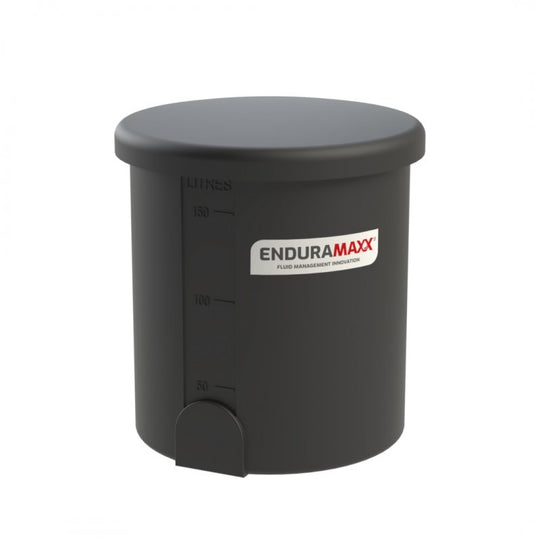
Enduramaxx 150L Batch Mixing Tank
POAPrice on applicationView product
Enduramaxx 250L Batch Mixing Tank
POAPrice on applicationView product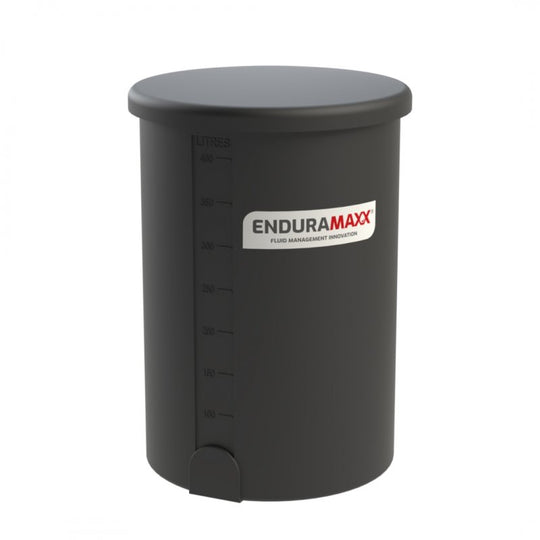
Enduramaxx 400L Batch Mixing Tank
POAPrice on applicationView product
Enduramaxx 400L Batch Mixing Tall Tank
£162.00EX VAT · £194.40 INCView product
Enduramaxx 650L Batch Mixing Tank
£246.00EX VAT · £295.20 INCView product
Enduramaxx 500L Batch Mixing Tank
£246.00EX VAT · £295.20 INCView product
30m3 Camplas GRP Chemical Bulk Storage Tanks
£9,645.00EX VAT · £11,574.00 INCView product
40m3 Camplas GRP Chemical Bulk Storage Tanks
£12,355.00EX VAT · £14,826.00 INCView product
50m3 Camplas GRP Chemical Bulk Storage Tanks
£13,545.00EX VAT · £16,254.00 INCView product


Talk to a
specialist
Sizing, regulations, installation. Our team has been answering these questions for over 25 years.
Storing large volumes of chemicals safely is a serious responsibility. That's why we offer secure, reliable storage that meets the demanding requirements of chemical handling. Our range starts small with 25 to 100 litre tanks perfect for smaller operations, moves through 101 to 500 litre options for medium-scale needs, and extends right up to our impressive 501 to 15,000+ litre bunded storage tanks for serious industrial applications. The bunded models are particularly clever €“ they provide that essential secondary containment that gives you peace of mind and keeps you compliant with environmental regulations. These tanks work brilliantly alongside our chemical pumps for efficient transfer operations, and many customers pair them with dosing tanks to create complete chemical handling systems.
Bulk Storage Chemical Tanks FAQs
Do I need a bunded tank for chemical storage?
In most cases, yes. Environment Agency guidance and the Control of Pollution (Oil Storage) Regulations set the general principle that any tank storing hazardous liquids needs secondary containment capable of holding at least 110% of the tank's capacity. A bunded tank has this built in as an integral outer skin, which is far simpler than building a separate bund and is usually the compliant, practical choice for anything beyond very small quantities.
What materials are chemical storage tanks made from, and does it matter which chemical I'm storing?
Yes, material choice is critical. Most bulk chemical tanks are polyethylene (MDPE or HDPE) or GRP fibreglass, but chemical compatibility varies enormously between products such as acids, alkalis, and oxidisers. Always check the manufacturer's chemical resistance chart against the specific concentration and temperature of what you're storing before ordering, as the wrong grade of plastic can degrade or fail.
How do I work out what size tank I need?
Think about both your usage rate and your delivery frequency, not just total volume. Smaller 25 to 100 litre tanks suit low-volume dosing or occasional top-ups, 101 to 500 litre tanks work well for regular small-scale trade use, and anything above 501 litres up to 15,000+ litres is aimed at industrial processes with continuous demand. It's usually more economical to size for your delivery schedule so you're not paying for excessive tanker call-outs or running short mid-process.
Can these tanks be sited outdoors, and do they need any additional protection?
Many bulk chemical tanks are UV-stabilised and suitable for permanent outdoor installation, but you should still check the specification for your particular tank and chemical. Bunded models offer good protection against spillage, but you may also need to consider rainwater ingress into the bund, lockable valve covers, and secure fencing or access control depending on what's stored. For volatile or particularly hazardous substances, a covered or bunded enclosure is often the safer option.
What fittings or accessories do I need alongside the tank itself?
Most installations need a suitable chemical transfer pump matched to the fluid's viscosity and corrosiveness, along with appropriate valves, level indicators and containment for any pipework connections. Many customers also pair their bulk storage tank with a smaller dosing tank, which allows accurate, controlled release into a process without repeatedly handling the main bulk volume. It's worth planning the whole system, tank, pump and dosing point, before ordering rather than adding pieces on afterwards.
What should I expect in terms of delivery for larger bulk tanks?
Larger tanks, particularly those from around 1,000 litres upwards, are bulky and heavy, so kerbside delivery on a palletised or crane-offload vehicle is standard, and you'll need suitable access and manpower or machinery to move the tank into its final position. It's worth confirming ground conditions and access widths before ordering, and checking whether the delivery vehicle can get close enough to your installation site, as repositioning a full-size bunded tank afterwards is not straightforward.