OaklandsEnvironmental
Oaklands Environmental range.

227 Litre Underground Water Tank
£199.00EX VAT · £238.80 INCView product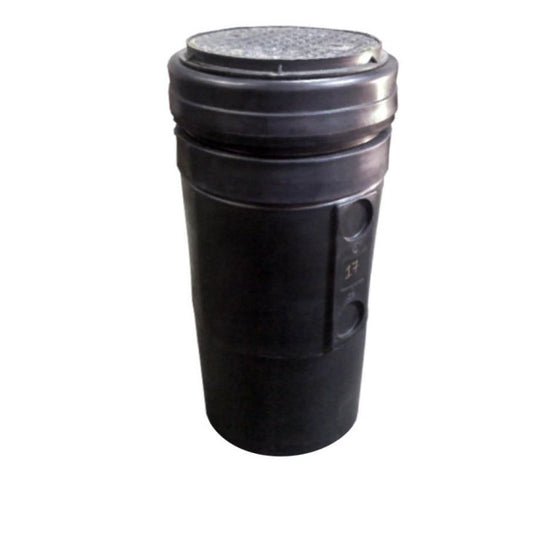
350 Litre Underground Water Tank
£209.00EX VAT · £250.80 INCView product
ECO800 LTR Water Holding Tank with Lid
£245.00EX VAT · £294.00 INCView product
ECO1200 LTR Water Holding Tank with Lid
£269.00EX VAT · £322.80 INCView product
1000 Litre Underground Water Tank
£329.00EX VAT · £394.80 INCView product
Grease Trap, Jumbo Micro
£329.00EX VAT · £394.80 INCView product
ECO1600 LTR Water Holding Tank with Lid
£385.00EX VAT · £462.00 INCView product
ECO2100 LTR Water Holding Tank with Lid
£405.00EX VAT · £486.00 INCView product
1500 Litre Underground Water Tank
£426.00EX VAT · £511.20 INCView product
1850 Litre Underground Tank
£427.00EX VAT · £512.40 INCView product
Grease Trap, Jumbo Midi
£432.00EX VAT · £518.40 INCView product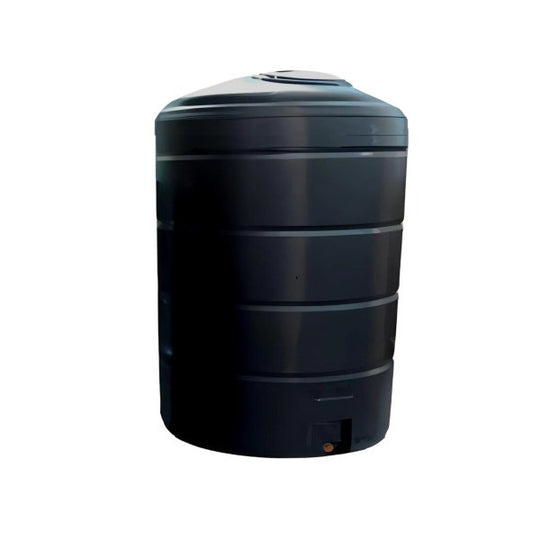
ECO2500 LTR Water Holding Tank with Lid
£460.00EX VAT · £552.00 INCView product
4500 Litre Open Water Tank
£465.00EX VAT · £558.00 INCView product
2000 Litre Underground Water Tank
£507.00EX VAT · £608.40 INCView product
2150 Litre Underground Water Tank
£513.00EX VAT · £615.60 INCView product
Vehicle Wash Separator for Single Jet or Hand Wash
£628.00EX VAT · £753.60 INCView product


Talk to a
specialist
Sizing, regulations, installation. Our team has been answering these questions for over 25 years.
Oaklands Environmental FAQs
What's the difference between a septic tank and a sewage treatment plant?
A septic tank simply settles solids and discharges partially-treated effluent to a drainage field, relying on the ground for final treatment. A sewage treatment plant (like Oaklands Environmental's range) actively aerates and treats the effluent, producing a much cleaner discharge that can in some cases go to a watercourse rather than a soakaway. If your site has poor percolation or you're near a watercourse, a treatment plant is usually the better fit.
Do I need a permit to install or replace a sewage treatment plant?
If you're discharging to a watercourse you'll generally need to register or apply for a permit with the Environment Agency (NRW in Wales), whereas discharge to a drainage field is usually exempt provided you meet the General Binding Rules. Replacing a system on the same footprint with equivalent discharge often falls under permitted development, but it's worth checking with your local authority and the EA before installation. We can advise on which Oaklands Environmental models suit permitted or non-permitted routes.
How do I size a sewage treatment plant for my property?
Sizing is based on population equivalent (PE), essentially the number of bedrooms or expected daily users rather than just occupants, since building regs and manufacturers size on peak occupancy. As a rule of thumb, a 4-bedroom house is typically rated for 6 PE to allow for guests and future use. Undersizing leads to poor treatment performance and more frequent desludging, so it's worth erring generously if in doubt.
How often does a sewage treatment plant need emptying or servicing?
Most domestic plants need desludging roughly once a year, though this varies with occupancy and tank size, and your installer or the manufacturer's handbook will confirm the interval for your model. Annual servicing by a competent engineer is also required to keep the plant compliant with its permit and manufacturer warranty, covering the air blower, diffusers and mechanical parts. Skipping servicing is the most common cause of plants failing to treat effluent properly.
Can a sewage treatment plant be installed where groundwater is high?
Yes, but the tank needs to be correctly rated for its groundwater condition and properly anchored, as high water tables can cause an empty or lightly-loaded tank to float out of the ground. Oaklands Environmental plants are supplied with guidance on concrete anti-flotation collars or ballast where needed, and your installer should check the water table on site before excavation. Skipping this step is one of the most common causes of tank failure in wet ground.
What access and delivery considerations should I plan for with a treatment plant installation?
These tanks are large and, though lighter than concrete equivalents, still need mechanical offloading, so confirm access for a crane-offload or HIAB lorry along your access route and near the installation point. You'll also need suitable excavation and a clear run for ducting to the property and to the final discharge point. Let us know your site access and ground conditions when ordering so we can flag any delivery constraints in advance.