NonPotable Water Tanks
Storage for irrigation and washdown.
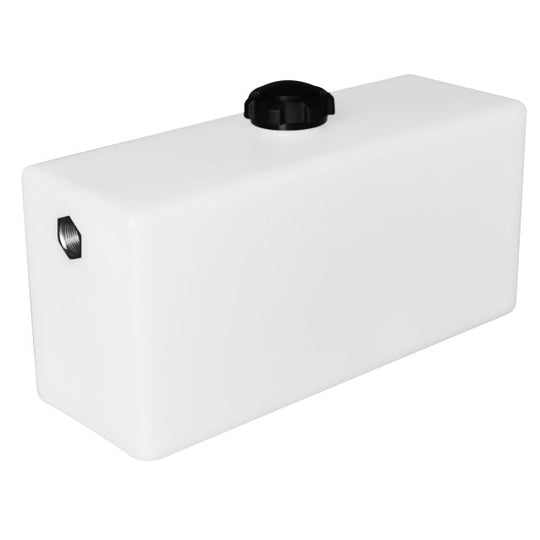
12 Litre Water Tank
£32.00EX VAT · £38.40 INCView product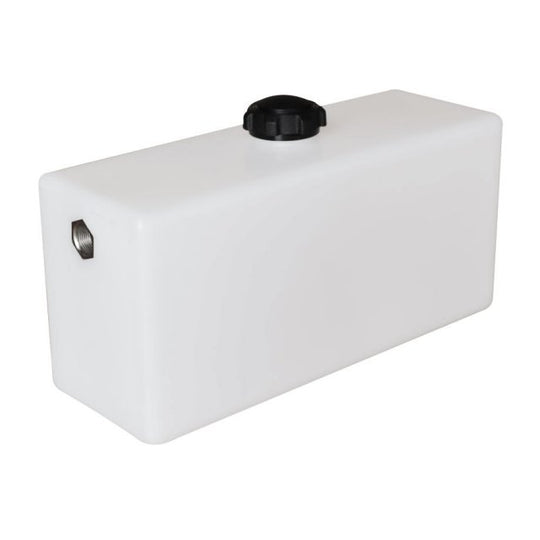
12 Litre Water Tank
£35.00EX VAT · £42.00 INCView product
50 Litre Marquee Weight, Water Tank, Green
£68.00EX VAT · £81.60 INCView product
50 Litre Marquee Weight, Water Tank, Mottle
£68.00EX VAT · £81.60 INCView product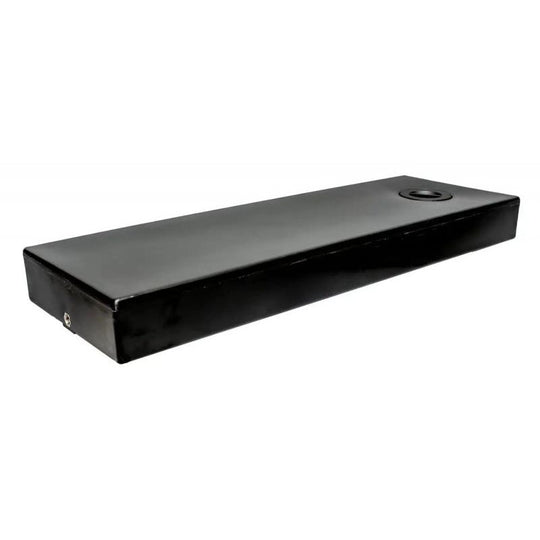
51 Litre Camper Tank
£77.00EX VAT · £92.40 INCView product
24 Litre Wheel Arch Tank
£104.00EX VAT · £124.80 INCView product
57 Litre Wheel Arch Tank
£138.00EX VAT · £165.60 INCView product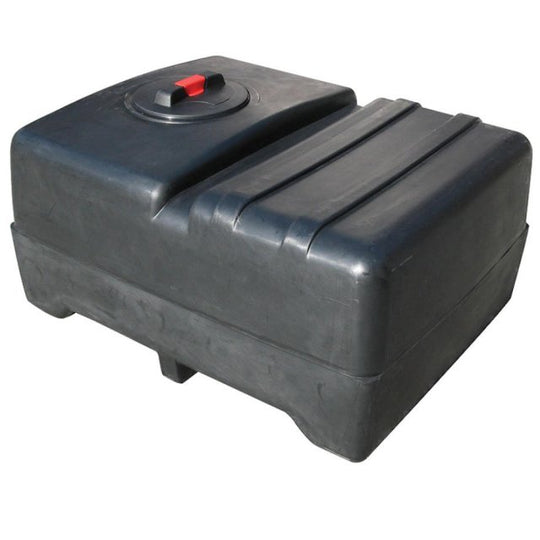
Enduramaxx 240 Litre Squat Tank
POAPrice on applicationView product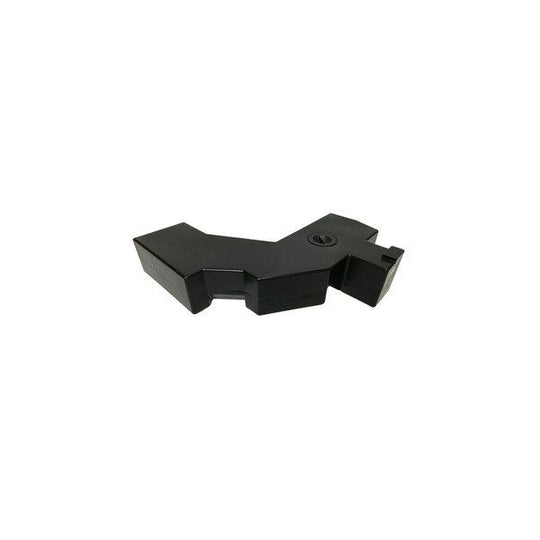
69 Litre Underslung T5
£152.00EX VAT · £182.40 INCView product
100 Litre Wheel Arch Tank
£157.00EX VAT · £188.40 INCView product
Enduramaxx 250 Litre 45° Cone Tank
£168.00EX VAT · £201.60 INCView product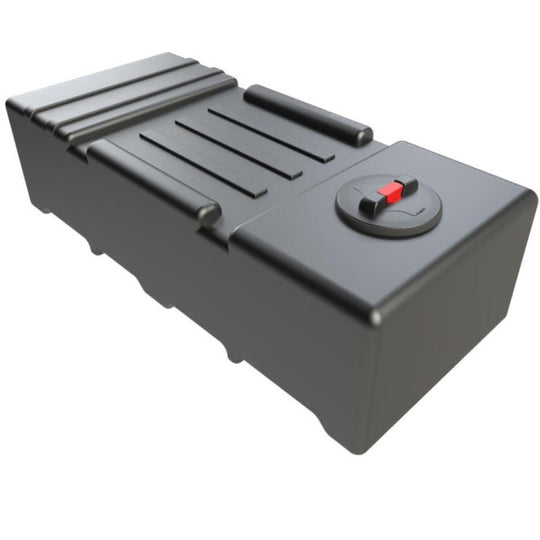
Enduramaxx 400 Litre Squat Tank
£199.00EX VAT · £238.80 INCView product
63L Underslung Tank 5' Lid (Crafter/MAN)
£209.00EX VAT · £250.80 INCView product
450 Litre Slimline Wall Tank
£225.00EX VAT · £270.00 INCView product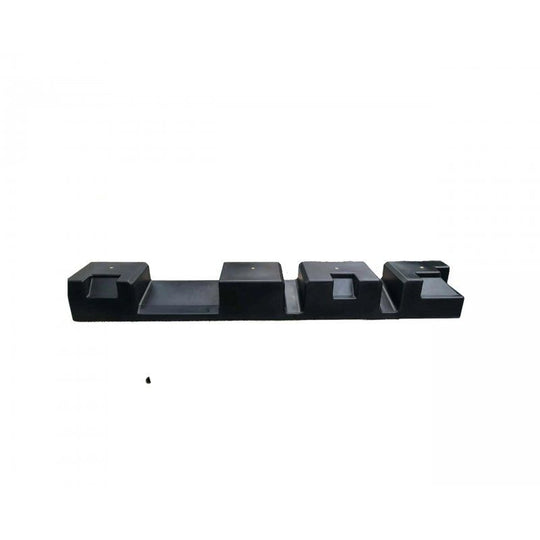
90 Litre VW Crafter/MAN TGE Underslung Tank
£235.00EX VAT · £282.00 INCView product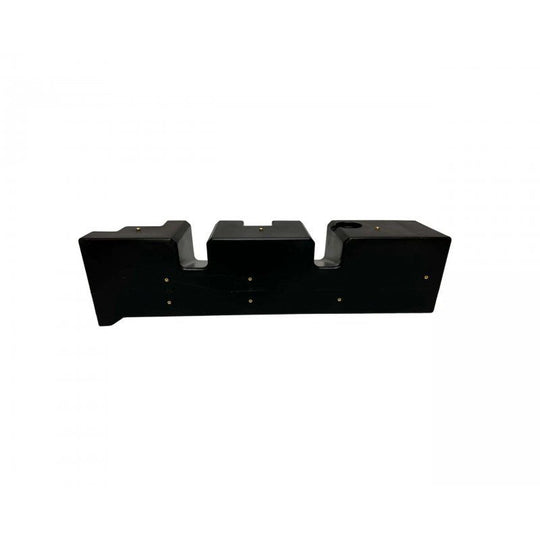
94L Underslung Tank 5' Lid (Crafter/MAN)
£235.00EX VAT · £282.00 INCView product


Talk to a
specialist
Sizing, regulations, installation. Our team has been answering these questions for over 25 years.
Non-potable water tanks are designed for water that isn't intended for drinking or direct human consumption. These tanks are perfect for a wide range of applications, including irrigation, livestock watering, industrial processes, and firefighting reserves.
At Tanks Direct, we offer an extensive selection of non-potable water tanks, also referred to as non-drinking water tanks, to suit various needs and scales. Our range includes tanks of different capacities, materials, and designs, ensuring you'll find the ideal solution for your specific requirements. Whether you're looking for a tank for agricultural use, landscaping, or industrial applications, we have options to match your project's demands.
Don't forget to check out our other water storage solutions, such as potable water tanks for drinking water storage and our robust stainless steel water tanks for applications requiring extra durability. If you're unsure whether a non-potable water tank is the right choice for your needs, our knowledgeable team is always ready to provide expert advice and guide you towards the most suitable option.
Non Potable Water Tanks FAQs
Can a non-potable tank be plumbed into the same system as my mains water?
No — non-potable supplies must be kept entirely separate from your mains drinking water system, with no cross-connection possible. This typically means dedicated pipework, clear labelling, and an air gap or backflow prevention where the two systems are in the same building. Your installer should be aware of the Water Regulations covering this separation.
What size tank do I need for irrigation or livestock watering?
This depends on herd or flock size, crop area, and how long you need reserve capacity between refills or rainfall. As a rough guide, livestock can drink anywhere from a few litres to 50+ litres per head per day depending on species, so it's worth sizing in a buffer for dry spells. Our team can help you work through the sums based on your usage pattern rather than guessing.
Should I choose a GRP or polyethylene tank for non-potable storage?
Polyethylene tanks are lightweight, cost-effective and well suited to most irrigation, washdown and general non-potable applications. GRP (fibreglass) tanks offer greater structural strength and are the better choice for larger capacities, underground installation, or sites with vehicle loading above. Both are widely used — the right choice comes down to size, location and ground conditions.
Can these tanks be installed underground?
Many non-potable tanks in our range are suitable for underground installation, particularly GRP models designed to handle ground and groundwater pressure. You'll need to check the tank's specific burial depth rating and, for larger installations, whether traffic loading covers or a concrete surround is required. Polyethylene tanks can also be buried but usually need a proper backfill and support strategy to avoid deformation.
Do I need planning permission or building regulations approval?
Most above-ground non-potable tanks for agricultural or garden use fall outside planning permission, but larger installations, industrial sites, or those near boundaries can trigger different rules — it's worth checking with your local authority. Underground tanks don't typically need building regs sign-off in the way a sewage treatment plant might, but any associated pumps, electrics or structural work should still be done to relevant standards. If in doubt, a quick call to your council's planning department before ordering saves headaches later.
What access is needed for delivery and how is a large tank sited?
Larger tanks are usually delivered on a flatbed or HIAB-equipped lorry, so you'll need reasonably firm, level access wide enough for the vehicle and any offloading crane swing. For underground or bulky above-ground tanks, having an excavator or suitable lifting equipment booked on the day avoids delays, as our drivers generally aren't able to manhandle tanks into position. It's worth confirming access details with our team when ordering so we can flag anything unusual about your delivery.