MixingTanks
Blend and process liquids.

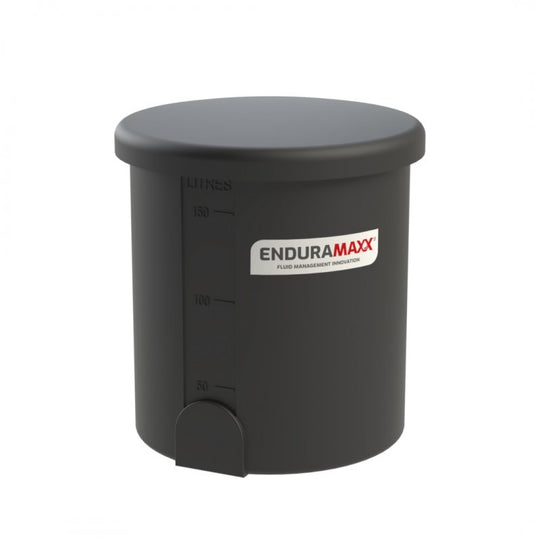
Enduramaxx 150L Batch Mixing Tank
POAPrice on applicationView product
Enduramaxx 250L Batch Mixing Tank
POAPrice on applicationView product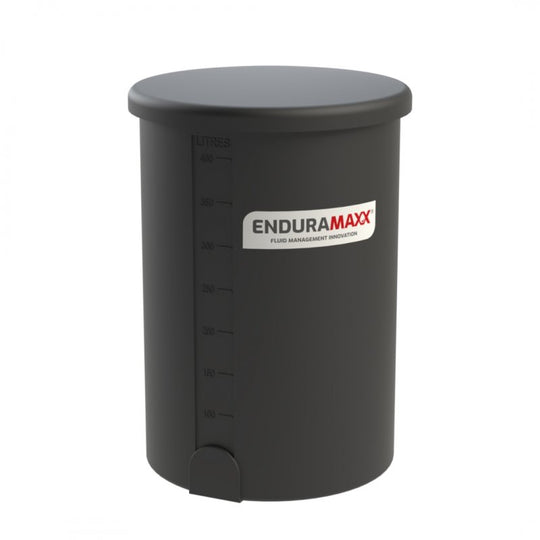
Enduramaxx 400L Batch Mixing Tank
POAPrice on applicationView product
Enduramaxx 400L Batch Mixing Tall Tank
£162.00EX VAT · £194.40 INCView product
Enduramaxx 650L Batch Mixing Tank
£246.00EX VAT · £295.20 INCView product
Enduramaxx 500L Batch Mixing Tank
£246.00EX VAT · £295.20 INCView product


Talk to a
specialist
Sizing, regulations, installation. Our team has been answering these questions for over 25 years.
Getting consistent, thorough mixing is crucial for so many chemical processes, and our batch mixing tanks are designed to give you uniform results every time. Available with or without lids depending on your specific requirements, these tanks handle everything from simple dilutions to complex formulations where precision matters. They work particularly well alongside our dosing tanks for controlled ingredient addition, and many customers use them in combination with bulk storage tanks to create efficient batch processing systems. The open-top versions give you easy access for adding ingredients or cleaning, while the lidded models help prevent contamination and reduce evaporation during longer mixing cycles. Our chemical pumps complement these tanks perfectly for transferring your finished batches, and don't forget our washdown equipment makes cleaning between batches straightforward and thorough.
Mixing Tanks FAQs
What material should I choose for a mixing tank handling chemicals?
Polyethylene is the standard choice for most chemical mixing applications, offering good resistance to acids, alkalis and general industrial chemicals at a reasonable cost. For more aggressive substances or where higher temperatures are involved, GRP (fibreglass) tanks can offer better performance, but always check chemical compatibility charts against your specific formulation before ordering. If you're unsure, tell us what you're mixing and we can point you towards the right material.
Should I choose an open-top or lidded mixing tank?
Open-top tanks give you easy access for manually adding ingredients, fitting agitators, or getting in there to clean, which suits many straightforward batch processes. Lidded tanks are the better option when you're mixing over longer cycles, working with volatile or hazardous substances, or need to keep contamination and evaporation to a minimum. If you're dosing automatically via pumps rather than adding ingredients by hand, a lidded tank with the right inlet fittings usually makes more sense.
What size mixing tank do I need for my batch process?
This comes down to your typical batch volume plus some working headspace — as a rule of thumb, allow at least 10-15% extra capacity above your maximum batch size to accommodate agitation and avoid overflow. Think about your production frequency too; a slightly larger tank that lets you run fewer, bigger batches can be more efficient than constantly refilling a smaller one. If you're combining mixing with bulk storage tanks upstream, size the mixing tank around what you can realistically process and transfer in one cycle.
Can I fit an agitator or mixer to these tanks?
Many of our mixing tanks can be specified or adapted with mounting points for top-entry agitators, though this depends on the specific tank model and lid configuration. If mechanical agitation is part of your process, let us know at the enquiry stage so we can confirm the tank's suitability and any reinforcement needed at the mounting point. For simpler dilutions, some customers manage perfectly well with recirculation via a chemical pump instead of a fitted mixer.
How do I clean a mixing tank between batches?
Open-top tanks are generally easiest to clean manually, with full access for scrubbing or hosing down. For lidded tanks, or where cross-contamination between formulations is a concern, our washdown equipment provides a thorough and consistent clean without needing to climb inside. Whatever your setup, factor cleaning time into your batch scheduling, particularly if you're switching between different chemical formulations.
What outlet and fitting options are available for connecting pumps or dosing equipment?
Our mixing tanks can be specified with a range of outlet positions and fitting sizes to suit connection to chemical pumps for batch transfer, or to dosing tanks for controlled ingredient addition. Bottom outlets are common for full drainage and easier connection to transfer pumps, while side outlets can suit certain flow arrangements. Tell us how the tank fits into your wider system — what it's connecting to and in which direction fluid needs to move — and we'll help specify the right fittings.