Vertical& Horizontal Pump Stations Range
Pump stations, either orientation.


Klargester Hillmaster Malvern PX2 400L Single Sewage Pumping Station
£1,429.00EX VAT · £1,714.80 INCView product
Klargester Hillmaster Malvern PX3 620L Single Sewage Pumping Station
£1,642.00EX VAT · £1,970.40 INCView product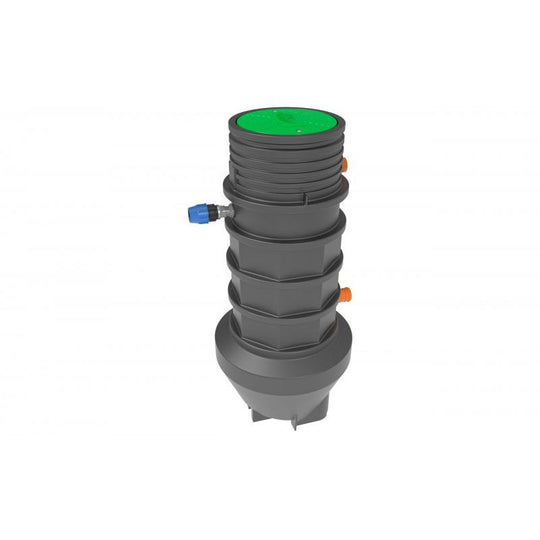
Klargester Hillmaster PX4 Malvern 750L Single Sewage Pumping Station
£1,782.00EX VAT · £2,138.40 INCView product
Klargester Hillmaster PX4 Malvern 750L Twin Sewage Pumping Station
£2,741.00EX VAT · £3,289.20 INCView product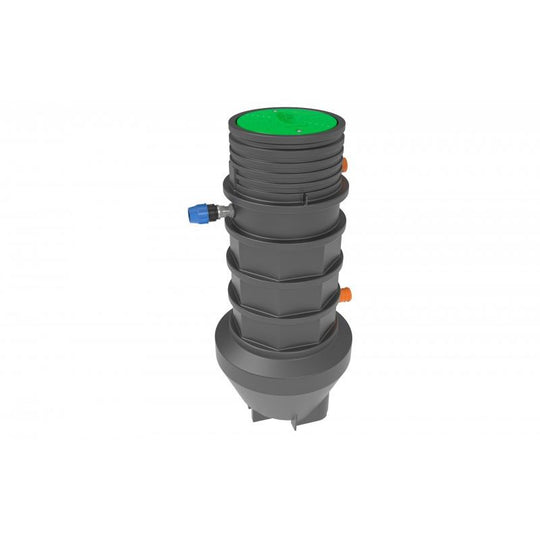
Klargester Hillmaster Chiltern PX5 1120L Twin Sewage Pumping Station
£3,273.00EX VAT · £3,927.60 INCView product


Talk to a
specialist
Sizing, regulations, installation. Our team has been answering these questions for over 25 years.
Typically used in residential dwellings and for commercial applications, more than gravity is needed to control the release of water on an application.
Tanks Direct offers a comprehensive range of pumping stations for sewage, effluent & surface water applications.
Vertical & Horizontal Pump Stations Range FAQs
What's the difference between a vertical and horizontal pump station?
Vertical pump stations have a tall, narrow chamber and are typically used where ground space is limited but depth is available, common in residential settings. Horizontal pump stations have a longer, wider chamber suited to shallower excavations or sites with a high water table. Both perform the same job — the choice usually comes down to the invert depth of your incoming drainage and available space on site.
How do I size a pump station correctly for my property?
Sizing depends on daily flow volume, the number of properties or fixtures being served, and the pump duty required to lift waste to the discharge point. For a single dwelling a smaller foul or effluent station is usually adequate, whereas commercial or multi-property applications need higher-capacity units with twin pumps. We'd always recommend checking invert levels and discharge distance before ordering, as these affect pump selection as much as tank size.
Do pump stations need single or twin pumps?
Single-pump stations are common for individual domestic properties where occasional downtime is manageable. Twin-pump stations provide backup and automatic alternation, which is recommended for commercial sites or anywhere failure would cause a serious problem, such as multiple dwellings sharing one station. Building control or your drainage engineer can advise if duty/standby pumps are a regulatory requirement for your application.
Can pump stations handle sewage as well as surface water?
Yes, but the pump and internals differ depending on application. Sewage and effluent pump stations use pumps designed to handle solids and are fitted with macerators or vortex impellers, while surface water pump stations use clean-water pumps for rainwater and drainage only. It's important to specify the correct type at point of order, as sewage pumps aren't interchangeable with surface water units.
What power supply and controls do pump stations require?
Most domestic pump stations run on a standard single-phase electrical supply, while larger commercial units may require three-phase power. All stations need a control panel with high-level alarm as standard, giving audible and visual warning if the pump fails or the chamber floods. This should be wired in by a qualified electrician and positioned somewhere it will be seen or heard.
What's involved in installing a pump station, and is planning permission needed?
Installation involves excavating to the correct depth, backfilling as specified by the manufacturer to prevent flotation or distortion, and connecting inlet, outlet and electrical supply correctly. Pump stations don't generally need planning permission themselves, but discharge to a public sewer or watercourse may require consent from your water authority or the Environment Agency. We'd always recommend having installation carried out by an experienced groundworker familiar with manufacturer guidelines, as incorrect backfill is the most common cause of problems.