DeltaFire
Delta Fire equipment.

2 1/2' Instantaneous Male x 2' BSP Female Adaptor
£36.08EX VAT · £43.30 INCView product
2 1/2' Instantaneous Male x 2 1/2' BSP Female Adaptor
£36.08EX VAT · £43.30 INCView product
2 1/2' Instantaneous Male x 2' BSP Male Adaptor
£36.08EX VAT · £43.30 INCView product
2 1/2' Instantaneous Male x 2 1/2' BSP Male Adaptor
£36.08EX VAT · £43.30 INCView product
2 1/2' Instantaneous Male x 1 1/2' BSP Male Adaptor
£36.56EX VAT · £43.87 INCView product
2 1/2' Instantaneous Male x 1 1/2' BSP Female Adaptor
£36.56EX VAT · £43.87 INCView product
Jet Spray Short Pattern Nozzle, D05A-LA
£48.75EX VAT · £58.50 INCView product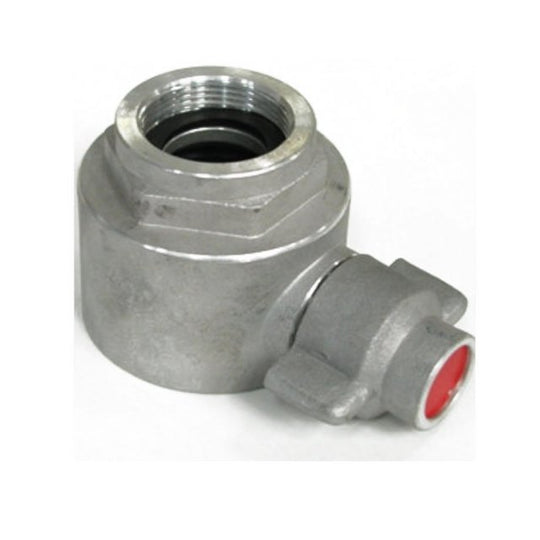
2 1/2' Instantaneous Female x 1 1/2' BSP Female Adaptor
£52.65EX VAT · £63.18 INCView product
2 1/2' Instantaneous Female x 2' BSP Female Adaptor
£52.65EX VAT · £63.18 INCView product
2 1/2' Instantaneous Female x 2 1/2' BSP Female Adaptor
£52.65EX VAT · £63.18 INCView product
2 1/2' Instantaneous Female x 1 1/2' BSP Male Adaptor
£52.65EX VAT · £63.18 INCView product
2 1/2' Instantaneous Female x 2' BSP Male Adaptor
£52.65EX VAT · £63.18 INCView product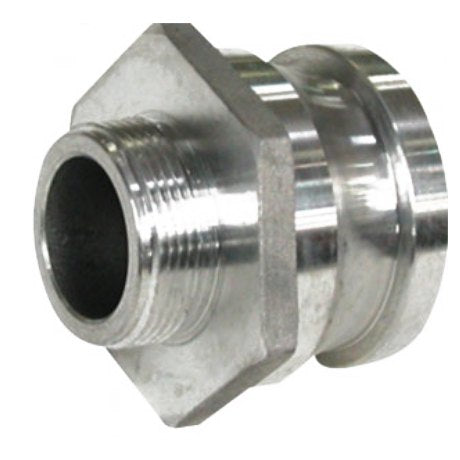
2 1/2' Instantaneous Male x 1' BSP Male Adaptor
£58.50EX VAT · £70.20 INCView product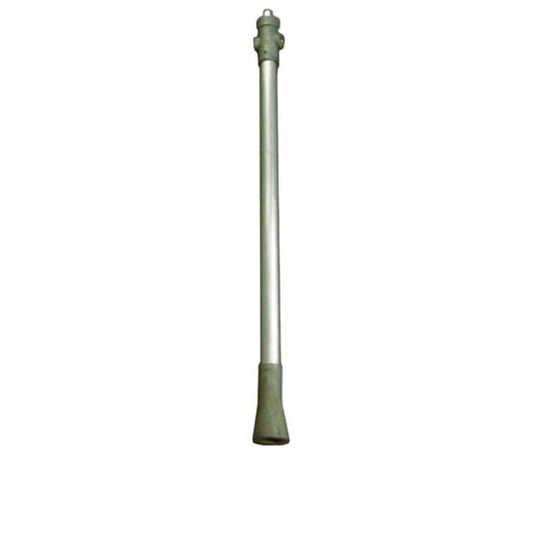
Hydrant Valve Key and Bar
£58.50EX VAT · £70.20 INCView product
No1 Lever-Operated Fire Nozzle, Jet Spray
£66.30EX VAT · £79.56 INCView product
Contractors Standpipe with Single Bib Tap Double Check Valve
£92.63EX VAT · £111.16 INCView product


Talk to a
specialist
Sizing, regulations, installation. Our team has been answering these questions for over 25 years.
Delta Fire FAQs
How do I know what size fire water storage tank I need?
Tank capacity for sprinkler or hydrant systems is calculated from the fire suppression design standard being used — typically BS EN 12845 for sprinklers or BS 9990 for hydrant supplies — which sets minimum stored volume and duration based on hazard category and building use. Your fire engineer or sprinkler contractor should confirm the required litres before you order, as this isn't something to estimate. Delta Fire tanks are available across a wide range of capacities to match these calculated demands.
What's the difference between a fire water tank and a standard water storage tank?
Fire water tanks are built to hold a static reserve that's drawn down quickly and at high flow rates when a pump or hydrant system activates, so they need robust outlet connections and structural design to cope with rapid emptying. They don't need to meet WRAS potable water standards, as the water isn't for drinking, but they must be compatible with the pump suction and control arrangements specified by your fire system designer. Delta Fire tanks are purpose-built for this duty rather than adapted from general-purpose water storage.
Can Delta Fire tanks be installed below ground?
Yes, many Delta Fire tanks are designed for underground installation, which suits sites where surface space is limited or where the tank needs to be discreet. Below-ground tanks require correct backfill, groundwater considerations and adequately rated access covers to take pedestrian or vehicle loading as needed. Above-ground options are also available where excavation isn't practical or where visual access for inspection is preferred.
Do I need building regulations or water authority approval for a fire water tank?
Fire water storage tanks generally fall outside water company wholesome water regulations since they're not connected to the potable supply for consumption, but building control will want to see the tank sized and installed in line with the relevant fire suppression standard as part of your fire strategy sign-off. If the tank is fed from the mains via a break tank arrangement, backflow prevention will still be required at that connection point. It's worth checking requirements with your building control body and insurer early in the design stage.
How is a Delta Fire tank connected to a sprinkler pump or hydrant system?
The tank is fitted with a suction outlet sized to match your pump set's flow requirements, along with fill, overflow and low-level alarm connections as specified by the system designer. These connections and their positioning need to be agreed before delivery, as retrofitting large-diameter outlets on site is far harder than specifying them up front. Your sprinkler contractor or fire engineer will typically provide the connection schedule for us to work to.
What access do I need for inspection and maintenance of the tank?
Fire water tanks need suitable manway or inspection covers to allow periodic checks of water quality, sediment build-up and internal fittings, which is a requirement under most fire suppression maintenance regimes. For underground tanks, covers should be rated for the loading they'll see, whether pedestrian or vehicular, and positioned with clear access for maintenance personnel. We can advise on cover sizing and placement based on your site layout at the enquiry stage.