PalletTrucks And Stackers
Move and lift palletised loads.

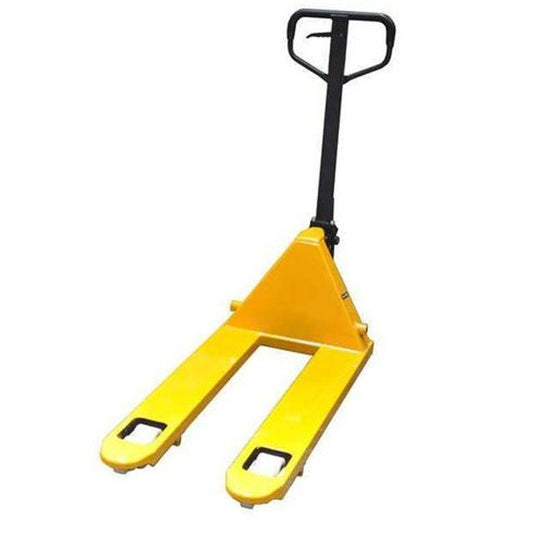
Warrior Eco 2500kg Hand Pallet Truck - Single Nylon Rollers
£350.00EX VAT · £420.00 INCView product
2500kg Capacity Pallet Truck
£395.00EX VAT · £474.00 INCView product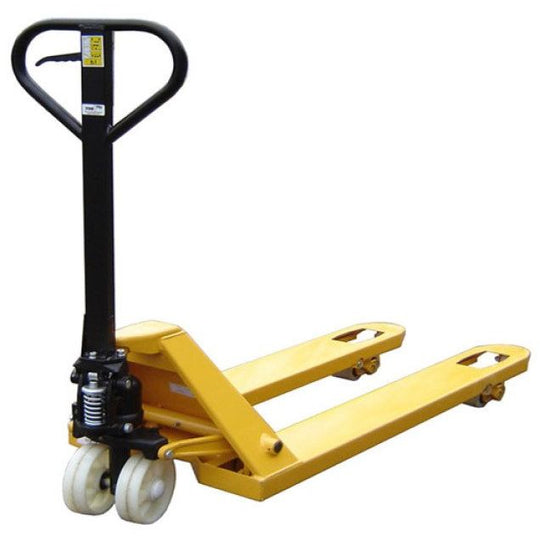
2500kg Pallet Truck with Covered Handles
£425.00EX VAT · £510.00 INCView product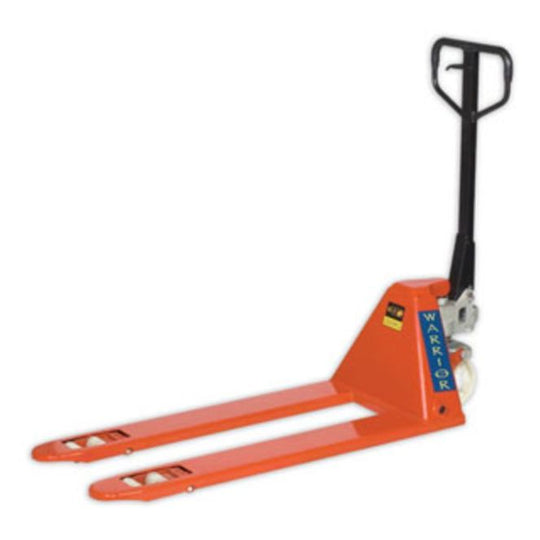
Warrior Low Profile Hand Pallet Truck
£670.00EX VAT · £804.00 INCView product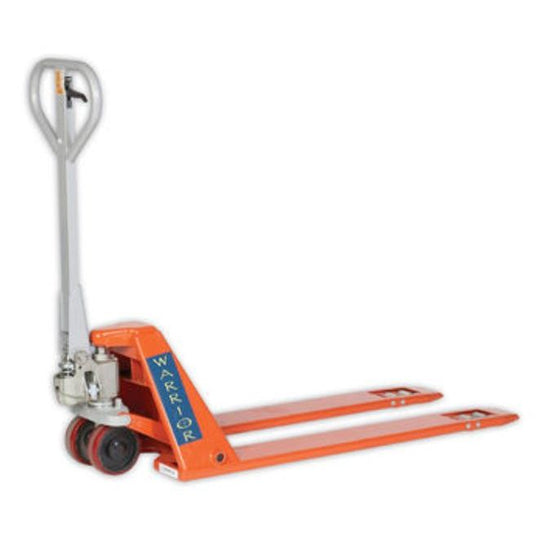
Warrior Supalow Profile Hand Pallet Truck
£685.00EX VAT · £822.00 INCView product
Warrior Eco Weigh Scale Hand Pallet Truck
£745.00EX VAT · £894.00 INCView product
Warrior Drum/Cylinder Carrier
£864.00EX VAT · £1,036.80 INCView product


Talk to a
specialist
Sizing, regulations, installation. Our team has been answering these questions for over 25 years.
Our pallet trucks and stackers are perfect for tough, rugged use in warehouses, distribution, worksites,logistics and mant other industries. With options to suit all budgets we offer the ideal solutions for moving materials and equipment from A to B.
Pallet Trucks And Stackers FAQs
What's the difference between a manual pallet truck and a powered stacker?
A manual pallet truck relies on hand-pumping the hydraulic jack and hand-pulling the load, making it ideal for light, occasional use over short distances. A powered stacker uses an electric motor to raise, lower and sometimes drive the unit, suiting higher-frequency lifting or stacking pallets at height. If you're moving loads regularly or need to lift beyond waist height, a stacker will save time and reduce operator strain.
What weight capacity do I need for my pallet truck?
Standard pallet trucks typically handle 2000kg-2500kg, which covers most UK standard pallets loaded with goods, though heavy-duty models go higher for dense or industrial loads. Always check the actual laden weight of your heaviest pallet, not just the average, and build in a safety margin. Undersizing a truck causes premature wear on the hydraulics and increases the risk of failure under load.
Will a pallet truck work on my warehouse floor or outside on site?
Standard polyurethane wheels are designed for smooth, level indoor floors such as concrete or resin — they roll easily and don't mark the surface. For rough or uneven ground, gravel, or worksite conditions, look for models with pneumatic or nylon wheels built for durability outdoors. Using the wrong wheel type on the wrong surface leads to harder pushing, faster wear and potential tipping on debris.
Do I need training to operate a pallet stacker?
Manual pallet trucks generally don't require formal certification, though basic operator familiarisation is sensible under general health and safety duties. Powered stackers, particularly ride-on or higher-lift models, should only be used by staff who've had proper instruction, as they fall under PUWER (Provision and Use of Work Equipment Regulations). Your employer is responsible for ensuring operators are competent and that equipment is regularly inspected.
What fork sizes do I need to fit standard UK pallets?
Most pallet trucks and stackers come with forks sized around 1150mm long by 540mm-685mm wide, which fits standard UK and Euro pallets comfortably. If you're regularly handling non-standard or oversized pallets, check the fork spread and length before ordering, as a mismatch can make loading unstable or impossible. Some models offer adjustable fork widths for handling mixed pallet sizes.
How do I maintain a pallet truck to keep it working reliably?
Check the hydraulic fluid level periodically and keep the pump mechanism free of dust and debris, as grit is the most common cause of a truck failing to lift. Wheels and bearings should be inspected regularly for wear, especially if used on rough or outdoor surfaces, and any chassis damage should be addressed before it affects the lifting mechanism. A quick daily visual check before use, alongside routine servicing, will significantly extend the working life of the unit.