20- 50 Person Sewage Treatment Plants
Developments and commercial sites.

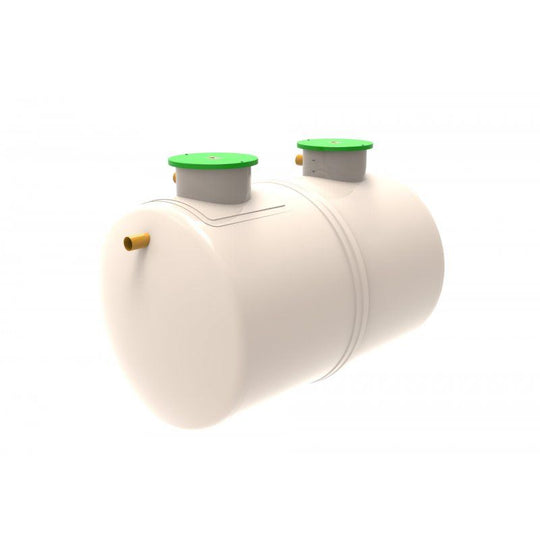
Clearwater BioAir CW6 Sewage Treatment Plant - 20 Person
£4,323.00EX VAT · £5,187.60 INCView product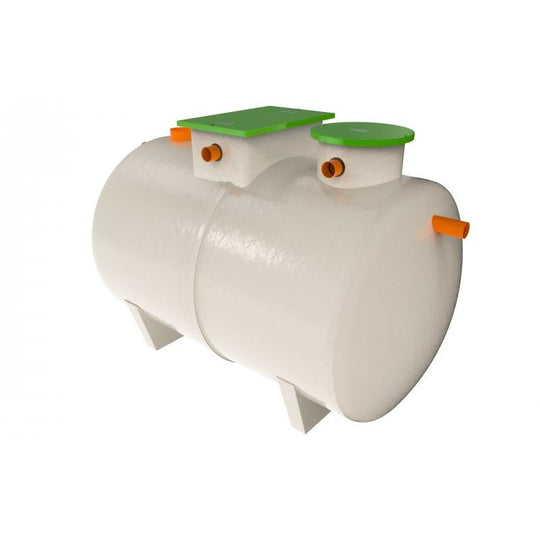
Klargester BioTec+ 6 Sewage Treatment Plant - 20 Person
£4,562.00EX VAT · £5,474.40 INCView product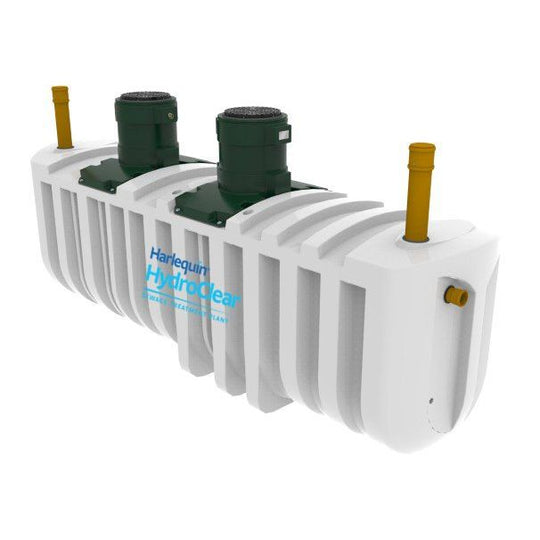
Harlequin HydroClear 20 Person Sewage Treatment Plant
£4,895.00EX VAT · £5,874.00 INCView product
Clearwater BioAir CW7 Sewage Treatment Plant - 25 Person
£5,413.00EX VAT · £6,495.60 INCView product
Klargester BioTec+ 7 Sewage Treatment Plant - 25 Person
£5,990.00EX VAT · £7,188.00 INCView product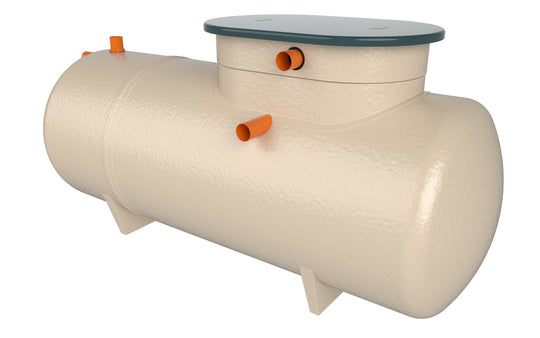
Klargester BioFicient PRO 5 Domestic Sewage Treatment Plant (20 PE)
£7,090.00EX VAT · £8,508.00 INCView product
Harlequin HydroClear 30 Person Sewage Treatment Plant
£7,820.00EX VAT · £9,384.00 INCView product
Clearwater BioAir CW8 Sewage Treatment Plant - 35 Person
£8,474.00EX VAT · £10,168.80 INCView product
Harlequin HydroClear 40 Person Sewage Treatment Plant
£8,985.00EX VAT · £10,782.00 INCView product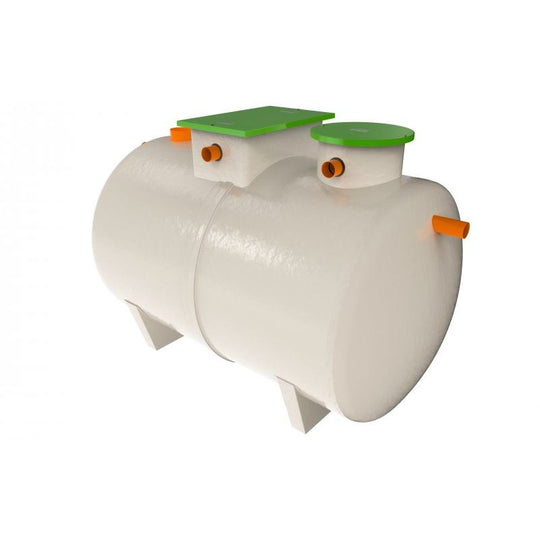
Klargester BioTec+ 8 Sewage Treatment Plant - 35 Person
£9,405.00EX VAT · £11,286.00 INCView productKlargester BioFicient PRO 6 Domestic Sewage Treatment Plant (30 PE)
£9,944.00EX VAT · £11,932.80 INCView product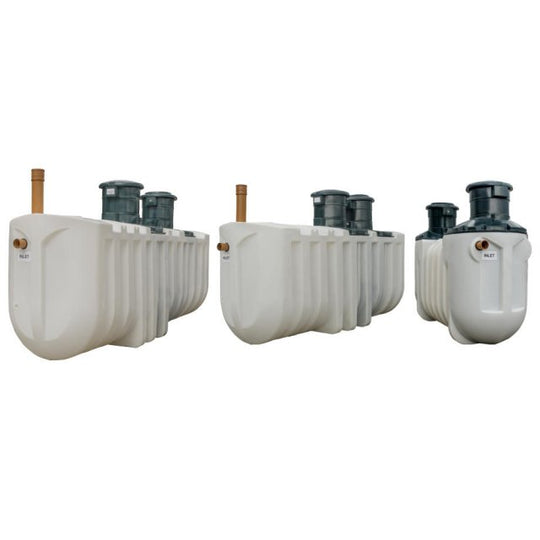
Harlequin HydroClear 50 Person Sewage Treatment Plant
£12,450.00EX VAT · £14,940.00 INCView product
Klargester BioTec+ 9 Sewage Treatment Plant - 50 Person
£13,436.00EX VAT · £16,123.20 INCView product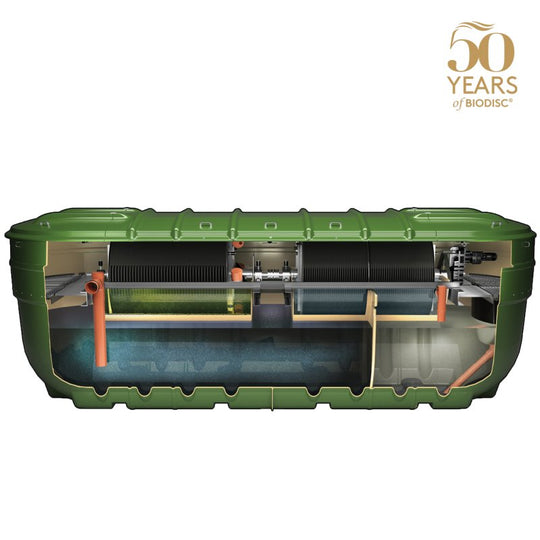
Klargester BF BioDisc Sewage Treatment Plant - 50 Person
£20,316.00EX VAT · £24,379.20 INCView product


Talk to a
specialist
Sizing, regulations, installation. Our team has been answering these questions for over 25 years.
At Tanks Direct, we offer a comprehensive range of high-capacity sewage treatment plants specifically designed for properties with 20 to 50 occupants. These advanced systems treat wastewater to a very high standard, making them perfect for locations that are not connected to mains drainage. They're ideal for hotels, resorts, office buildings, and even large residential developments. Compared to traditional septic tanks, sewage treatment plants offer a more sustainable solution with a smaller footprint and significantly lower maintenance requirements.
You'll find a wide choice of top-tier sewage treatment plants from leading brands like Klargester, Clearwater, Harlequin, and Premier Tech. We offer both gravity-fed and pumped options, so you can choose the system that best suits your site conditions. Keep an eye out for features like energy efficiency, built-in alarms for potential issues, and easy access for maintenance.
We're committed to providing the most competitive prices on the market, and we even offer a price match guarantee to ensure you get the best value. We offer a variety of payment options, including Mondu's B2B convenient pay later and instalment plans. Our dedicated team of experts is also here to answer any questions you may have and help you choose the right high-capacity sewage treatment plant for your property.
20 - 50 Person Sewage Treatment Plants FAQs
How do I know if I need a 20-50 person sewage treatment plant rather than a smaller domestic unit?
Sizing is based on population equivalent (PE) — the maximum number of people who could realistically use the building at once, not just average daily occupancy. Hotels, offices, holiday parks and larger residential schemes typically need this range once occupancy or bedroom count pushes daily flow beyond what a standard domestic plant can handle. If you're unsure, we can help you work through occupancy figures and expected flow rates to confirm the correct PE rating before you order.
What's the difference between a gravity-fed and a pumped sewage treatment plant?
Gravity-fed systems rely on natural fall from the property to the plant and then on to the discharge point, so they need less electrical input and have fewer moving parts. Pumped systems are used where the site is flat, the plant needs to sit above the incoming drain run, or the final discharge point is higher than the outlet. Site levels and a drainage survey will usually determine which option is right for your installation.
Do I need permission to install a sewage treatment plant of this size?
Yes — any plant discharging to a watercourse or to ground will need to comply with the Environment Agency's General Binding Rules, and larger commercial installations often require an environmental permit rather than falling under the exemption. You'll also need Building Regulations approval (Part H) for the installation itself. We'd always recommend checking discharge consent requirements with the Environment Agency before finalising your specification.
How much maintenance does a large-scale treatment plant need compared to a septic tank?
Significantly less than you might expect — most 20-50 person plants from Klargester, Clearwater and Premier Tech are designed with easy-access covers, built-in alarms and self-contained biological treatment, reducing routine intervention. You'll still need a service contract with a qualified engineer (typically annual visits) and periodic desludging, but there's no need for the frequent tanker visits septic tanks demand. Energy-efficient blowers and diffused aeration systems also keep running costs down on this scale.
What materials are these larger plants made from, and does it affect installation?
Most high-capacity plants are manufactured in GRP (fibreglass) or polyethylene, both of which are lightweight, corrosion-resistant and built to withstand groundwater and soil loading once correctly installed. GRP tends to suit larger bespoke or multi-chamber systems, while polyethylene is common on modular units. Either way, correct backfill, concrete surround (where specified) and groundwater checks are essential given the size and weight of these installations once full.
What lead time and delivery access should I plan for with a plant this size?
Because of their size, 20-50 person plants are usually delivered on an articulated lorry with offloading equipment, so you'll need confirmed site access, a clear unloading point and appropriate lifting arrangements agreed in advance. Lead times are typically longer than for domestic units as these are often made to order, so it's worth confirming your installation date early. Our team can advise on delivery logistics and site access requirements specific to your chosen plant.