HazardousStorage
Compliant containment for hazardous goods.

Hazardous Storage Sub-Categories

Deionised Water 1000L IBC
£299.00EX VAT · £358.80 INCView product
All Seasons Screenwash (-3) 1000L IBC
£430.00EX VAT · £516.00 INCView product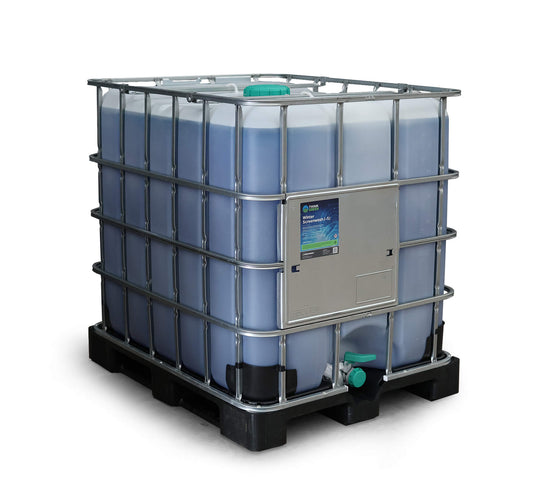
Winter Screenwash (-5) 1000L IBC
£474.00EX VAT · £568.80 INCView product
Traffic Film Remover (TFR) 1000L IBC
£625.00EX VAT · £750.00 INCView product
Super Concentrated Screenwash (-15°C) 1000L IBC
£768.00EX VAT · £921.60 INCView product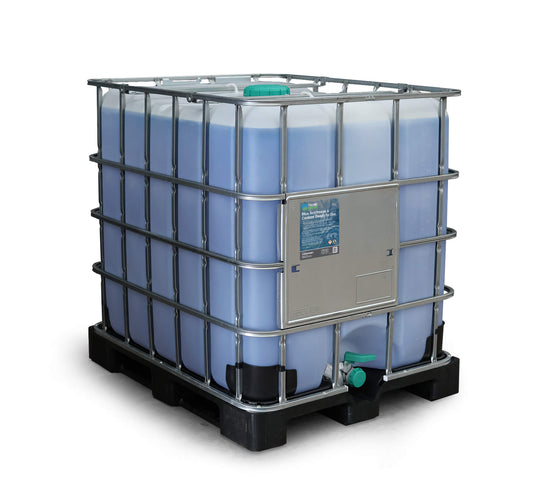
Blue Antifreeze Ready to use - 1000L IBC
£1,306.00EX VAT · £1,567.20 INCView product
Red Antifreeze Ready to use - 1000L IBC
£1,388.00EX VAT · £1,665.60 INCView product


Talk to a
specialist
Sizing, regulations, installation. Our team has been answering these questions for over 25 years.
Hazardous Storage Solutions for a Safer Workplace
Proper hazardous storage is crucial for maintaining safe and compliant work environments.
Our range of products have been designed with this in mind. Designed to securely store and manage hazardous materials, such as chemicals and fuel as well as other goods, these storage solutions help prevent accidents, spills, and contamination. Adhering to regulatory standards, these cabinets ensure the safe handling and storage of dangerous substances, protecting both personnel and the environment.
Explore our range of hazardous storage solutions and create a safer, more compliant workspace. Prioritize safety and compliance with our reliable storage options designed to handle the most demanding requirements.
From Fuel to chemicals, we can offer a storage option for you. We also offer a range of spill control and containment options.
Hazardous Storage FAQs
Do I need a bunded container to store diesel or fuel oil?
Yes — under the Control of Pollution (Oil Storage) Regulations, most fuel storage above certain thresholds must be bunded, meaning the secondary containment holds at least 110% of the tank's capacity. This applies to both domestic heating oil tanks and larger trade fuel stores. Using an integrally bunded tank is the simplest way to stay compliant without building a separate bund wall.
What's the difference between a chemical storage cabinet and a COSHH cabinet?
In practice the terms are used interchangeably — a COSHH cabinet is simply a chemical storage cabinet designed to help you meet the Control of Substances Hazardous to Health Regulations. They typically feature a sump base to contain spills, adjustable shelving, and ventilation points. The right one for you depends on what you're storing — flammables, corrosives or general chemicals — as construction and lining vary accordingly.
Can hazardous storage cabinets be kept outdoors?
Many of our cabinets are available in outdoor-rated versions, built with weatherproof cladding and lockable doors to withstand the elements while keeping contents secure. This is often preferable to indoor storage for flammables, keeping them away from occupied buildings and ignition sources. Check the specific product spec, as not all cabinets are suitable for permanent outdoor exposure.
How much spill containment capacity do I actually need?
As a general rule, containment should hold at least 110% of your largest single container, or 25% of total stored volume if you're storing multiple containers — whichever is greater. This is a widely applied environmental agency guideline rather than a fixed legal figure, so always check current requirements for your specific substance and quantity. Spill pallets, drip trays and bunded cabinets all serve this purpose depending on scale.
What size hazardous storage cabinet do I need for a small workshop?
For most small trade premises storing a handful of drums or containers, a single or double-door cabinet with two to three shelves is usually sufficient. Think about container height and whether you need to store aerosols or smaller bottles separately from larger drums. It's worth erring slightly larger than you think, as COSHH storage needs tend to grow rather than shrink over time.
What lead time should I expect on hazardous storage products?
Standard cabinets and spill pallets are generally kept in stock and can be delivered on a short lead time. Bunded fuel tanks and larger bespoke containment solutions typically take longer, particularly for non-standard capacities. Get in touch with your requirements and we'll confirm current availability before you order.