DomesticRainwater Harvesting Range
Home rainwater reuse packages.

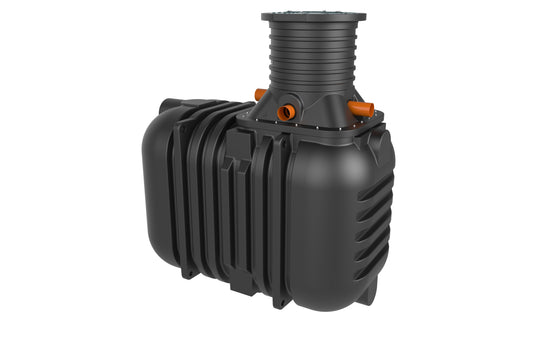
Talk to a
specialist
Sizing, regulations, installation. Our team has been answering these questions for over 25 years.
Designed to offer a host of amenity and biodiversity benefits, Tanks Direct offers a range of rainwater harvesting solutions, helping you to conserve water for future use in the home, garden, or farm.
Typical applications include
Domestic Rainwater Harvesting Range FAQs
What size rainwater harvesting tank do I need for a domestic property?
Tank sizing depends on roof catchment area, average rainfall in your region, and intended use — a system for garden watering and WC flushing in an average household typically ranges from 2,000 to 5,000 litres. Larger households or those wanting to cover laundry use as well should look towards the upper end or consider a bespoke system. We can help you calculate demand against your roof area to get the right capacity rather than over- or under-specifying.
Can I use harvested rainwater for drinking or cooking?
No — domestic rainwater harvesting systems are non-potable by design and are not suitable for drinking, cooking or food preparation without additional treatment and filtration that meets WRAS wholesome water standards. They're intended for uses such as toilet flushing, laundry, garden irrigation and general outdoor use. Keep pipework and outlets clearly labelled to avoid any cross-connection with your mains supply.
Do rainwater harvesting tanks need to be installed underground?
Not necessarily — both above-ground and below-ground options are available, and the right choice depends on available space, aesthetics and freeze protection. Underground tanks keep water cooler and out of sight, and are usually the preferred option for larger-capacity domestic systems. Above-ground tanks are quicker and cheaper to install but need frost protection and screening if visible.
What's the difference between a gravity-fed and pumped rainwater harvesting system?
Gravity-fed systems rely on the tank being positioned higher than the point of use, so water flows without a pump — simple and low-maintenance but limited by site levels. Pumped systems use a submersible or surface pump to deliver water to WCs, outdoor taps or appliances regardless of tank position, and are the more common choice for most UK domestic installations. Your choice will depend on ground levels, tank location and what the water will be used for.
Do I need planning permission or building regulations approval for a rainwater harvesting tank?
Most domestic rainwater harvesting installations don't require planning permission, but underground tanks and any pipework connected into the house (for WC flushing, for example) fall under building regulations, particularly Part G and Part H. It's worth checking with your local authority or installer, especially if the tank is being plumbed into the property's internal system rather than just used outdoors. Proper backflow prevention and labelling are essential wherever mains and harvested water share a building.
What maintenance does a domestic rainwater harvesting system need?
Filters and leaf guards at the inlet should be checked and cleared regularly, particularly during autumn, to stop debris entering the tank and blocking pipework. The tank itself should be inspected annually and desludged every few years, as sediment naturally settles at the base over time. Pumps and any control units also benefit from an annual service check to keep the system running efficiently.