SinglePump Sewage Pump Stations
Single-pump foul water lifting.


190 litre Sewage Pumping Station
£515.00EX VAT · £618.00 INCView product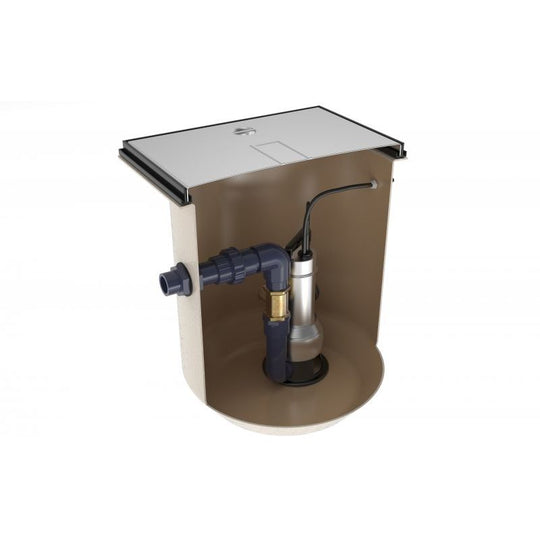
Clearwater 200L Compact GRP Sewage Pumping Station
£559.00EX VAT · £670.80 INCView product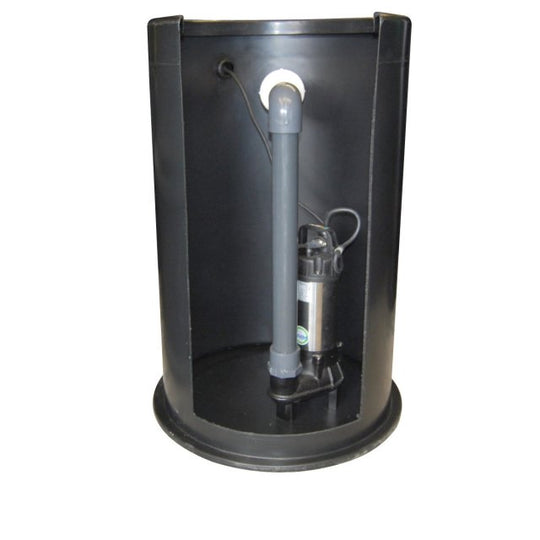
300 Litre Sewage Pumping Station
£563.00EX VAT · £675.60 INCView product
450 Litre Sewage Pumping Station
£660.00EX VAT · £792.00 INCView product
Clearwater 450L Compact GRP Sewage Pumping Station
£672.00EX VAT · £806.40 INCView product
600 Litre Sewage Station
£707.00EX VAT · £848.40 INCView product
TD Mini Single Sewage Pump station, 800 litre tank
£920.00EX VAT · £1,104.00 INCView product
Sewage Pump station, Single Pump, 800 litre tank
£924.00EX VAT · £1,108.80 INCView product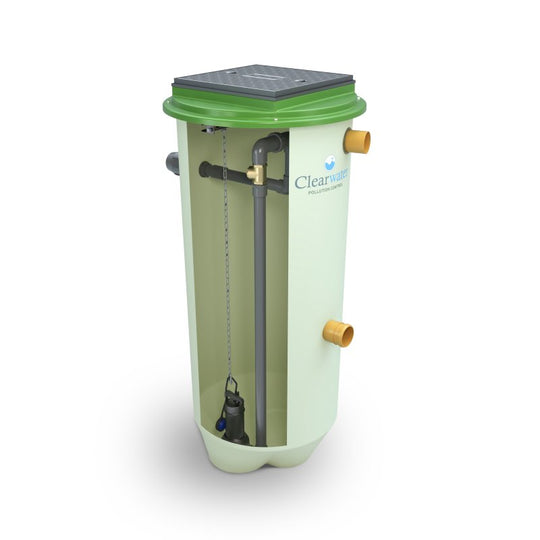
Clearwater 900L GRP Single Sewage Pumping Station
£943.00EX VAT · £1,131.60 INCView product
TD Mini Single Sewage Pump station, 1200 litre tank
£1,020.00EX VAT · £1,224.00 INCView product
Clearwater 1250L GRP Single Sewage Pumping Station
£1,033.00EX VAT · £1,239.60 INCView product
Sewage Pump station, Single Pump, 1200 litre tank
£1,034.00EX VAT · £1,240.80 INCView product
Clearwater 1600L GRP Single Sewage Pumping Station
£1,123.00EX VAT · £1,347.60 INCView product
TD Mini Single Sewage Pump station, 1700 litre tank
£1,150.00EX VAT · £1,380.00 INCView product
TD Mini Single Sewage Pump station, 1900 litre tank
£1,188.00EX VAT · £1,425.60 INCView product


Talk to a
specialist
Sizing, regulations, installation. Our team has been answering these questions for over 25 years.
Perfect for small dwellings or individual buildings, single sewage pump stations move sewage and wastewater from a lower elevation to a higher one. These pump stations are commonly used in areas where gravity cannot be relied upon to transport wastewater to a treatment plant or other disposal facility.
A single sewage pump station works by collecting wastewater in a wet well. When the sewage level in the wet well reaches a certain point, the pump is activated. The sewage is pumped to the sewer system at high pressure through a discharge pipe system and into a gravity sewer manhole. Electrical controls help to monitor the pump's operation, ensuring that it runs smoothly and efficiently.
At Tanks Direct, our single sewage pump stations come in a range of capacities from 190 to 4,400 litres and you can choose from above ground and below ground pumps. It is important to ensure your single sewage pump station is properly maintained to ensure its effective and reliable operation. Regularly inspecting the sewage pump station, as well as routine testing of the electrical controls and system performance, will all help to keep your single sewage pump station working properly and help prevent costly repairs and environmental contamination.
Single Pump Sewage Pump Stations FAQs
How do I work out what size single pump sewage station I need?
Sizing depends on the number of people or dwellings served, daily wastewater volume, and how far and high the sewage needs to be pumped. As a rough guide, a single household typically needs a station at the smaller end of the range (around 190-750 litres), while larger properties or those with holding requirements between empties need greater capacity. Our team can help you match a station to your property's occupancy and discharge point once you know your invert levels.
Should I choose an above ground or below ground pump station?
Below ground stations are buried so the wet well sits beneath the incoming drainage run, making them ideal where gravity feed into the chamber is needed and you want the unit hidden from view. Above ground stations sit on the surface and are generally used where excavation isn't practical, for internal plant rooms, or for temporary and semi-permanent installations. Ground conditions, water table and available fall to the pump will usually determine which is appropriate.
What size discharge pipe and how far can the pump push wastewater?
Most single pump stations use a 40mm to 50mm rising main, though this varies by model and pump duty. Pumping distance and lift height are governed by the pump's head/flow curve, so you'll need to check the total dynamic head — static lift plus friction losses over pipe length and any bends — against the pump's performance data. Get in touch with your run length and lift height and we can help you check the pump is suitable.
Do I need building regulations approval or a permit to install a sewage pump station?
Yes, installation of a sewage pump station falls under Building Regulations Part H (drainage and waste disposal), and if you're connecting into or near a public sewer you may also need permission from your local water authority. Discharge consents differ from those for treatment plants since pump stations typically feed into the foul sewer network rather than a watercourse. It's worth checking with your local building control body and water company before installation begins.
What maintenance does a single sewage pump station actually need?
Routine maintenance includes checking the pump and float switches operate correctly, clearing any rag or debris from the impeller, and testing the alarm and control panel. Most manufacturers recommend a service at least once a year, though heavier-use properties may need more frequent checks. Keeping the wet well free of wipes, fats and other non-degradable material significantly reduces the risk of pump blockages and premature failure.
What happens if there's a power cut or the pump fails?
Every single pump station should include a high-level alarm, usually audible and visual, to warn you before the wet well overflows. Because there's only one pump, there's no automatic duty/standby backup, so during a power cut wastewater will simply store in the chamber until power or pumping is restored — this is why correctly sizing the wet well capacity for your household's needs matters. For properties needing extra resilience, a battery backup alarm or standby generator connection is worth considering.