3P
3P water management.


3/4' x 25mm Tank to Tank Kit
£9.75EX VAT · £11.70 INCView product
Rainwater Filter Collector
£34.00EX VAT · £40.80 INCView product
Rainwater Filter Collector with Universal Link
£45.00EX VAT · £54.00 INCView product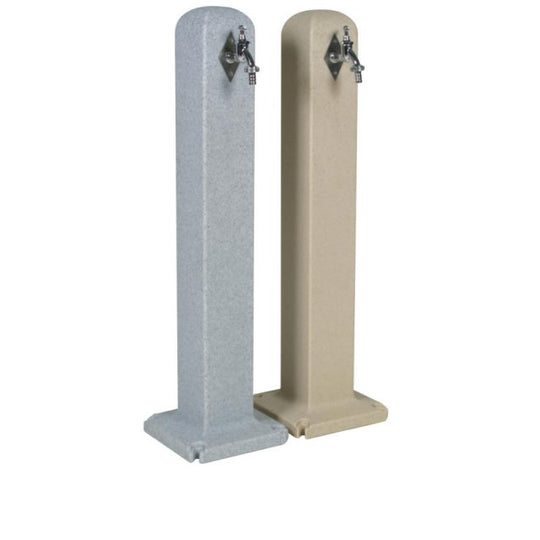
Granite Watering Post
£67.65EX VAT · £81.18 INCView product
Telescopic Extension only
£85.00EX VAT · £102.00 INCView product
Rainus Downpipe Filter
£103.00EX VAT · £123.60 INCView product
Garden Filter
£165.00EX VAT · £198.00 INCView product
270 Litre Barrique Garden Water butt
£196.00EX VAT · £235.20 INCView product
Garden Filter with Telescopic Extension
£210.00EX VAT · £252.00 INCView product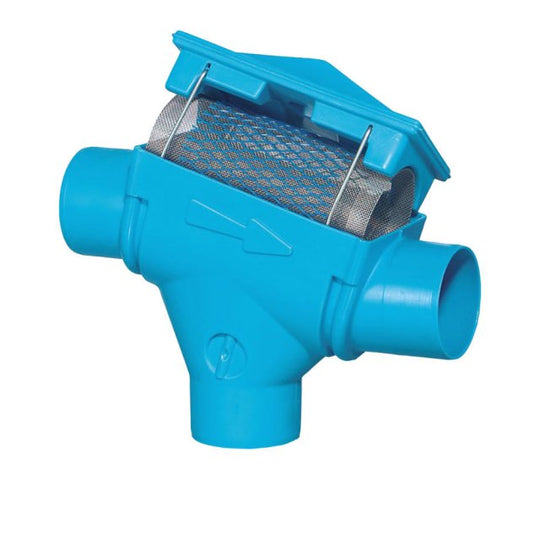
Patronen Filter
£215.00EX VAT · £258.00 INCView product
Attenuation and Infiltration Filter
£215.00EX VAT · £258.00 INCView product
Sinus Filter
£230.00EX VAT · £276.00 INCView product
Attenuation Infiltration Filter with Telescopic Extension
£285.00EX VAT · £342.00 INCView product
300 Litre Helena Water butt
£317.00EX VAT · £380.40 INCView product
Volume Filter
£320.00EX VAT · £384.00 INCView product


Talk to a
specialist
Sizing, regulations, installation. Our team has been answering these questions for over 25 years.
3P FAQs
What is a 3P pumping station used for?
A 3P pumping station is typically installed where gravity drainage isn't possible — moving foul water, effluent from a sewage treatment plant, or surface water uphill to a soakaway, watercourse or mains connection. They're common on properties below the level of the public sewer or where a treatment plant outlet sits lower than the discharge point. Choosing between a foul or surface water version depends on what's being pumped, as impellers and switch arrangements differ.
How do I size a pumping station correctly?
Sizing depends on the daily volume to be handled, the total pumping head (vertical lift plus friction losses in the pipework) and the distance to the discharge point. Undersizing risks the pump running almost continuously and failing early, while oversizing wastes energy and adds unnecessary cost. As a rule of thumb, get the head and flow rate confirmed before ordering, since this determines which pump curve suits the job.
Do I need building regulations or Environment Agency approval to install one?
Foul water pumping stations discharging to a public sewer generally fall under Building Regulations Part H and should be installed in line with British Water/manufacturer guidance. If the station is part of a private drainage system discharging to a watercourse or ground, you may also need Environment Agency consent, particularly where it's linked to a septic tank or treatment plant. It's worth checking with your local building control officer before installation, as requirements vary by site.
What power supply does a pumping station need?
Most domestic 3P stations run on a standard single-phase 230V supply, though larger commercial units may require three-phase power — always check the specification before ordering. An armoured cable run from the property to the chamber is standard, and a qualified electrician should make the final connection along with any control panel or alarm wiring. It's sensible to include a high-level alarm as standard, so you're alerted before any backup or overflow occurs.
How deep can a pumping station chamber be installed?
Standard chambers typically accommodate invert depths from around 1 metre up to 3 metres or more, with deeper installations needing extension shafts or a reinforced chamber to handle ground and water pressure. Ground conditions, water table height and traffic loading (if under a driveway) all affect the installation method and whether concrete surround is needed. Always confirm the invert depth on site before ordering, as this dictates the chamber and pump combination required.
What maintenance does a pumping station need once installed?
Routine maintenance includes checking the pump and float switches operate correctly, clearing any debris from the sump, and testing the alarm system, typically every six to twelve months depending on usage. Foul water stations handling waste from a treatment plant benefit from more frequent checks, since solids and fats can affect pump performance over time. Keeping a service record is good practice and may be required to maintain any manufacturer warranty.