MortarTubs
Mix and carry on site.

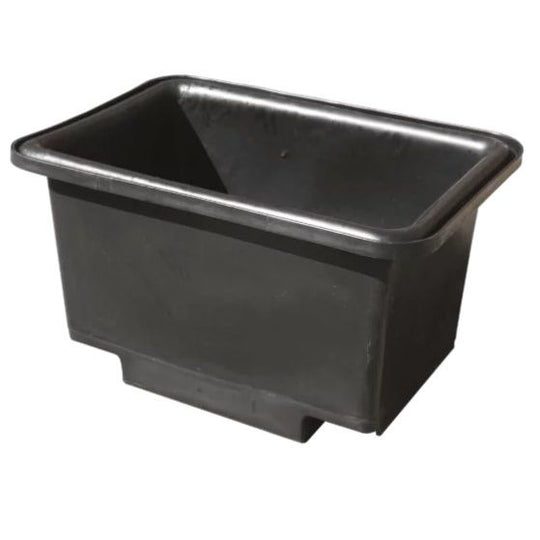
250L Forkliftable Mortar Tub
£84.00EX VAT · £100.80 INCView product
300L Forkliftable Mortar Tub
£92.00EX VAT · £110.40 INCView product
250 Litre Twin Skin Mortar Tub
POAPrice on applicationView product
90 Litre Mortar Tub, Pack of 10
£426.00EX VAT · £511.20 INCView product
90 Litre Mortar Tub with Steel Frame, Pack of 10
£1,179.00EX VAT · £1,414.80 INCView product


Talk to a
specialist
Sizing, regulations, installation. Our team has been answering these questions for over 25 years.
Mortar tubs are an essential piece of equipment for any construction site, providing a strong and stable mixing station for your building materials. These durable containers are designed specifically for mixing mortar, concrete, and other building compounds, giving you the perfect space to prepare materials exactly as needed. When you're working on construction projects, having the right equipment makes all the difference - just as site shelters protect your materials and workforce, a quality mortar tub protects your mixing area and ensures consistent results. Your mortar tub needs to withstand heavy daily use while keeping your workspace clean and organised. Our range features tough construction that stands up to constant mixing, moving and cleaning, while the practical design makes it easy to transport materials around your site. These tubs pair perfectly with your site storage solutions and auto-tipping skips, creating an efficient workflow for all your building projects. The practical design includes reinforced edges and stable bases that prevent tipping, even when fully loaded.
Mortar Tubs FAQs
What size mortar tub do I need?
Mortar tubs typically range from around 65 litres for small jobs and repairs up to 350 litres or more for larger mixing tasks. For regular brickwork or rendering on a domestic build, a mid-size tub around 90-150 litres usually strikes the right balance between capacity and manoeuvrability. If you're mixing large volumes of concrete or running a busy site, go larger to reduce the number of mixes needed per day.
Are mortar tubs made from plastic or metal?
Most mortar tubs are moulded from heavy-duty polyethylene, which is lightweight, doesn't rust, and won't corrode from contact with cement or lime. Metal tubs do exist but are heavier, more expensive, and prone to corrosion over time with constant exposure to wet mortar. Polyethylene tubs also flex slightly, which helps knock off dried mortar residue more easily.
Can a mortar tub be used for mixing concrete as well as mortar?
Yes, a good quality mortar tub is equally suited to mixing concrete, render, screed and other building compounds, not just mortar. The reinforced edges and thick base cope well with the abrasive nature of aggregate and the weight of a full concrete mix. Just make sure you're not exceeding the tub's stated load capacity when working with denser materials.
How do I stop a mortar tub tipping over when it's full?
Look for tubs with a wide, stable base and reinforced rim, as these are specifically designed to resist tipping even under a full load. Always position the tub on level, firm ground before filling it, and avoid loading it unevenly to one side. Some tradespeople also chock the base on soft or uneven site surfaces for extra stability.
How do I clean dried mortar out of a tub?
The easiest approach is to clean the tub while the mortar is still wet, using a hose or pressure washer and a stiff brush before it has a chance to cure. If mortar has already dried, a rubber mallet tapped against the outside of the tub often loosens larger chunks, followed by scraping and a wash down. Polyethylene tubs are far easier to clean than metal ones, as dried material doesn't bond to the surface as readily.
Can mortar tubs be stacked or moved around site easily?
Many mortar tubs are designed to stack when empty, making them easy to store between jobs or transport in bulk on a trailer or van. Handles or lip designs on most models allow two people to lift and reposition a tub around site, though a loaded tub is best moved with a wheelbarrow, forklift or site buggy. Pairing your tub with proper site storage keeps it protected and out of the way when not in use.