HorizontalBunded Oil Tanks
Low-profile bunded oil storage.
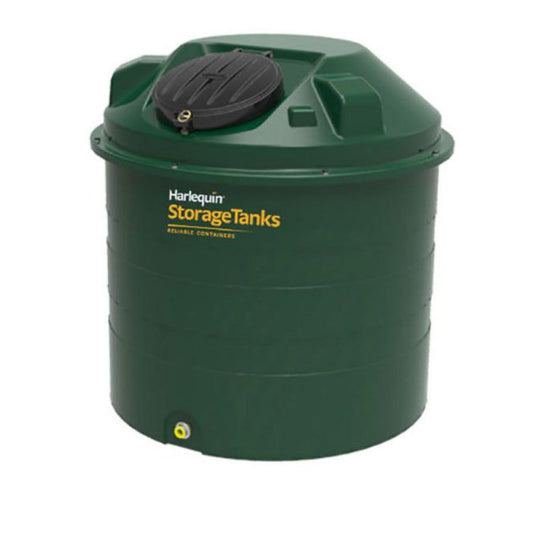
1450HQi 1450 Litre Bunded Oil Tank
£1,340.00EX VAT · £1,608.00 INCView product
1100HQi 1100 Litre Bunded Oil Tank
£1,458.00EX VAT · £1,749.60 INCView product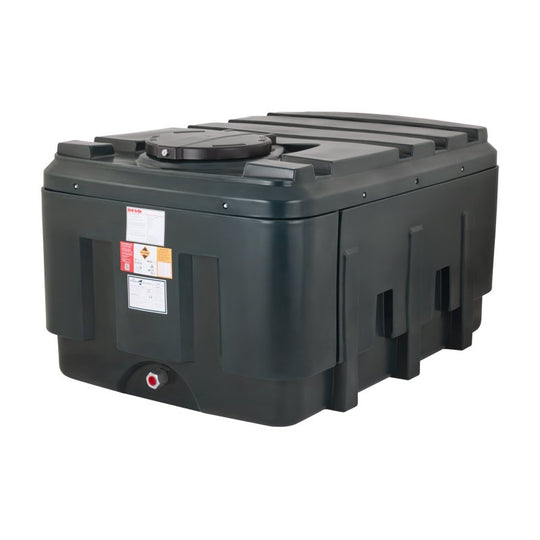
1200 Litre Low Profile Bunded Oil Tank
£1,479.00EX VAT · £1,774.80 INCView product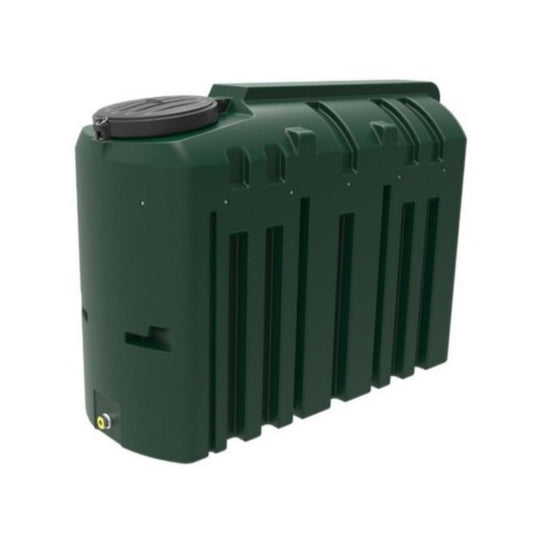
1225HQi 1225 Litre Bunded Oil Tank
£1,491.00EX VAT · £1,789.20 INCView product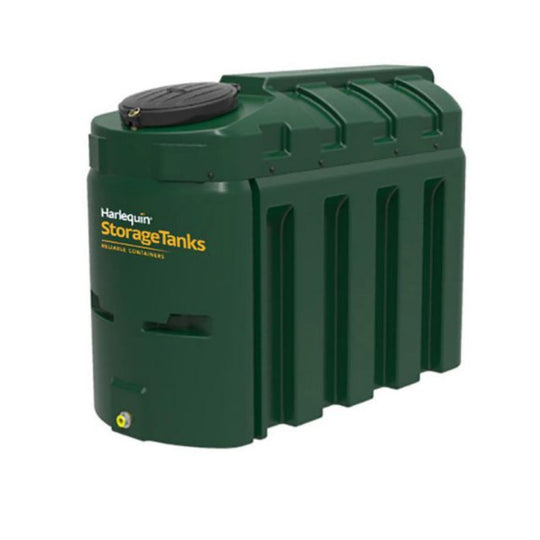
1300HQi 1300 Litre Bunded Oil Tank
£1,512.00EX VAT · £1,814.40 INCView product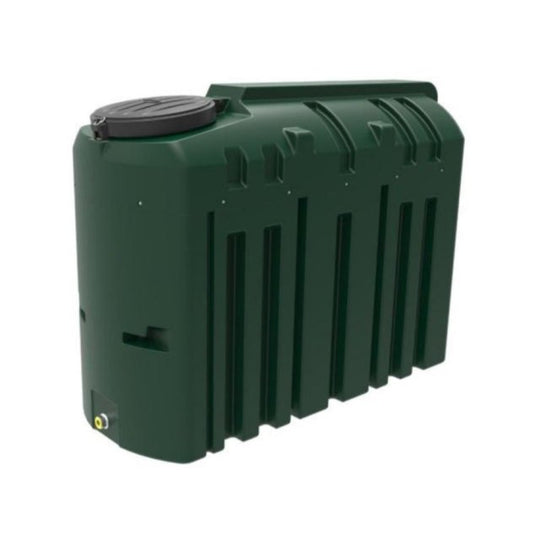
1225 Litre Bunded Oil Tank
£1,581.00EX VAT · £1,897.20 INCView product
1300 Litre Bunded Oil Tank
£1,602.00EX VAT · £1,922.40 INCView product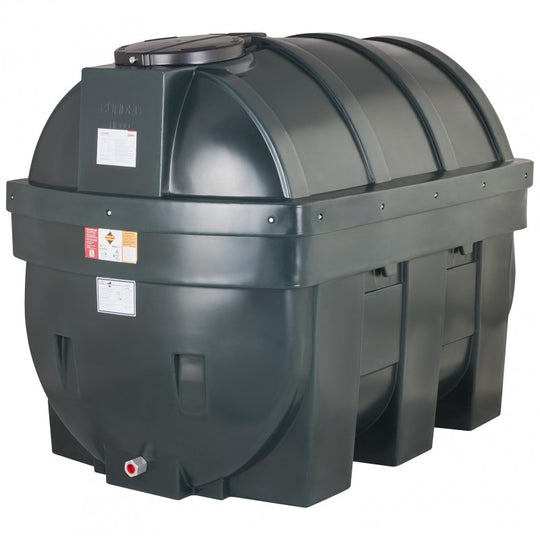
1800 Litre Bunded Oil Tank
£1,659.00EX VAT · £1,990.80 INCView product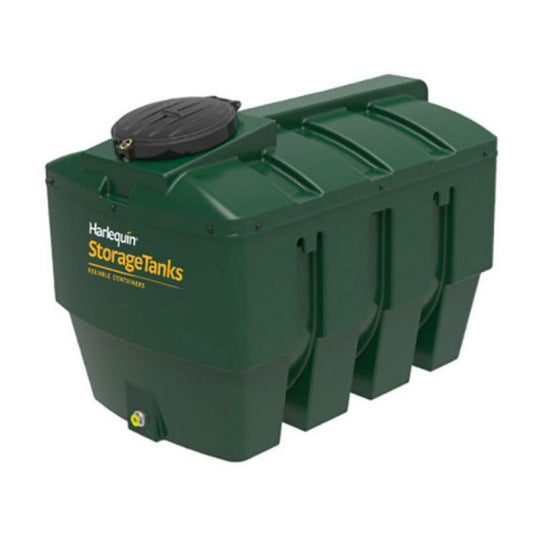
1400HQi 1400 Litre Bunded Oil Tank
£1,687.00EX VAT · £2,024.40 INCView product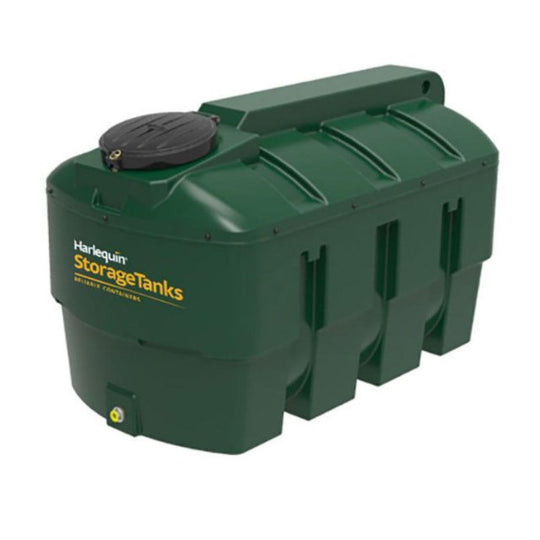
2000HQi 2000 Litre Bunded Oil Tank
£1,756.00EX VAT · £2,107.20 INCView product
1400 Litre Bunded Oil Tank
£1,777.00EX VAT · £2,132.40 INCView product
2000 Litre Bunded Oil Tank
£1,846.00EX VAT · £2,215.20 INCView product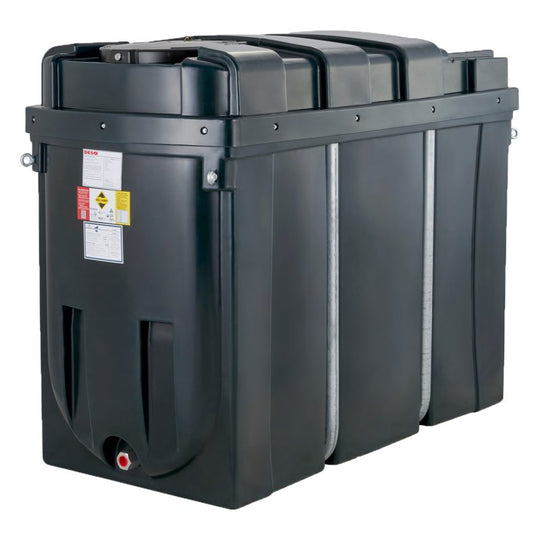
1550 Litre Bunded Oil Tank
£1,899.00EX VAT · £2,278.80 INCView product
2500HQi 2500 Litre Bunded Oil Tank
£1,903.00EX VAT · £2,283.60 INCView product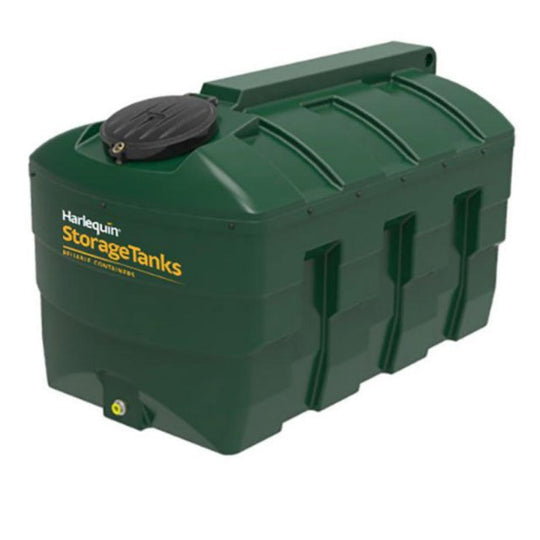
2500 Litre Bunded Oil Tank
£1,993.00EX VAT · £2,391.60 INCView product
3500 Litre Bunded Oil Tank
£3,324.00EX VAT · £3,988.80 INCView product


Talk to a
specialist
Sizing, regulations, installation. Our team has been answering these questions for over 25 years.
Horizontal Bunded Oil Tanks FAQs
What does "bunded" actually mean and do I need one?
A bunded tank has an outer skin (the bund) surrounding the inner oil-storage vessel, designed to hold 110% of the tank's capacity if the inner tank fails or is overfilled. Building Regulations and the Oil Storage Regulations (OSR) require bunding where a tank is within 10m of a watercourse, drain, or where a spill could reach a water source — which covers most UK domestic and commercial installations. Insurers and OFTEC-registered installers will also generally insist on a bunded tank for any new or replacement installation.
What size horizontal bunded tank do I need for my heating oil use?
For an average UK household, 1,200–1,500 litres is typical, giving enough capacity for two to three deliveries' worth of oil and reducing the frequency of top-ups. Larger properties, or those running oil-fired Agas alongside central heating, often opt for 2,500 litres upwards. As a rule of thumb, size the tank to your annual consumption plus a safety margin, so you're never caught out over winter, but not so large that oil sits unused and degrades.
Steel or plastic (polyethylene) — which bunded tank should I choose?
Plastic bunded tanks are lighter, won't rust, and are generally more cost-effective for domestic heating oil storage — most are moulded as a single integrally bunded unit. Steel tanks are more robust against physical damage and UV degradation over decades, and are often specified for commercial sites or where longevity and impact resistance matter more than weight. Both are widely available in horizontal format and, provided they carry the relevant certification, are equally compliant for oil storage.
Where can I site a horizontal bunded oil tank on my property?
OFTEC guidelines set minimum separation distances — typically 1.8m from a non-fire-rated boundary or building, or 760mm if a fire-rated barrier is in place, though exact figures vary by tank and situation. The tank should sit on a firm, level, non-combustible base such as concrete paving slabs or a poured concrete pad rated for the filled weight. Keep it away from eaves, ideally under cover but ventilated, and ensure delivery tanker access is realistic before you finalise the position.
What comes with a bunded tank, and do I need extra fittings?
Most horizontal bunded tanks arrive with a fill point, vent, and outlet already fitted, but you'll typically still need to add a contents gauge, a fire valve at the boiler line connection, and an audible or visual high-level alarm to prevent overfilling. Many installers also fit an anti-syphon valve if the boiler sits below tank level. Check what's included versus what your installer needs to supply separately before ordering.
What should I expect on delivery day for a large bunded tank?
Horizontal bunded tanks from 1,200 litres upwards are bulky and heavy even empty, so confirm access width, gate clearances and any turning restrictions when you order, as kerbside delivery on a tail-lift is standard rather than installation to final position. For larger commercial tanks, offloading equipment or a second pair of hands is often needed on-site, since the driver won't manoeuvre the tank into place. Always have the base prepared and confirmed level before the tank arrives to avoid delays.