Clearwater
Clearwater treatment range.
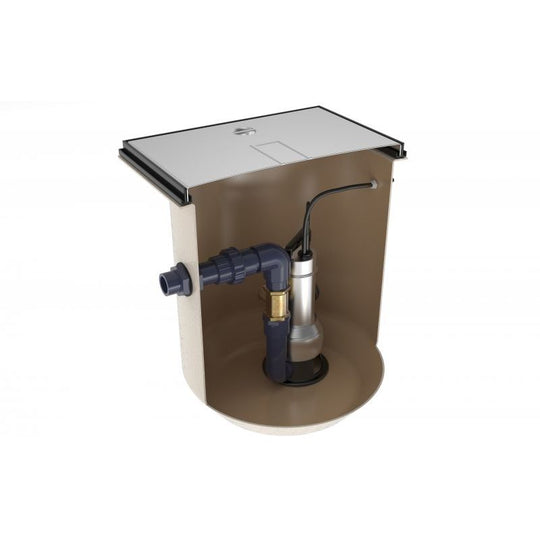
Clearwater 200L Compact GRP Sewage Pumping Station
£559.00EX VAT · £670.80 INCView product
Clearwater 400L Compact GRP Sewage Pumping Station
£672.00EX VAT · £806.40 INCView product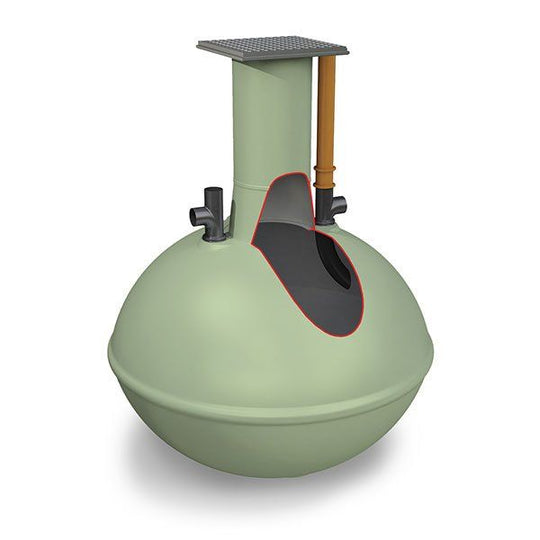
Clearwater 2,800 Litre Septic Tank
£862.00EX VAT · £1,034.40 INCView product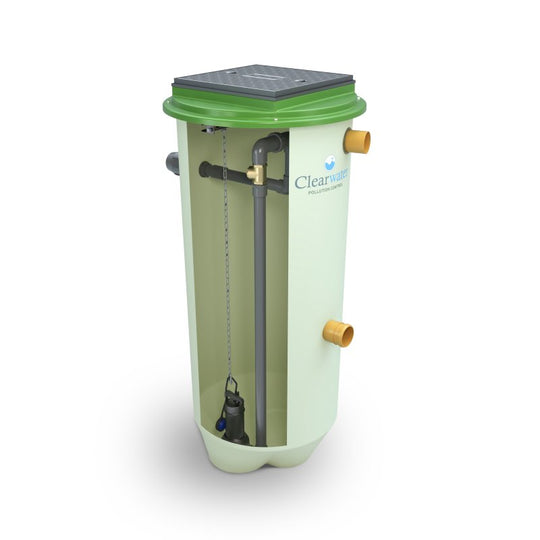
Clearwater 900L GRP Single Sewage Pumping Station
£943.00EX VAT · £1,131.60 INCView product
Clearwater 1250L GRP Single Sewage Pumping Station
£1,033.00EX VAT · £1,239.60 INCView product
Clearwater 3,800 Litre Septic Tank
£1,043.00EX VAT · £1,251.60 INCView product
Clearwater 1600L GRP Single Sewage Pumping Station
£1,123.00EX VAT · £1,347.60 INCView product
Clearwater 2,800 Litre Shallow Dig Septic Tank
£1,190.00EX VAT · £1,428.00 INCView product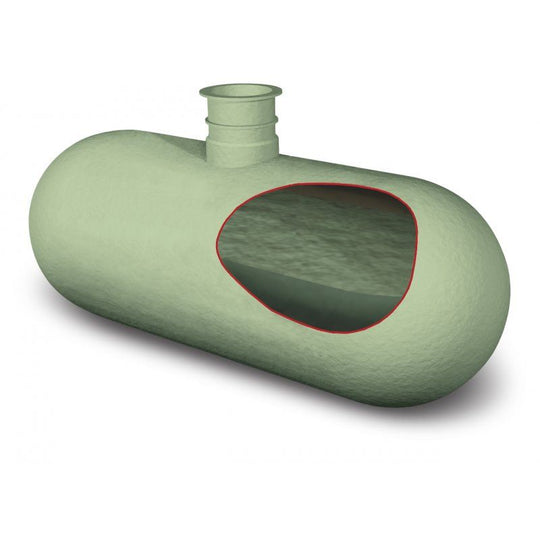
Clearwater 2,800 Litre Shallow Dig Cesspool
£1,272.00EX VAT · £1,526.40 INCView product
Clearwater 3,800 Litre Shallow Dig Septic Tank
£1,426.00EX VAT · £1,711.20 INCView product
Clearwater 3,800 Litre Shallow Dig Cesspool
£1,523.00EX VAT · £1,827.60 INCView product
Clearwater 4,800 Litre Shallow Dig Septic Tank
£1,655.00EX VAT · £1,986.00 INCView product
Clearwater 2800 Litre Silage Tank
£1,659.00EX VAT · £1,990.80 INCView product
Clearwater BioAir CW2 Sewage Treatment Plant - 6 Person
£1,743.00EX VAT · £2,091.60 INCView product
Clearwater 4,800 Litre Shallow Dig Cesspool
£1,768.00EX VAT · £2,121.60 INCView product
Clearwater Car Wash Silt Trap - 5 Tonnes
£1,769.00EX VAT · £2,122.80 INCView product


Talk to a
specialist
Sizing, regulations, installation. Our team has been answering these questions for over 25 years.
Clearwater FAQs
How do I size a Clearwater sewage treatment plant for my property?
Sizing is based on population equivalent (PE) — essentially the number of bedrooms plus expected occupancy, not just current household size. Clearwater plants are rated for specific daily flow rates, so it's worth sizing up slightly if you're planning an extension or expect the property to change hands. Undersizing risks poor treatment performance and non-compliance with discharge consents.
Do I need permission to install a Clearwater treatment plant?
Discharges to a watercourse or to ground via a drainage field generally need to be registered with, or permitted by, the Environment Agency (SEPA in Scotland, NRW in Wales). Most small domestic plants qualify for the general binding rules rather than a full permit, provided they meet the standards set out. Building Regulations approval is also required for the installation itself, so your installer or building control officer should confirm which route applies.
Does a Clearwater plant need mains electricity to work?
Yes — Clearwater sewage treatment plants are electromechanical systems that rely on a blower or aerator to introduce oxygen for the treatment process. A power supply needs to be run to the tank location, and this should be considered early in the groundworks planning. Battery or non-electric alternatives exist for off-grid sites but are a different product category with different capabilities.
How often does a Clearwater tank need emptying or servicing?
Sludge typically needs removing by a registered waste carrier around once a year, though this varies with occupancy and usage patterns. The mechanical components — blowers, air lines, diffusers — should be serviced annually by a qualified engineer to keep the plant within its performance specification and warranty terms. Skipping servicing is the most common cause of poor effluent quality and plant failure.
Can a Clearwater plant be installed where a septic tank used to be?
Often, yes, but the excavation usually needs enlarging as treatment plants are physically bigger than most septic tanks and require space for the electrical supply and access covers. You'll also need to check the discharge point — a treatment plant produces cleaner effluent than a septic tank, which can open up discharge options such as to a watercourse that weren't previously permitted. Ground conditions and water table should be reassessed rather than assuming the old siting is suitable.
What's the difference between Clearwater's GRP and polyethylene tank options?
GRP (glass-reinforced plastic) tanks are rigid, heavier and well suited to sites with higher groundwater or ground movement, and they resist flotation better once correctly ballasted. Polyethylene tanks are lighter, quicker to handle on site and generally more cost-effective, though they still require proper backfill and, in high water table areas, an anti-flotation strategy. Your installer should assess ground conditions before confirming which material suits your site.