SeasonalCollection

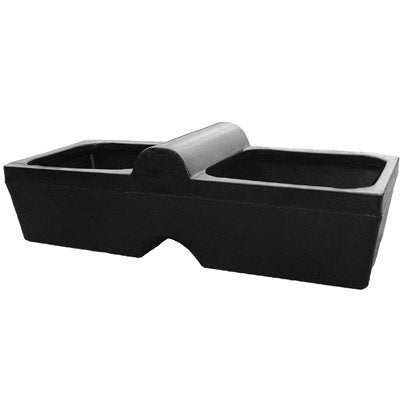
30 Gallon Cattle Drinker
£85.00EX VAT · £102.00 INCView product
250 Litre Marquee Weight
£133.00EX VAT · £159.60 INCView product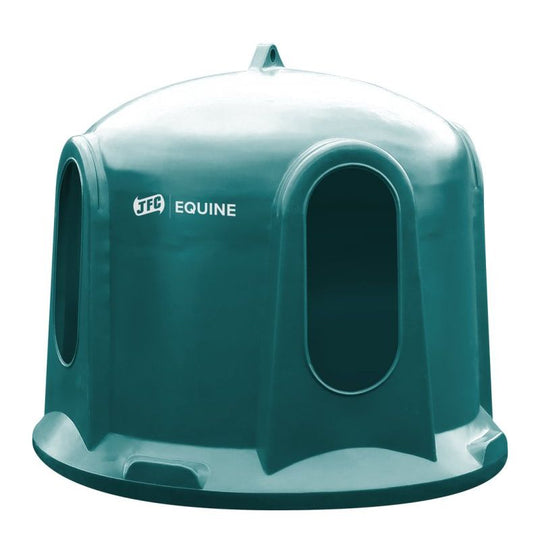
Horse Haybell Feeder
£427.00EX VAT · £512.40 INCView product
1250 Litre Baffled Water Tank, Flat
£494.00EX VAT · £592.80 INCView product
1250 Litre Baffled Water Tank
£494.00EX VAT · £592.80 INCView product
190 litre Sewage Pumping Station
£515.00EX VAT · £618.00 INCView product
Enduramaxx 10,000 Litre Non Potable Water Tank
£1,125.00EX VAT · £1,350.00 INCView product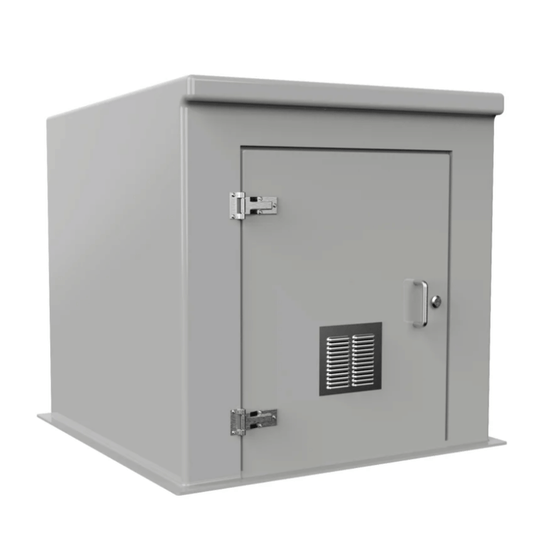
GRP Booster Enclosure PWH-1.2x1.2x1.2
£1,699.00EX VAT · £2,038.80 INCView product
Clearwater BioAir CW2 Sewage Treatment Plant - 6 Person
£1,743.00EX VAT · £2,091.60 INCView product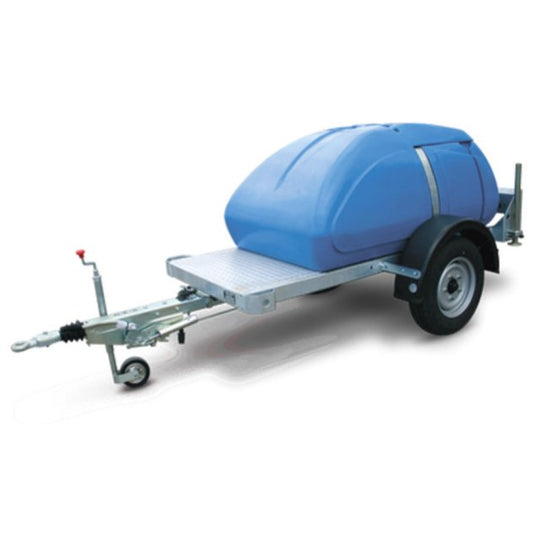
Western Global 1100 Litre Highway Water Bowsers
£2,750.00EX VAT · £3,300.00 INCView product
Tanks Direct 15,000 Litre Water Holding Tank
£3,500.00EX VAT · £4,200.00 INCView product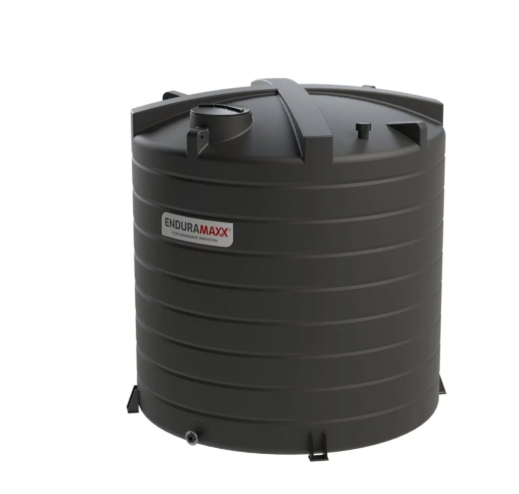
Enduramaxx 30,000 Litre Liquid Fertiliser Tank
£7,150.00EX VAT · £8,580.00 INCView product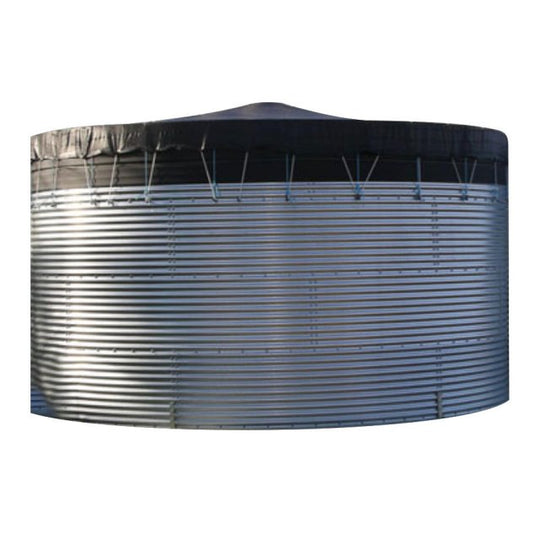
300,000 Litre Galvanised Steel Water Tank
£7,757.00EX VAT · £9,308.40 INCView product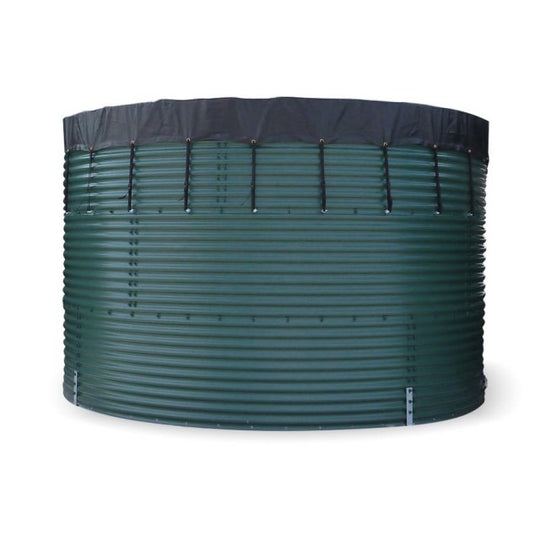
300,000 Litre Coated Steel Water Tank
POAPrice on applicationView product


Talk to a
specialist
Sizing, regulations, installation. Our team has been answering these questions for over 25 years.
Seasonal Collection FAQs
What sizes are available for seasonal rainwater or irrigation storage?
Our seasonal range spans from small 200-litre water butts for patio and greenhouse use up to 5,000-litre-plus above-ground tanks for allotments, polytunnels or livestock troughs. For garden irrigation, most domestic customers find 1,000–2,500 litres strikes a good balance between capacity and footprint. If you're unsure, work out your roof catchment area and average summer rainfall to size correctly rather than guessing.
Can these tanks be left outside over winter, or do they need draining down?
Polyethylene tanks in this range are UV-stabilised and can stay outdoors year-round, but any tank holding water in freezing conditions is at risk of ice expansion damage if filled to the brim. We recommend draining down to below 80% capacity before a hard frost, or fitting a simple insulation jacket for tanks that must stay full, such as those feeding an irrigation system.
Do I need planning permission or building regs sign-off for a seasonal above-ground tank?
Generally no — free-standing above-ground tanks used for non-potable water like garden irrigation or livestock don't require planning permission or building regs approval, as they're classed as temporary or moveable structures. If you're plumbing collected rainwater back into an outdoor tap system near the house, it's still worth keeping the supply clearly separate and labelled as non-potable.
What's the best base for a seasonal tank that only goes up for part of the year?
A level, compacted surface such as paving slabs, compacted MOT type 1, or a concrete pad is ideal, even for a tank you intend to move seasonally. Avoid setting a full tank directly on grass or soft ground, as uneven settling can stress the base and cause splitting. If the tank will be taken down each autumn, mark out and prepare the base once so it's ready to reinstate next spring without redoing groundworks.
Is water collected in a seasonal rainwater tank safe to use on vegetables or fruit crops?
Yes, rainwater harvested from a clean roof catchment is widely used for watering vegetable and fruit crops, provided it's applied to soil rather than directly onto edible leaves close to harvest. Fit a simple leaf filter or first-flush diverter on the inlet to keep debris and bird droppings out of the tank. This water is non-potable and shouldn't be used for drinking or washing produce meant to be eaten raw without further rinsing.
How far in advance should I order ahead of the spring/summer season?
Demand for seasonal tanks rises sharply from late winter through spring, so ordering in January or February secures the widest choice of sizes and avoids the peak-season lead time creep. Larger above-ground tanks and bunded units are made to order in some sizes, so check current lead times at checkout. If you need a tank plumbed in and ready before a specific date, build in a buffer for delivery and installation.