HorizontalBunded Diesel Dispensers
Dispensing diesel, horizontally sited.

Titan Fuelmaster - 1225 Litre Standard Bunded Diesel Tank
£1,649.00EX VAT · £1,978.80 INCView product
1300 Litre Slimline Bunded Fuel point
£1,725.00EX VAT · £2,070.00 INCView product
1500 Litre Bunded Diesel Dispensing Tank
£1,916.00EX VAT · £2,299.20 INCView product
Titan Fuelmaster - 1225 Litre Advanced Bunded Diesel Tank
£1,969.00EX VAT · £2,362.80 INCView product
1300 Litre Slimline Bunded Plastic Diesel Fuel Storage and Dispensing Tank
£2,260.00EX VAT · £2,712.00 INCView product
Titan Fuelmaster - FM2500 Standard - 2500 Litre Bunded Diesel Tank
£2,029.00EX VAT · £2,434.80 INCView product
2500 Litre Diesel Tank
£2,399.00EX VAT · £2,878.80 INCView product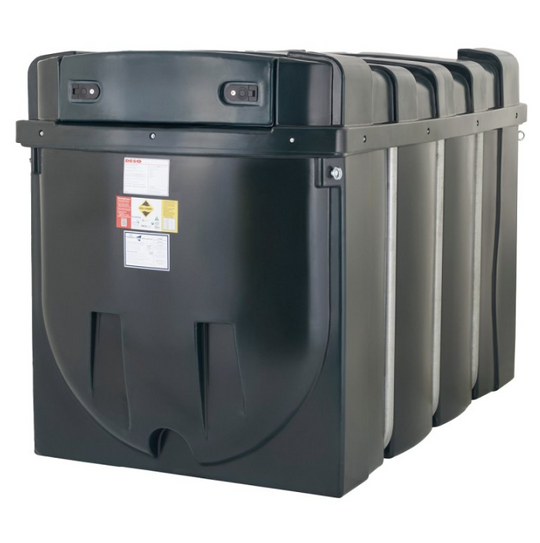
2500 Litre Bunded Diesel Dispensing Tank, H2500PDD
£2,141.00EX VAT · £2,569.20 INCView product
2500 Litre Slimline Bunded Fuel point
£2,350.00EX VAT · £2,820.00 INCView product
2500 Litre Slimline Bunded Diesel Tank
£2,735.00EX VAT · £3,282.00 INCView product


Talk to a
specialist
Sizing, regulations, installation. Our team has been answering these questions for over 25 years.
Horizontal Bunded Diesel Dispensers FAQs
What does "bunded" mean and why is it essential for diesel storage?
Bunded means the dispenser has an integral secondary containment skin (usually rated to hold 110% of the inner tank's capacity) that catches any leaks or spills before they reach the ground. For diesel storage above 200 litres at most commercial sites, bunding is a legal requirement under the Oil Storage Regulations. It's also simply good practice — a single leak into soil or a drain can mean a very costly clean-up.
What size dispenser do I need for my fleet or plant?
It depends on how often you refuel and how many vehicles or machines you're supporting. Smaller 1,000–2,500 litre units suit farms, small hauliers or single-site plant hire, while 5,000 litre-plus tanks are better for busy depots or construction sites with daily refuelling. As a rule of thumb, size for at least two to four weeks' worth of consumption so you're not relying on frequent top-up deliveries.
Are these dispensers suitable for permanent outdoor installation?
Yes — horizontal bunded dispensers are designed to sit outdoors year-round, typically constructed from steel with a weatherproof powder-coated finish, or in GRP/polyethylene for corrosion resistance. They still need a stable, level, load-bearing base (usually concrete or compacted hardstanding) and should be sited away from watercourses and drains in line with Environment Agency guidance.
Do I need planning permission or an Environment Agency notification?
Most standalone bunded diesel dispensers for private or trade use don't need planning permission, but this depends on tank size, location and whether you're within a designated area such as a groundwater source protection zone. You're legally required to notify the Environment Agency if you're storing diesel near a watercourse or in a flood risk area, and larger installations may fall under the Control of Pollution (Oil Storage) Regulations. It's worth checking with your local authority or the Environment Agency before installing a large-capacity unit.
What pump and metering options come with these dispensers?
Most units come fitted with either a 12V/230V electric pump or a manual hand pump, delivering flow rates typically between 40 and 70 litres per minute depending on the model. Many include a digital fuel meter to track litres dispensed, which is useful for stock control and cost allocation across vehicles or jobs. An automatic cut-off nozzle is standard on most models to prevent overfilling and spillage.
How is the dispenser delivered and is offloading included?
Dispensers are delivered on a flatbed or curtain-sided vehicle and, due to their weight, are usually kerbside deliveries requiring a forklift, HIAB or similar plant to offload — this is normally the customer's responsibility unless otherwise arranged. It's worth confirming access at the delivery point, as narrow gateways or soft ground can make offloading difficult. Locking, keyed cabinets are fitted as standard to most units to secure the pump and prevent unauthorised access or fuel theft once installed.