DutyPoint
Dutypoint pump systems.

MicroBOOST MAX
£1,030.00EX VAT · £1,236.00 INCView product
VARiFLO Featuring Lowara Single Booster Pump with Variable Speed controller | 50 l/min @ 3.3 Bar
£1,377.00EX VAT · £1,652.40 INCView product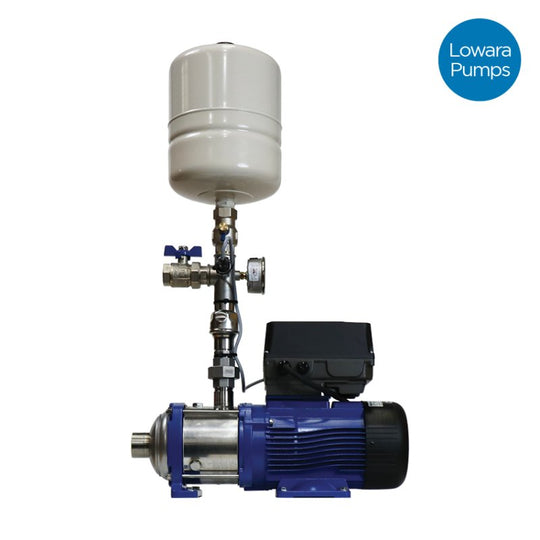
VARiFLO Featuring Lowara Single Booster Pump with Variable Speed controller | 50 l/min @ 4.8 Bar
£1,422.00EX VAT · £1,706.40 INCView product
VARiFLO Featuring Lowara Single Booster Pump with Variable Speed controller | 85 l/min @ 3.7 Bar
£1,470.00EX VAT · £1,764.00 INCView product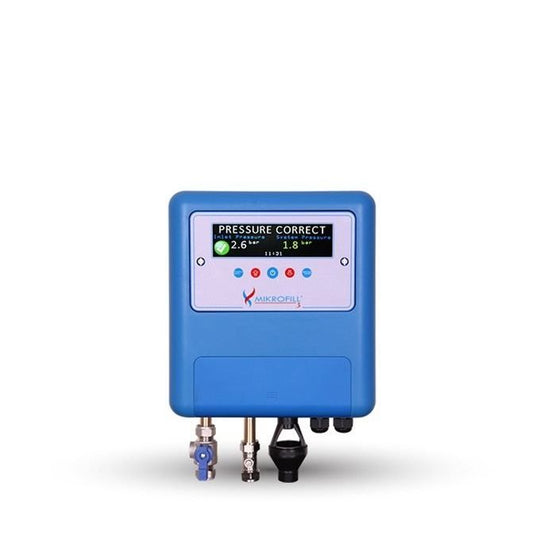
Mikrofill 3 Single Pressurisation Unit
£1,490.00EX VAT · £1,788.00 INCView product
VARiFLO Featuring Lowara Single Booster Pump with Variable Speed controller | 85 l/min @ 5.1 Bar
£1,565.00EX VAT · £1,878.00 INCView product
Mikrofill 12 Pressurisation Set with 12 Litre vessel and Service Valve
£1,565.00EX VAT · £1,878.00 INCView product
Mikrofill 8 Pressurisation Set with 8 Litre vessel and Service Valve
£1,565.00EX VAT · £1,878.00 INCView product
Mikrofill 18 Pressurisation Set with 18 Litre vessel and Service Valve
£1,570.00EX VAT · £1,884.00 INCView product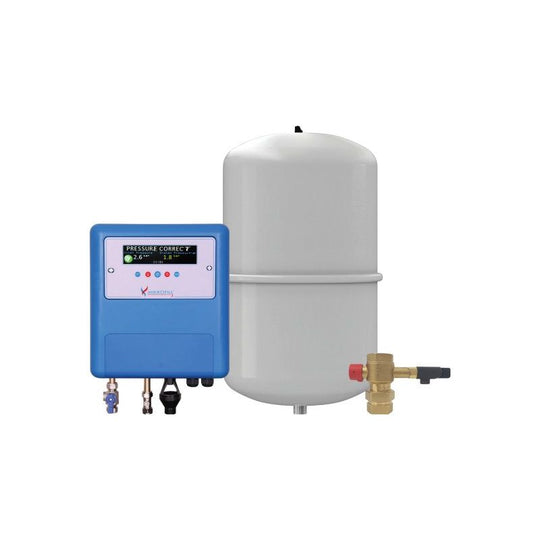
Mikrofill 24 Pressurisation Set with 24 Litre vessel and Service Valve
£1,570.00EX VAT · £1,884.00 INCView product
Mikrofill 35 Pressurisation Set with 35 Litre vessel and Service Valve
£1,585.00EX VAT · £1,902.00 INCView product
Mikrofill 50 Pressurisation Set with 50 Litre vessel and Service Valve
£1,590.00EX VAT · £1,908.00 INCView product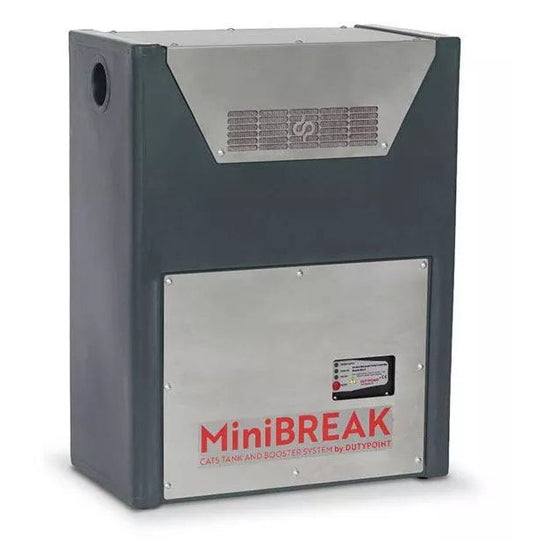
MiniBREAK MB1-38M-S
£1,619.00EX VAT · £1,942.80 INCView product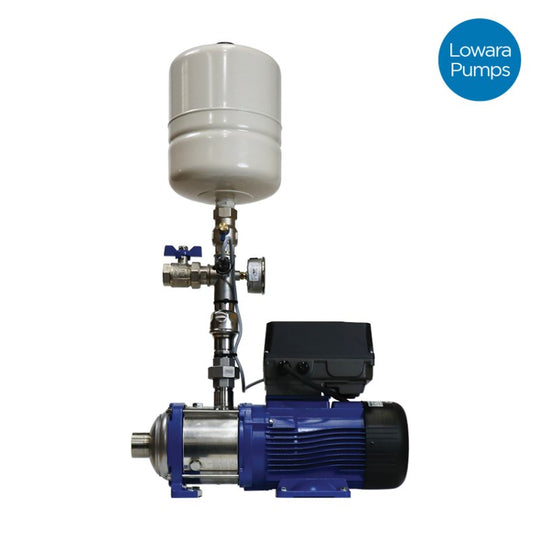
VARiFLO Featuring Lowara Single Booster Pump with Variable Speed controller | 165lpm @ 3.7 Bar
£1,649.00EX VAT · £1,978.80 INCView product
Mikrofill 80 Pressurisation Set with 80 Litre vessel and Service Valve
£1,650.00EX VAT · £1,980.00 INCView product


Talk to a
specialist
Sizing, regulations, installation. Our team has been answering these questions for over 25 years.
Duty Point FAQs
What does "duty point" actually mean when choosing a pump station?
The duty point is the specific combination of flow rate (litres per second or cubic metres per hour) and total head (the vertical lift plus friction losses in the pipework) that a pump needs to deliver for your installation. Every pump has a performance curve, and the duty point is where your system's requirements intersect that curve. Getting this wrong means a pump that either can't cope or short-cycles and wears out prematurely.
How do I calculate the duty point for my sewage or surface water pump station?
You need two figures: static head (the vertical distance from pump to discharge point) and dynamic head (friction losses from pipe length, diameter, bends and valves), plus your required flow rate based on peak usage or rainfall data. Add these together to get total dynamic head, then match it against the pump curve at your target flow. If you're not confident with the calculation, send us your invert levels, discharge distance and pipe run and we can help you specify correctly.
Should I choose a single pump or duplex (twin pump) station?
A single pump station is fine for low-risk domestic applications where occasional downtime for repair or blockage clearance is manageable. Duplex stations run two pumps that alternate duty, giving built-in redundancy and higher flow capacity — essential for commercial sites, larger developments or anywhere a pump failure would cause flooding or drainage back-up. Building control or your drainage engineer will often specify duplex for anything beyond a single dwelling.
What control panel and alarm features do I need on a duty point pump station?
As a minimum you want high-level alarm (audible and visual) to warn of rising levels before overflow, and most stations also include auto/manual override switching. Duplex stations need an alternating control panel so both pumps share the workload evenly and wear at the same rate. For unattended or commercial sites, consider a panel with volt-free contacts for connection to a BMS or telemetry system.
What pipe diameter and rising main length affect my duty point selection?
Narrower rising mains and longer pipe runs increase friction losses, which adds to the dynamic head the pump must overcome — this can push you into needing a larger pump than the static lift alone suggests. As a rule, undersizing the rising main to save cost often costs more long-term in pump wear and energy use. Always confirm your actual pipe run and any bends before finalising pump selection.
Can I install a duty point pump station myself, or do I need a specialist?
The tank and chamber can often be installed by a competent groundworker following our installation guidance, but electrical connection to the pump and control panel must be carried out by a qualified electrician, and Part P/building regs compliance applies. For sewage pump stations discharging to a public sewer, you'll also need a Section 106 agreement with your water company. We recommend involving your installer early so the duty point and chamber depth match your actual site conditions.