Triple
Triple-pump configurations.
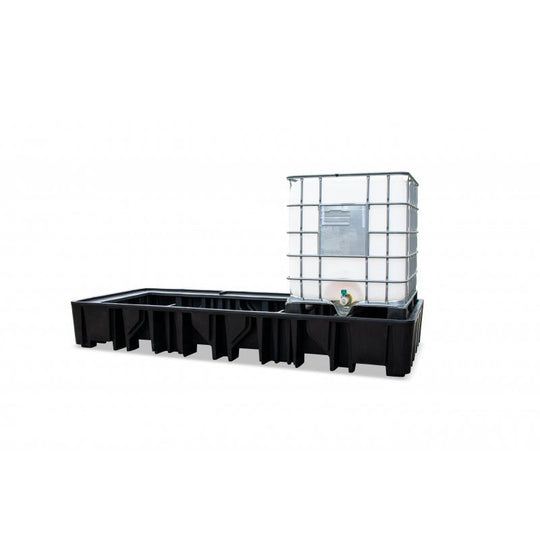
Platformless Triple IBC Bund
£2,590.00EX VAT · £3,108.00 INCView product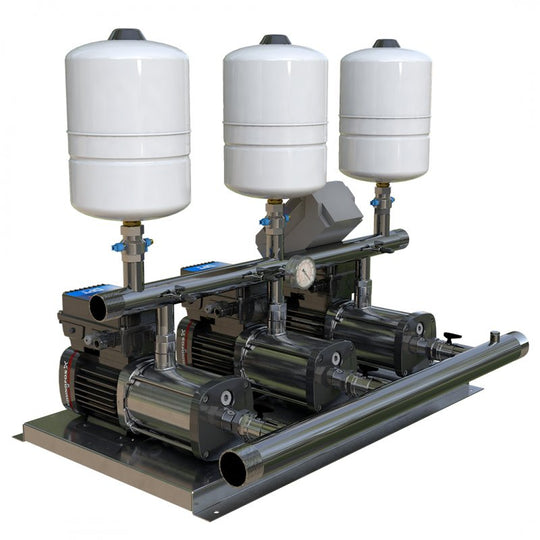
Vari-Rs Featuring Grundfos Triple booster Pump With TD Variable Speed Controller, 108L/MIN @ 4.5 BAR
£5,111.00EX VAT · £6,133.20 INCView product
Vari-Rs Featuring Grundfos Triple booster Pump With TD Variable Speed Controller, 108L/MIN @ 6.5 BAR
£5,355.00EX VAT · £6,426.00 INCView product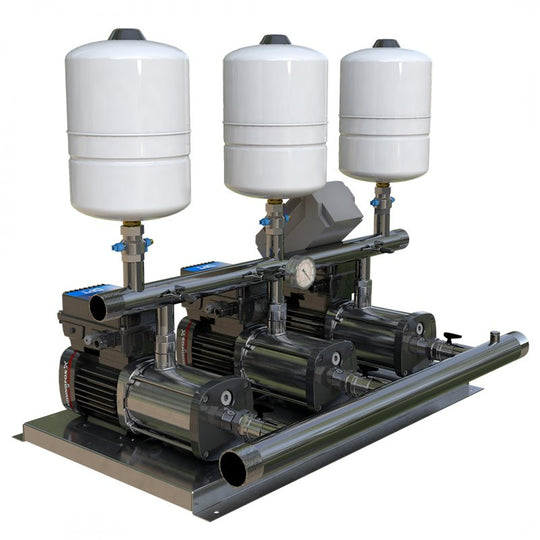
Vari-Rs Featuring Grundfos Triple booster Pump With TD Variable Speed Controller,162L/MIN @ 6.5 BAR
£5,577.00EX VAT · £6,692.40 INCView product
Vari-Rs Featuring Grundfos Triple booster Pump With TD Variable Speed Controller 375L/MIN @ 4.5 BAR
£5,959.00EX VAT · £7,150.80 INCView product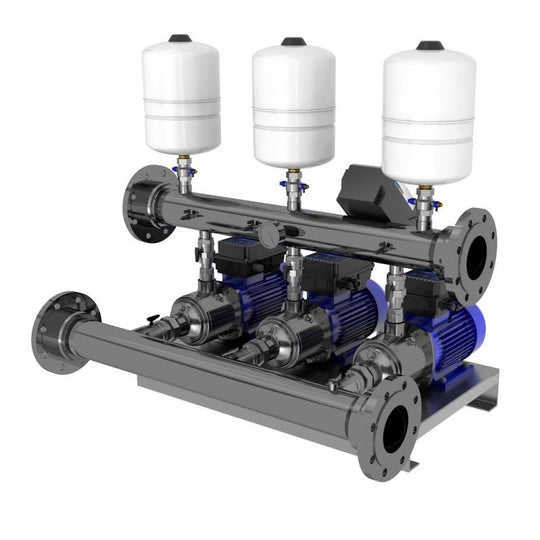
Triple Variable Speed Booster Set MX18-4 900L/Min @ 3.25 Bar
£8,055.00EX VAT · £9,666.00 INCView product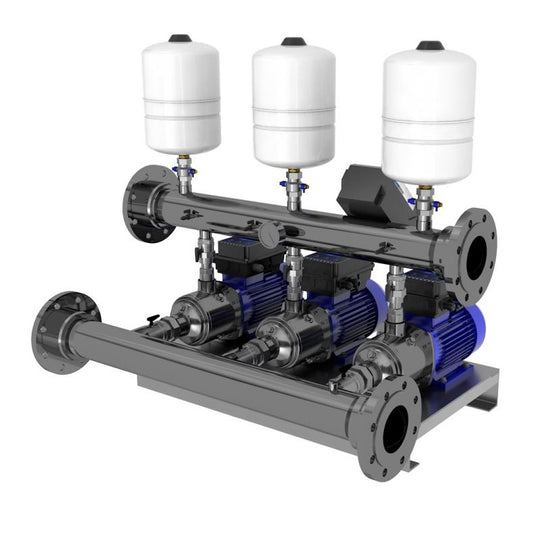
Triple Variable Speed Booster Set MX18-5 900L/Min @ 4.0 Bar
£8,255.00EX VAT · £9,906.00 INCView product
Triple Variable Speed Booster Set MX18-6 900L/Min @ 5.0 Bar
£8,770.00EX VAT · £10,524.00 INCView product


Talk to a
specialist
Sizing, regulations, installation. Our team has been answering these questions for over 25 years.
Triple FAQs
What does "triple chamber" actually mean on these tanks?
A triple chamber tank splits the vessel into three separate stages, allowing solids to settle out progressively as effluent passes through each compartment before discharge. This staged settlement gives better quality final effluent than a single or two-chamber design, which is why triple chamber septic tanks are widely specified for off-mains drainage systems. Each chamber is accessed via its own manhole for inspection and emptying.
How do I size a triple chamber septic tank for my property?
Sizing is based on the number of bedrooms or occupants, following the formula in Building Regulations Part H and BS EN 12566. As a guide, a typical household of up to four people needs a minimum 2,700-litre tank, with capacity increasing for each additional occupant. It's worth sizing generously if you're planning an extension or extra bedrooms, since replacing an undersized tank later is far more disruptive than installing one slightly larger now.
Do I need permission from the Environment Agency to install one?
If your triple chamber septic tank discharges to a soakaway or drainage field, you'll usually need to register the discharge under the general binding rules rather than apply for a full permit, provided you meet the conditions (volume limits, distance from watercourses, etc.). If you're discharging directly to a ditch, stream or other surface water, you will need Environment Agency permission. Always check current guidance before installation, as rules on soakaways and groundwater protection can affect siting.
Are triple chamber tanks made from GRP or polyethylene, and does it matter?
Both materials are used across our range — GRP (fibreglass) tanks are rigid, heavy and well suited to sites with high water tables or unstable ground once properly ballasted, while polyethylene tanks are lighter, easier to manoeuvre on tricky access sites and generally more cost-effective. Both are durable when installed correctly, so the choice usually comes down to site conditions, access, and installer preference rather than performance differences in the tank itself.
What groundworks and installation steps should I budget for?
Installation involves excavating to the correct depth, laying a concrete base or pea-shingle bed depending on the manufacturer's specification, and backfilling correctly to avoid tank distortion — this is particularly important for lighter polyethylene tanks, which need proper anchoring against flotation in high groundwater. You'll also need to run inlet and outlet pipework to the correct falls, and position manholes so all three chambers remain accessible for future emptying. We'd always recommend using an installer familiar with the specific tank's fitting instructions rather than treating it as a generic groundworks job.
How often does a triple chamber septic tank need emptying?
Most households need their tank emptied roughly once a year, though this varies with occupancy levels, water usage and tank size. Because the triple chamber design settles solids in stages, regular emptying of the first chamber is particularly important to stop solids carrying over and clogging the later stages or the drainage field. Skipping emptying is the most common cause of septic tank failure, so it's worth setting a reminder rather than waiting for problems to show.