SolarAccessories
Complete your solar setup.

Solar Catchment Tank
£97.71EX VAT · £117.25 INCView product
3 Pole Isolator Switch
£102.03EX VAT · £122.44 INCView product
Tyfocor 20l Liquid
£117.77EX VAT · £141.32 INCView product
Heating / Solar Pump Station Pump
£184.55EX VAT · £221.46 INCView product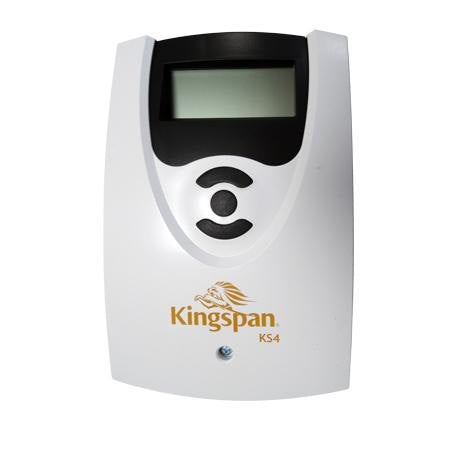
KS4 Solar Controller
POAPrice on applicationView product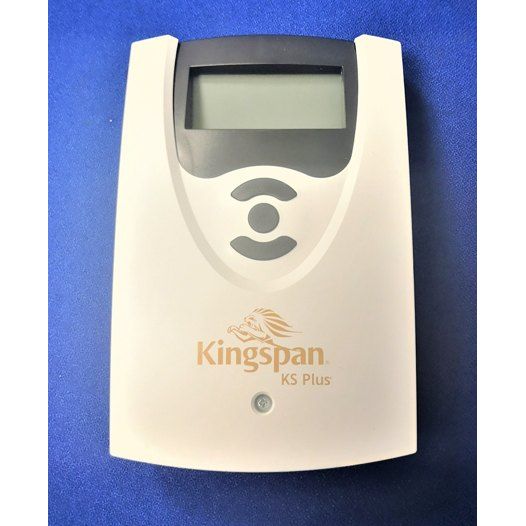
KS Plus Solar Controller
£259.08EX VAT · £310.90 INCView product
Ecosom E Solar Water Pump Set Up
£3,573.86EX VAT · £4,288.63 INCView product


Talk to a
specialist
Sizing, regulations, installation. Our team has been answering these questions for over 25 years.
Keep tapping into the sun's clean energy to manage your water requirements sustainably with solar accessories from Tanks Direct. Investing in solar water accessories is a smart decision for the environment and your wallet, as a well-maintained system will last much longer and save you money on your water bills.
We offer a variety of solar-powered water pump kits, perfect for a range of applications. Whether you need to transfer water from a well or rainwater tank, irrigate your garden, or create a water feature, we have a kit to suit your needs. These kits typically include everything you need for installation, making it easy to set up your own solar water pumping system. And you'll find everything you need to keep your system running smoothly, from replacement filters and control panels to pressure switches and connection hoses. Our wide selection ensures you can find the specific parts compatible with your existing system.
We offer additional accessories that can enhance its functionality. Explore our selection of solar panels, flow meters, and even complete tank and pump system bundles to truly customise your water management solution. Browse our range and discover how Tanks Direct can help you harness the power of the sun for a more sustainable and cost-effective approach to water management.
Solar Accessories FAQs
How do I size a solar pump kit for my application?
You need to know your required flow rate, the total head (vertical lift plus friction losses in pipework), and how many hours of usable sunlight your site gets. For irrigation or livestock troughs, undersizing the panel is the most common mistake, as cloudy days will noticeably reduce output. If you're unsure, give us your pipe run, lift height and daily volume requirement and we can help you match a kit.
Do solar water pumps work without direct sunlight or on cloudy days?
Most solar pump kits will still run on overcast days, but output drops considerably as panel voltage and current fall. Systems paired with a battery or a controller with low-light optimisation cope best, maintaining a trickle flow rather than stopping entirely. For applications needing guaranteed daily volume regardless of weather, we'd recommend a kit with battery backup or a larger panel array to build in headroom.
Can I use a solar pump kit to move water from a borehole or well?
Yes, submersible solar pump kits are widely used for borehole and well abstraction, but check the pump's maximum submersion depth and lift capacity against your well's static and dynamic water levels. You'll also need a controller suited to submersible operation, as surface pumps aren't designed for continuous immersion. Always check whether your abstraction requires an Environment Agency licence before installing.
What maintenance do solar water pump systems need?
Panels should be kept clean and free of debris, algae or bird fouling, as even light shading drastically cuts output. Filters need periodic checking and rinsing to prevent the pump running dry or clogging, and it's worth inspecting hose connections and seals each season for wear. A well-maintained system will run reliably for many years, so it's worth budgeting a few minutes of checks each month.
Are the replacement parts and accessories compatible with any solar pump, or only specific brands?
Components like filters, pressure switches, control panels and connection hoses are generally sized to fit specific pump ranges and thread standards, so compatibility isn't universal. Check the specification of your existing pump and controller before ordering replacements, particularly voltage rating and connector type. If you're not sure a part will fit your current setup, contact us with your model details and we'll confirm before you buy.
Do I need planning permission or any consents to install a solar water pump system?
For most domestic garden, pond or small-scale irrigation setups, no planning permission is needed as the equipment is low-profile and non-permanent. However, larger ground-mounted panel arrays, borehole abstraction above certain volumes, or installations in conservation areas may require separate consents. It's worth checking with your local authority and, where relevant, the Environment Agency before starting installation.