SiltTraps
Capture sediment before drainage.
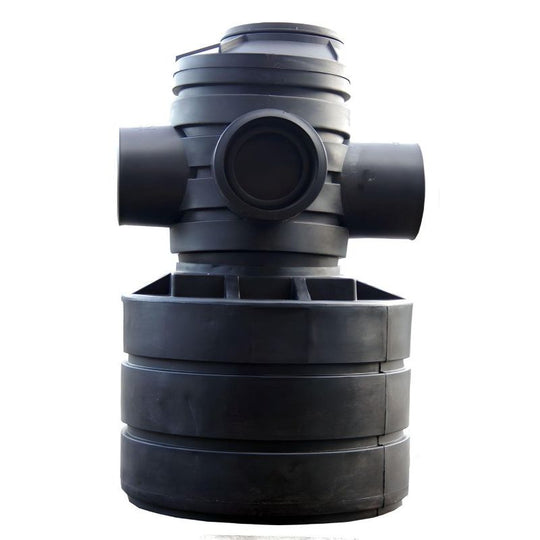
Geoceptor Bypass Separator - NSB 8 4444 sqm
£1,230.00EX VAT · £1,476.00 INCView product
Geoceptor Bypass Separator - NSB 12.5 6940 sqm
£1,565.00EX VAT · £1,878.00 INCView product
Geoceptor Bypass Separator - NSB 15 8333 sqm
£1,665.00EX VAT · £1,998.00 INCView product
Geoceptor Bypass Separator - NSB 18 10000 sqm
£2,165.00EX VAT · £2,598.00 INCView product
Klargester Forecourt Separator
£3,599.00EX VAT · £4,318.80 INCView product


Talk to a
specialist
Sizing, regulations, installation. Our team has been answering these questions for over 25 years.
Prevent unwanted debris, like silt, sediment and oil, from entering your soakaway with a silt trap from Tanks Direct. If too much silt and debris enters your water storage system it will cause damage, interfere with your system's ability to remove water, clog pipes, fill soakaway systems and reduce their capacity for holding water. If the water cannot drain away, you risk causing flooding and creating costly damage. A silt trap will prevent unwanted materials flowing into the system allowing only filtered water to flow through. Place your silt trap upstream of your soakaway crate, where it can temporarily contain the water in the trap and allow unwanted materials to settle to the bottom. With the sediment and water separated, the filtered water can flow on through to your system. We stock a wide range of silt traps in various sizes from leading brands including Klargester and Clearwater.
Silt Traps FAQs
Where should a silt trap be positioned in a drainage system?
A silt trap should always be installed upstream of your soakaway crate or attenuation tank, catching water before it reaches the main storage system. This allows silt, sediment and grit to settle out in the chamber before the filtered water continues on. Typical locations include car parks, driveways, roof drainage runs and yard areas where surface water picks up debris.
What size silt trap do I need?
Sizing depends on the catchment area draining into the trap and the amount of silt or debris expected — a small domestic driveway needs far less capacity than a commercial car park or yard. As a guide, larger paved areas or sites prone to heavy debris should use a bigger chamber to reduce how often it needs emptying. If you're unsure, get in touch with our team with your site details and we can help you pick an appropriately sized unit.
How often does a silt trap need to be emptied?
This varies with usage and the amount of silt entering the system, but most domestic silt traps are checked and emptied every 6 to 12 months. Commercial or high-debris sites, such as car parks or yards with lots of loose material, may need more frequent attention. Regular inspection is the best way to avoid the trap filling up and losing its effectiveness.
Are silt traps suitable for both domestic and commercial use?
Yes, we stock silt traps across a range of sizes to suit everything from a single domestic driveway through to larger commercial car parks and yards. Brands like Klargester and Clearwater offer units designed for different flow rates and catchment sizes. Choosing the right one comes down to the area being drained and how much silt and debris is expected.
Do I need planning permission or building regulations approval to install a silt trap?
Silt traps themselves don't usually require planning permission, but they're often installed as part of a wider drainage or soakaway system that may fall under building regulations, particularly Part H. If your project involves connecting to a new soakaway or altering existing surface water drainage, it's worth checking with your local building control or a drainage professional before work starts.
Can a silt trap remove oil as well as silt?
A standard silt trap is designed primarily to capture silt, sediment and solid debris by allowing it to settle out of the water flow, and many units also provide a degree of oil separation as a secondary function. However, if your site regularly discharges significant oil or fuel contamination, such as a workshop or fuel storage area, you should look at a dedicated oil separator or interceptor to meet environmental requirements. Get in touch if you're not sure which is right for your site.