ShallowDig Septic Tanks
Low-profile, easier to install.
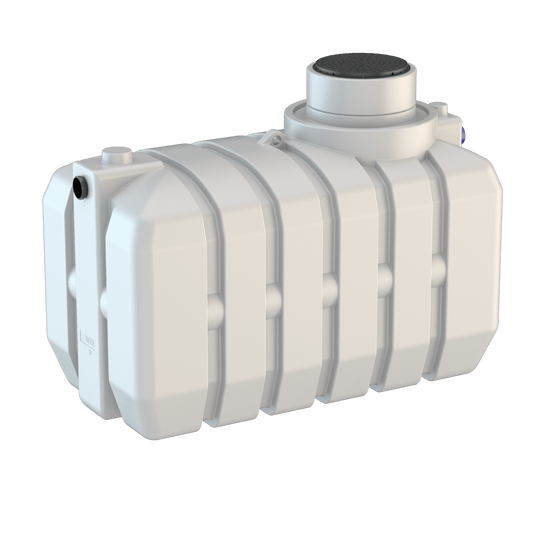
WTE EPIC 6 Person - 3100 Litre Shallow Dig Septic Tank
£950.00EX VAT · £1,140.00 INCView product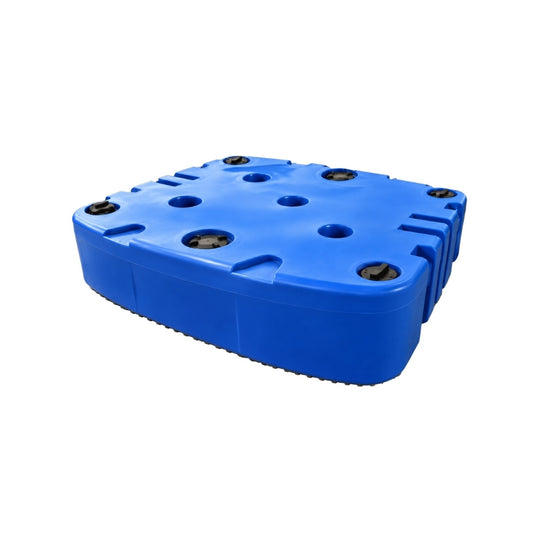
2250 Litre Above Ground Effluent Tank
£1,100.00EX VAT · £1,320.00 INCView product
Klargester Gamma 2,800 Litre Septic Tank - Single Stage
£1,152.00EX VAT · £1,382.40 INCView product
Clearwater 2,800 Litre Shallow Dig Septic Tank
£1,190.00EX VAT · £1,428.00 INCView product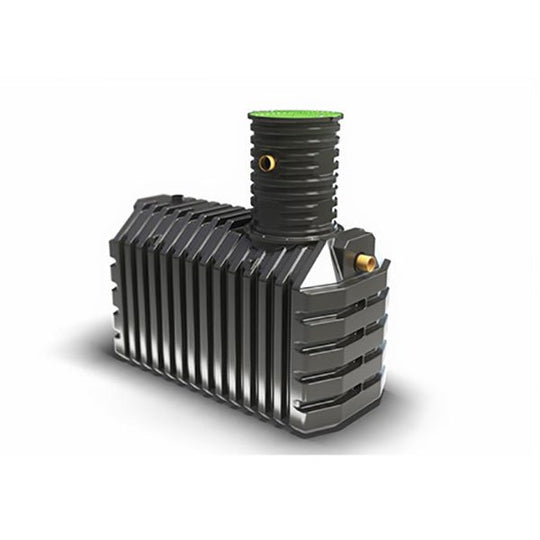
Klargester Gamma 2,800 Litre Septic Tank - Twin Stage
£1,242.00EX VAT · £1,490.40 INCView product
Klargester Gamma 3,500 Litre Septic Tank - Single Stage
£1,296.00EX VAT · £1,555.20 INCView product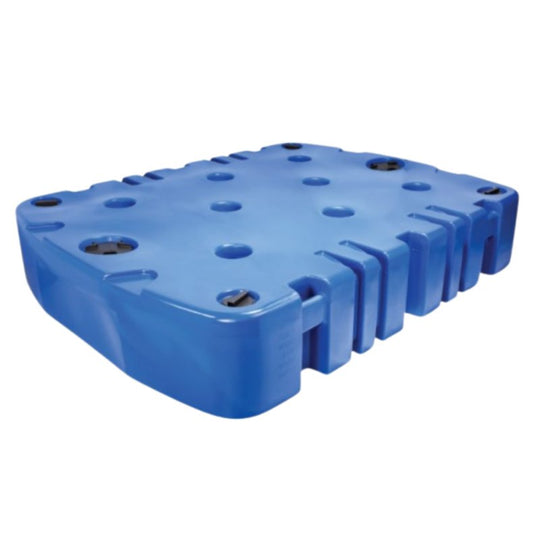
2650 Litre Above Ground Effluent Tank
Sale price£1,300.00Regular price£1,398.00EX VAT · £1,560.00 INCView product
Klargester Gamma 3,500 Litre Septic Tank - Twin Stage
£1,422.00EX VAT · £1,706.40 INCView product
Clearwater 3,800 Litre Shallow Dig Septic Tank
£1,426.00EX VAT · £1,711.20 INCView product
Klargester Gamma 4,000 Litre Septic Tank - Single Stage
£1,431.00EX VAT · £1,717.20 INCView product
2,500 Litre Cabin Waste Water/ Effluent tank
£1,550.00EX VAT · £1,860.00 INCView product
Klargester Gamma 4,000 Litre Septic Tank - Twin Stage
£1,584.00EX VAT · £1,900.80 INCView product
Clearwater 4,800 Litre Shallow Dig Septic Tank
£1,655.00EX VAT · £1,986.00 INCView product
Clearwater 5,700 Litre Shallow Dig Septic Tank
£1,795.00EX VAT · £2,154.00 INCView product
Clearwater 7,150 Litre Shallow Dig Septic Tank
£2,206.00EX VAT · £2,647.20 INCView product
Clearwater 9,150 Litre Shallow Dig Septic Tank
£2,509.00EX VAT · £3,010.80 INCView product


Talk to a
specialist
Sizing, regulations, installation. Our team has been answering these questions for over 25 years.
Shallow dig septic tanks are the ideal wastewater solution for properties with high water tables or challenging ground conditions. Our shallow dig septic tanks are specifically designed to provide efficient wastewater treatment while requiring minimal excavation depth, making them perfect for areas where traditional deep installation is impractical or impossible. Our selection of shallow dig septic tanks includes various sizes and capacities to suit different household needs, from small dwellings to larger properties. These tanks are engineered with advanced technology to ensure optimal performance despite their reduced depth. They are built from materials resistant to corrosion and ground pressure, ensuring longevity and reliability. Many of our models come with built-in effluent filters to improve the quality of discharged water and reduce maintenance requirements.
At Tanks Direct, we offer expert guidance to help you select the perfect shallow dig septic tank for your property. Our tanks are compliant with current environmental regulations and come with comprehensive installation instructions.
Shallow Dig Septic Tanks FAQs
What actually makes a septic tank "shallow dig"?
Shallow dig tanks are designed with a reduced overall height and repositioned inlet/outlet levels, so they can be installed with significantly less excavation than a standard tank of the same capacity. This makes them suitable for sites with a high water table, shallow bedrock, or where deep digging risks structural damage to nearby buildings. The treatment capacity and performance are unaffected — only the installation depth changes.
How do I know if I need a shallow dig tank rather than a standard one?
If a trial hole shows groundwater or solid rock within a metre or so of the surface, a standard-depth tank may not be practical or could float or shift once installed. Shallow dig tanks are also useful where invert levels from the property are already quite high, avoiding costly excessive pipe falls. Your groundworker or installer should confirm ground conditions before you order, as this affects tank choice as much as household size.
What sizes are available and how do I choose the right capacity?
Shallow dig septic tanks are available across the same range of population sizes as standard tanks, typically from small 4-6 person dwellings up to larger multi-occupancy properties. Sizing is based on the number of people the property serves, not just bedrooms, so holiday lets and multi-generational households should size up accordingly. We can help you cross-reference household occupancy against manufacturer capacity charts to get this right first time.
Do shallow dig septic tanks still need a soakaway or drainage field?
Yes — a septic tank only settles solids, so treated effluent still needs to discharge to a drainage field for further treatment in the soil, exactly as with standard-depth tanks. Because ground conditions prompting a shallow dig install (high water table, rock) can also affect drainage field performance, a percolation test is essential before finalising your design. In some cases a raised or mound drainage field is needed alongside the shallow tank.
What are shallow dig tanks made from, and will they cope with ground pressure?
Most shallow dig septic tanks are manufactured from GRP (glass-reinforced plastic) or high-density polyethylene, both chosen for their strength-to-weight ratio and resistance to corrosion, ground movement and chemical attack from effluent. Despite their reduced height, the tank walls and ribbing are engineered to withstand the same groundwater and soil loading as deeper models. Correct backfill material and compaction during installation is still critical to long-term structural performance.
Do shallow dig septic tanks meet current building regulations and environmental standards?
Yes, our shallow dig tanks are manufactured to meet the relevant British and European standards and comply with the General Binding Rules for small sewage discharges in England and Wales. You'll still need to register the discharge with the Environment Agency (or SEPA/NRW as applicable) if you don't already have consent, and installation must follow the manufacturer's guidelines and current Building Regulations Part H. We supply full installation instructions with every tank to support your building control submission.