RainwaterHarvesters Accessories / Spares
Harvesting system spares.

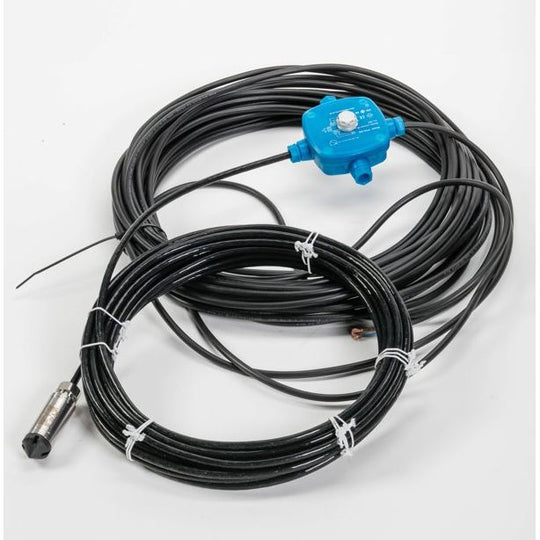
Rainwater Cable Kit - 20M
£316.68EX VAT · £380.02 INCView product
Volume Filter
£320.00EX VAT · £384.00 INCView product
3P Volume Filter Combi
£342.00EX VAT · £410.40 INCView product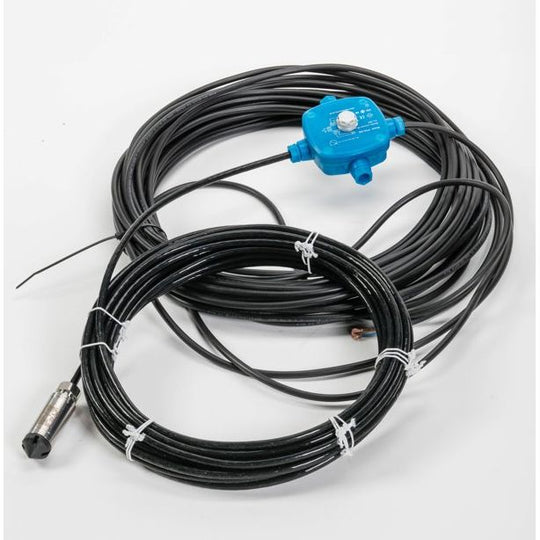
Sensor Depth Probe 50m
£425.88EX VAT · £511.06 INCView product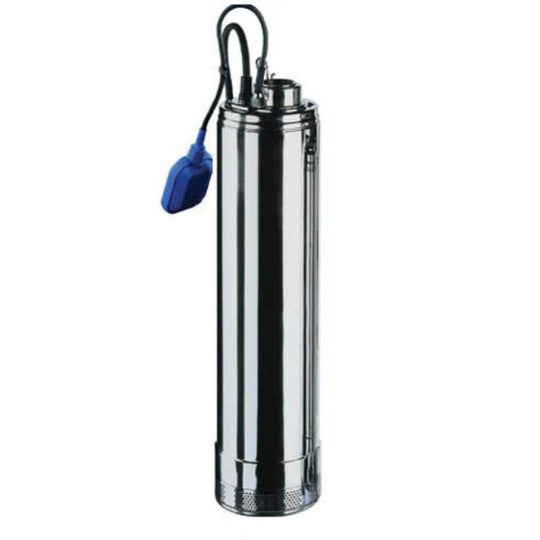
Ebara Idrogo AUTO pump
£687.91EX VAT · £825.49 INCView product
Twin Filter
£763.00EX VAT · £915.60 INCView product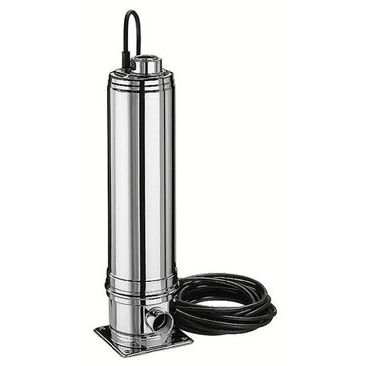
Ebara Multigo Pump M40/08
£1,120.17EX VAT · £1,344.20 INCView product


Talk to a
specialist
Sizing, regulations, installation. Our team has been answering these questions for over 25 years.
Keep your rainwater harvesting system in tip-top shape with our wide range of parts and accessories. We have everything from filters and gauges to hoses and valves. Whether you're looking for a specific replacement part or just browsing for ways to improve your system's efficiency, we have what you're looking for.
We also stock a variety of helpful accessories that can make your rainwater harvesting system even more effective. For example, we stock rain sensors that can automatically shut off your system when your tank is full, helping to prevent overflows. We also offer pressure transducers that can monitor the water pressure in your system, and solenoid valves that can be used to control the flow of water.
To remove impurities from your rainwater, why not choose from our selection of inline filters that help to protect your system from damage and ensure that your rainwater is clean and safe to use. Our rainwater display panels put real-time information about your rainwater harvesting system at your fingertips. It lets you see how much rainwater you've collected, helping you make informed decisions about water usage and maximising the benefits of your sustainable system.
Rainwater Harvesters Accessories / Spares FAQs
How often should I replace the inline filter on my rainwater harvesting system?
Most inline filters need checking every three to six months, though this varies with roof debris levels and rainfall. A clogged filter restricts flow and can force your system to draw on mains backup unnecessarily, so it's worth inspecting after heavy autumn leaf-fall or storms. Many of our filters have a clear housing or removable cartridge, making the check quick and mess-free.
Will these accessories fit my existing tank, or are they brand-specific?
Most of our filters, valves and gauges use standard thread sizes and fittings, so they'll fit the majority of rainwater harvesting tanks on the market. That said, pump controllers, float switches and display panels are sometimes matched to a specific control system, so it's best to check your existing part's model or connection type before ordering. If you're unsure, contact us with your tank make and installation date and we'll help you find a compatible spare.
What does a rain sensor actually do, and is it worth fitting one?
A rain sensor monitors tank level and automatically shuts off the inflow or diverts water once the tank reaches capacity, preventing overflow and reducing strain on overflow pipework. It's a sensible addition for unattended systems, particularly on larger domestic or commercial tanks where overflow could cause pooling or damage nearby. Fitting one is straightforward and typically wires into your existing control panel.
Do I need a pressure transducer, and how does it help my system run better?
A pressure transducer measures water pressure within the system and feeds this data to your pump controller, allowing the pump to run only when needed rather than continuously. This protects the pump from dry-running or short-cycling and can extend its working life considerably. It's particularly useful on systems supplying multiple outlets, such as toilet flushing and outdoor taps, where demand fluctuates.
Can I fit a solenoid valve to switch between rainwater and mains backup?
Yes, a solenoid valve is commonly used to automatically switch supply to mains water when the rainwater tank runs low, ensuring an uninterrupted feed to toilets or washing machines. It's typically installed alongside a float switch or level sensor that triggers the valve. This must be installed with the correct backflow prevention (a type AA or AB air gap) to comply with UK water regulations and avoid contaminating the mains supply.
Does a rainwater display panel need mains power, and what does it show?
Most display panels run on low-voltage power from the control unit, so they're simple to install alongside your existing wiring rather than requiring a separate mains connection. They typically show current tank level, total water harvested, and system status, helping you spot problems early and see the real-world savings from your system. Panels are a popular addition for both homeowners wanting visibility and commercial sites needing usage records.