PumpAnd Tank Packages
Storage and pumping combined.
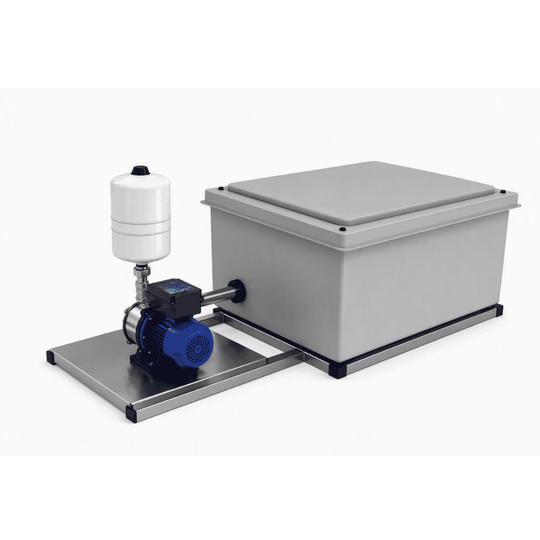
AquaForce 500 Litre Booster Package (Standard AG)
£3,282.00EX VAT · £3,938.40 INCView product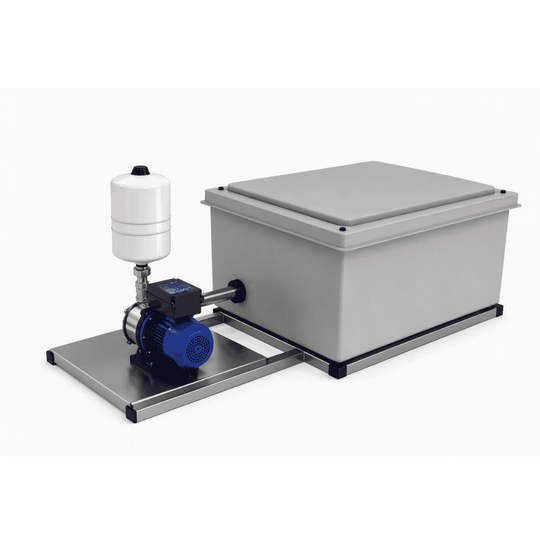
AquaForce 500 Litre CAT5 Booster Package
£3,318.00EX VAT · £3,981.60 INCView product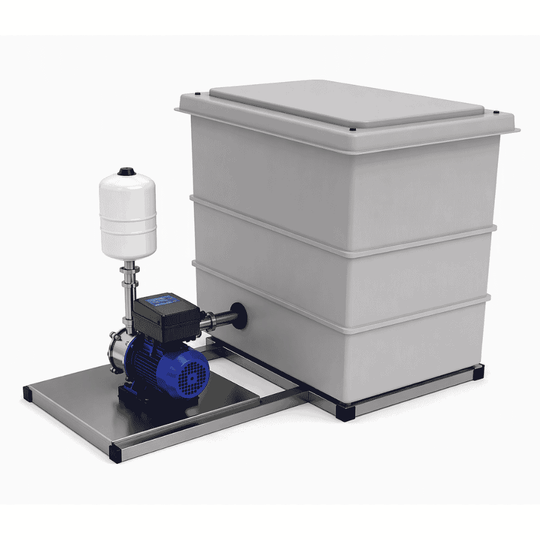
AquaForce 501 Litre Booster Package (Standard AG)
£3,445.00EX VAT · £4,134.00 INCView product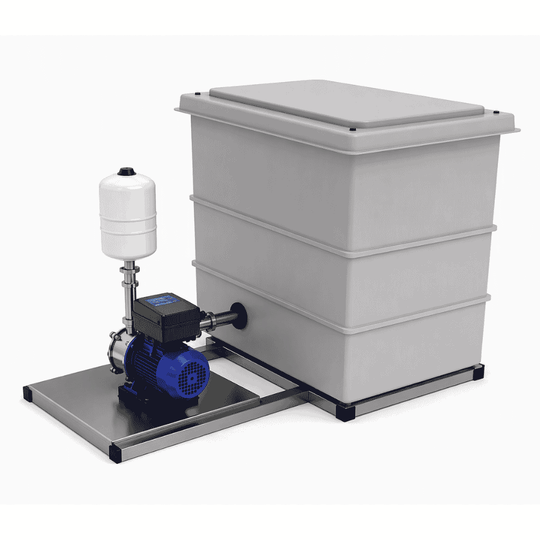
AquaForce 501 Litre CAT5 Booster Package
£3,510.00EX VAT · £4,212.00 INCView product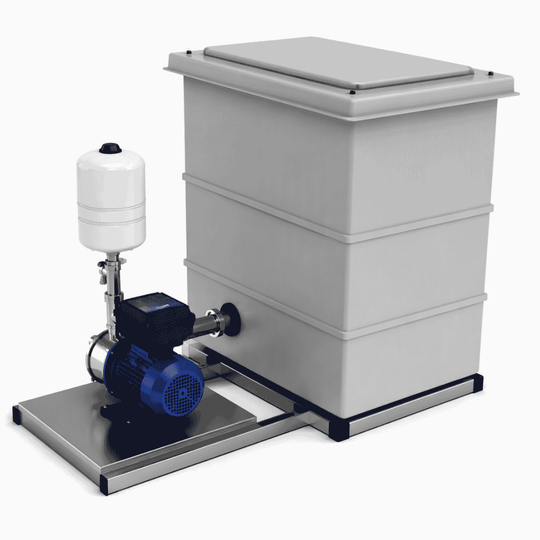
AquaForce 601 Litre Booster Package (Standard AG)
£3,563.00EX VAT · £4,275.60 INCView product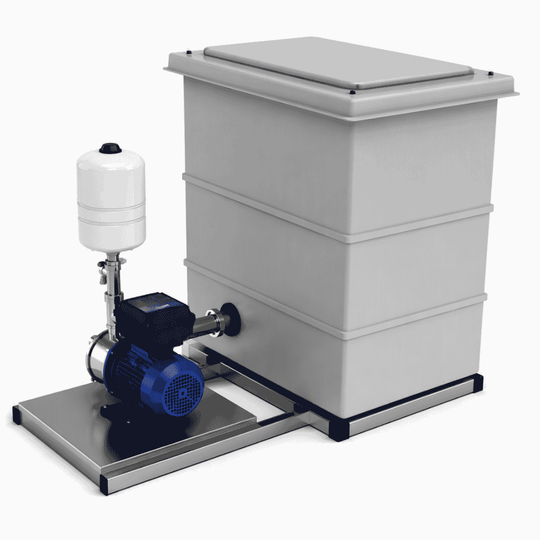
AquaForce 601 Litre CAT5 Booster Package
£3,665.00EX VAT · £4,398.00 INCView product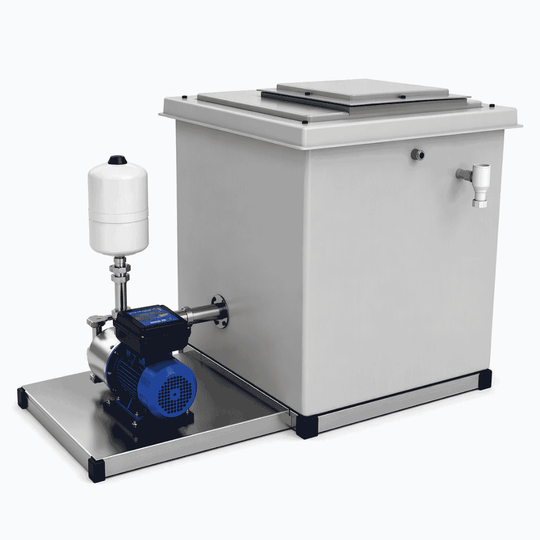
AquaForce 1000 Litre Booster Package (Standard AG)
£3,893.00EX VAT · £4,671.60 INCView product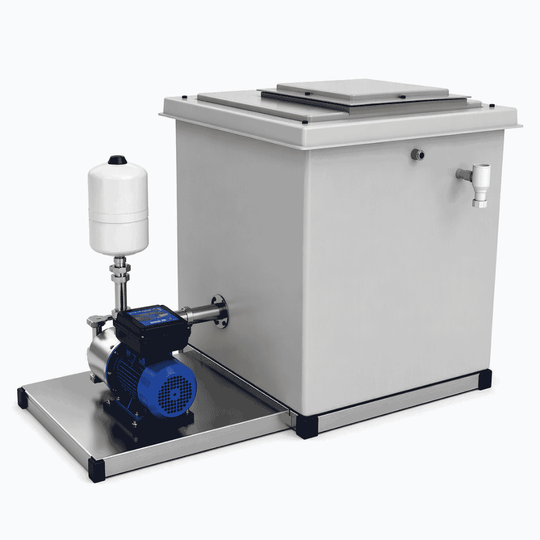
AquaForce 1000 Litre CAT5 Booster Package
£3,997.00EX VAT · £4,796.40 INCView product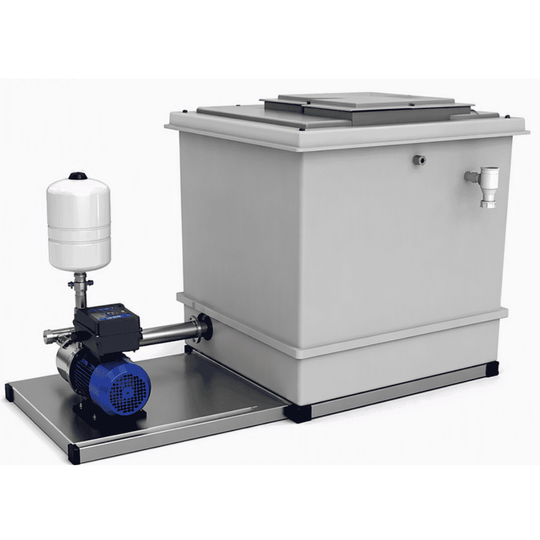
AquaForce 1220 Litre Booster Package (Standard AG)
£4,159.00EX VAT · £4,990.80 INCView product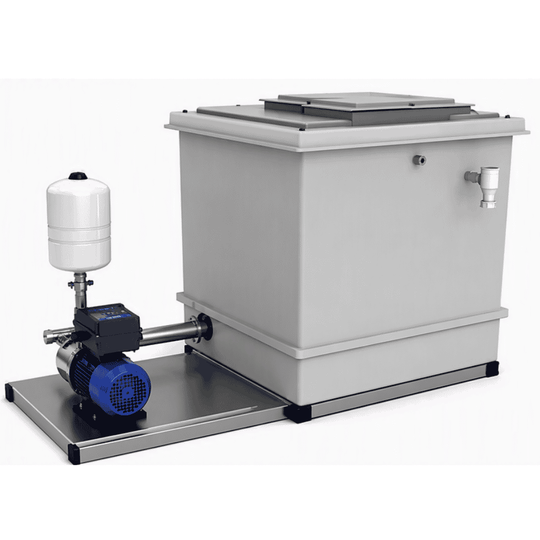
AquaForce 1220 Litre CAT5 Booster Set
£4,308.00EX VAT · £5,169.60 INCView product
AquaForce 1501 Litre Booster Package (Standard AG)
£4,721.00EX VAT · £5,665.20 INCView product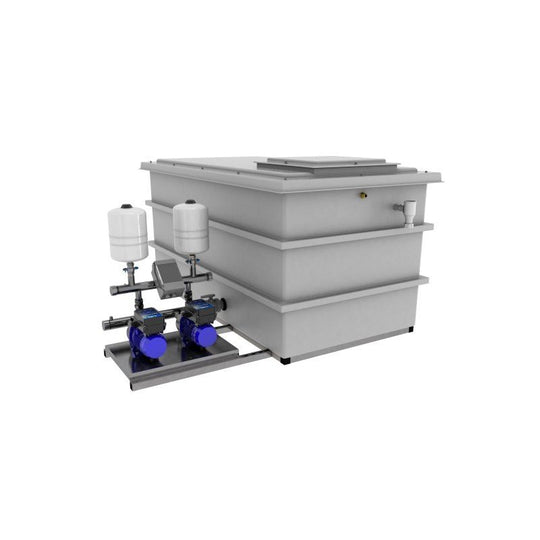
AquaForce 2000 Litre Booster Package (Standard AG)
£5,330.00EX VAT · £6,396.00 INCView product
AquaForce 2000 Litre CAT5 Booster Package
£5,415.00EX VAT · £6,498.00 INCView productAquaForce 1501 Litre CAT5 Booster Package
£5,537.00EX VAT · £6,644.40 INCView product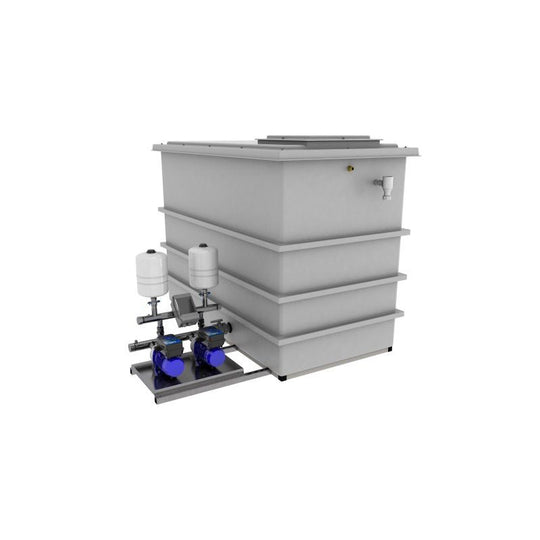
AquaForce 3001 Litre CAT5 Booster Package
£6,949.00EX VAT · £8,338.80 INCView productAquaForce 3001 Litre Booster Package (Standard AG)
£6,853.00EX VAT · £8,223.60 INCView product


Talk to a
specialist
Sizing, regulations, installation. Our team has been answering these questions for over 25 years.
Pump And Tank Packages FAQs
What exactly is included in a pump and tank package?
A typical package comprises the tank (potable, non-potable or pumping/sewage station), a matched pump — submersible or surface-mounted — plus the fittings needed to get it working: level controls, non-return valves, isolation valves and often a control panel or alarm. Packages are pre-specified so the pump's flow rate and head match the tank's job, saving you sourcing components separately and risking a mismatch.
How do I choose the right pump size for my tank?
Pump selection comes down to two figures: flow rate (litres per minute you need delivered) and total head (vertical lift plus friction losses in the pipework, including any rise to a soakaway or watercourse). Undersizing means the tank never empties fast enough after heavy use or rainfall; oversizing wastes energy and can cause short-cycling. If you're unsure, give us your pipe run length, rise in height, and expected daily volume and we'll match a package to it.
What's the difference between a submersible and a surface-mounted pump in these packages?
Submersible pumps sit inside the tank or wet well, are self-priming and generally quieter, making them the standard choice for sewage and surface water pumping stations. Surface-mounted pumps sit outside the tank in a dry, accessible location — easier to service without lifting anything out of the liquid, and common on rainwater harvesting packages where you want the pump housed in a garage or plant room.
Do pump and tank packages need building regulations approval?
Sewage pumping stations discharging to a public sewer or treatment plant typically need Building Regulations sign-off (Part H) and, where they connect to or sit near a public sewer, water company approval or a build-over agreement. Surface water and rainwater harvesting packages are usually more straightforward but should still meet local drainage requirements. We'd always recommend checking with your local authority or drainage engineer before installation, particularly for anything with a mains sewer connection.
Can I install a pump and tank package myself?
Tank siting, excavation and pipework connections can often be done by a competent groundworker or plumber, but the electrical supply to the pump and any control panel must be installed by a qualified electrician, and sewage stations should be commissioned in line with the manufacturer's instructions to keep the warranty valid. For anything discharging to a public sewer, your local water company will also need to be notified. We're happy to point you to the relevant installation guide for the specific package you're looking at.
What maintenance do pump and tank packages need once installed?
Most packages need an annual check as a minimum — inspecting the float switches or level sensors, testing the pump runs and non-return valves, and clearing any debris from the wet well or inlet. Sewage pumping stations benefit from more frequent checks if they're serving a busy household, and it's worth keeping an eye on high-level alarms so a fault doesn't go unnoticed. Keeping a spare pump or seal kit on hand reduces downtime if a unit does need replacing.