Industrial
Heavy-duty for industry.
Industrial Sub-Categories

Spill Kit - Chemical (Grab Bag, 50 Litres)
£46.50EX VAT · £55.80 INCView product
Absorbent Socks (Oil) x 20no
£51.99EX VAT · £62.39 INCView product
Absorbent Pads (Maintenance)
£61.99EX VAT · £74.39 INCView product
Absorbent Roll (Chemical)
£65.99EX VAT · £79.19 INCView product
Emergency Clay Drain Mats
£66.99EX VAT · £80.39 INCView product
Drain Mat (600mm x 600mm)
£83.99EX VAT · £100.79 INCView product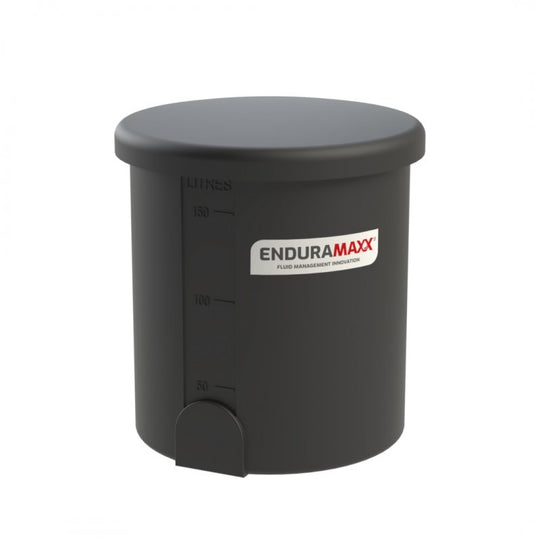
Enduramaxx 150L Batch Mixing Tank
POAPrice on applicationView product
Enduramaxx 250L Batch Mixing Tank
POAPrice on applicationView product
Enduramaxx 400L Batch Mixing Tall Tank
£162.00EX VAT · £194.40 INCView product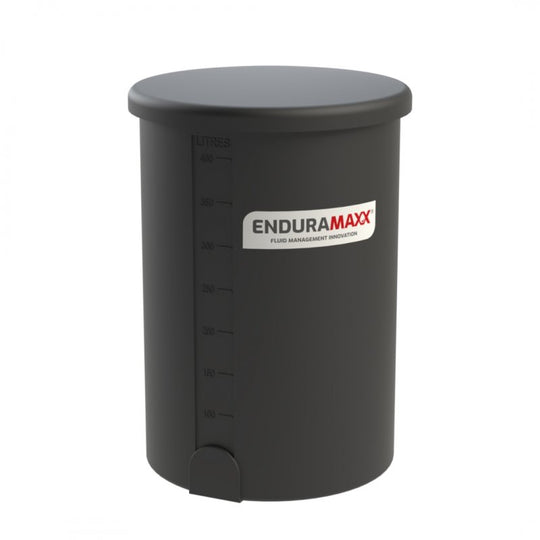
Enduramaxx 400L Batch Mixing Tank
POAPrice on applicationView product
JFC Medi-Safe Storage Cabinet
£171.20EX VAT · £205.44 INCView product
Chemical Spill Kit (98 Litres)
£190.00EX VAT · £228.00 INCView product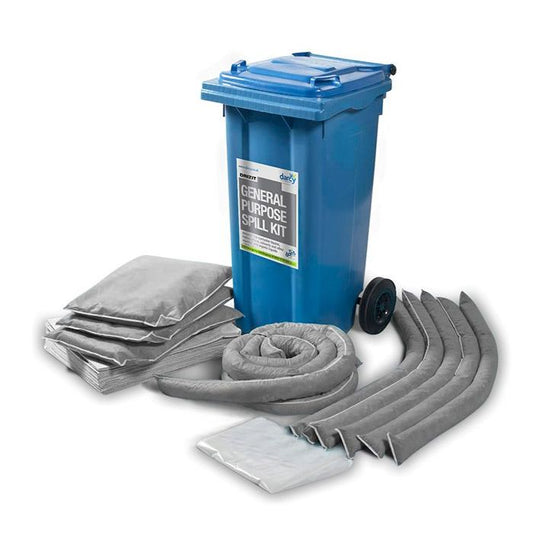
Maintenance Spill Kit (98 Litres)
£190.00EX VAT · £228.00 INCView product
Chemical Transfer Pump (20-25mm)
£220.00EX VAT · £264.00 INCView product
Enduramaxx 650L Batch Mixing Tank
£246.00EX VAT · £295.20 INCView product
Enduramaxx 500L Batch Mixing Tank
£246.00EX VAT · £295.20 INCView product


Talk to a
specialist
Sizing, regulations, installation. Our team has been answering these questions for over 25 years.
Industrial water tanks can be used for either Potable or non-potable water. We offer a range of GRP or Plastic Industrial tanks in a variety of shapes and capacities.
Industrial FAQs
Should I choose a GRP or plastic (polyethylene) industrial tank?
GRP (glass-reinforced plastic) tanks are rigid, sectional-build for very large capacities, and well suited to bespoke shapes or on-site assembly where access is restricted. Polyethylene tanks are moulded in one piece, generally lighter and more cost-effective for small-to-mid capacities, and quicker to install. Your choice usually comes down to volume required, site access, and whether the tank needs to be split into panels to get it into position.
What capacity industrial tank do I need?
This depends on your process demand, storage buffer requirements and any regulatory retention time for effluent or process water. As a rule of thumb, factor in peak usage, delivery lead times for refills or tankering, and a safety margin for downtime. If you're unsure, tell us your daily throughput and we can help you match it to a suitable capacity and shape.
Can industrial tanks be installed above and below ground?
Most GRP tanks are designed for above-ground use, though some ranges can be adapted for underground installation with the correct backfill and anti-flotation measures. Plastic industrial tanks are typically above-ground only unless specifically rated for burial. Always check the manufacturer's installation guide for groundwater level, base preparation and loading requirements before you dig.
What base or foundation does an industrial tank need?
Industrial tanks need a flat, level, fully supported base — typically a reinforced concrete slab sized to the tank's footprint and designed for its full water weight, not just the empty tank. Uneven or point-loaded support is the most common cause of stress cracking or failure in GRP and plastic tanks alike. We can provide loading and base specification details for your chosen tank on request.
What industries typically use these tanks?
Industrial tanks are used across manufacturing, food and beverage, construction, agriculture and fire suppression, storing anything from process water and washdown water to chemically dosed liquids and firefighting reserves. The right specification depends on what's being stored — potable-grade WRAS-approved tanks for wholesome water, and chemically resistant linings or grades for aggressive liquids. Tell us what the tank will hold and we'll point you to a suitable material and design.
What should I check about delivery and site access for a large industrial tank?
Larger GRP tanks may need to be delivered in sections and assembled on site if access roads, gateways or existing structures won't allow a single large vessel through. Plastic one-piece tanks are simpler but still need adequate crane or offloading access and a clear, prepared route to the final position. Let us know your site access constraints (widths, overhead clearance, ground conditions) before ordering so we can confirm the tank can actually be delivered and installed.