GasAlternative Fuel Storage
Storage for alternative fuels.

Armorgard Gorilla Gas Cages
£469.00EX VAT · £562.80 INCView product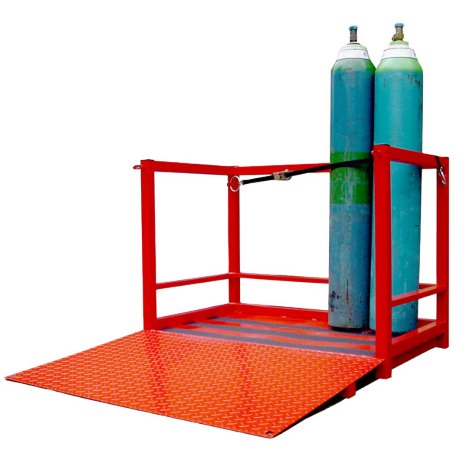
Gas Cylinder Safety Store E-GCP8
£1,254.00EX VAT · £1,504.80 INCView product
Gas Cylinder Safety Store E-GCS8
£1,704.00EX VAT · £2,044.80 INCView product
Gas Cylinder Safety Store
£1,932.00EX VAT · £2,318.40 INCView product
Gas Cylinder Safety Store E-GCS30
£3,564.00EX VAT · £4,276.80 INCView product


Talk to a
specialist
Sizing, regulations, installation. Our team has been answering these questions for over 25 years.
Please find our new range of storage products for all of your gas and alternative fuel storage needs.
Gas Alternative Fuel Storage FAQs
What materials are used for LPG and alternative fuel storage tanks?
LPG tanks are typically manufactured from steel, either painted or galvanised, and designed to withstand the pressures associated with storing liquefied gas. Alternative fuel tanks, such as those for AdBlue or diesel, are more commonly polyethylene or bunded steel. The right material depends on the fuel type, storage pressure and whether the tank sits above or below ground.
Do I need planning permission to install an LPG tank at home?
In most cases a domestic LPG tank up to 3,500 litres doesn't need planning permission, provided it's sited in line with the relevant distance separation rules from buildings, boundaries and ignition sources. Larger tanks, or those in listed building curtilages or conservation areas, may require consent. Always check with your local authority and your gas supplier before installation, as siting rules are strictly enforced for safety reasons.
What size tank do I need for my property?
Domestic LPG tanks commonly range from around 1,000 to 2,500 litres, depending on heating demand, hot water usage and whether you're running a cooker or other appliances off the same supply. As a rough guide, a typical family home with gas central heating and hot water might use a 2,000-litre tank with two to three refills a year. Your supplier can help calculate expected consumption based on your property's size and usage.
Does an LPG or fuel tank need to be bunded?
LPG tanks themselves don't require bunding as the gas is stored under pressure rather than as a free-flowing liquid at atmospheric conditions. However, diesel, heating oil and other liquid fuel tanks generally do need secondary containment (bunding) under the Control of Pollution (Oil Storage) Regulations, particularly for larger capacities or sites near watercourses. Check the specific regulations for your fuel type and location before installing.
Can these tanks be installed above ground, or do they need to be buried?
Most LPG tanks are installed above ground on a concrete base, which keeps installation and future servicing straightforward and cost-effective. Underground tanks are available for those who prefer a less visible installation, but they require excavation, a suitable base and additional groundworks. Above-ground tanks are the more common choice for domestic and light commercial use.
What's involved in the delivery and installation of a gas storage tank?
Tanks are usually delivered by specialist haulage direct to site, and given their size and weight, access for a crane offload or suitable lifting equipment needs to be confirmed in advance. Installation should always be carried out or signed off by a Gas Safe registered engineer competent in LPG systems, who will handle the connection, pressure testing and commissioning. Lead times can be longer than standard tank products, so it's worth ordering ahead of when you need gas supply live.