DomesticCompact Booster Sets
Small-footprint home boosting.
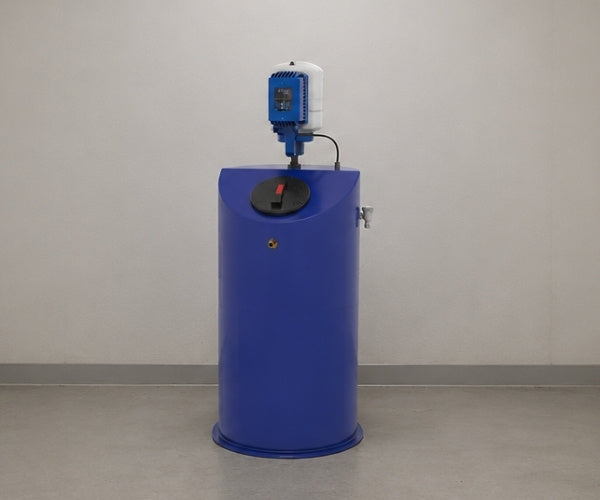
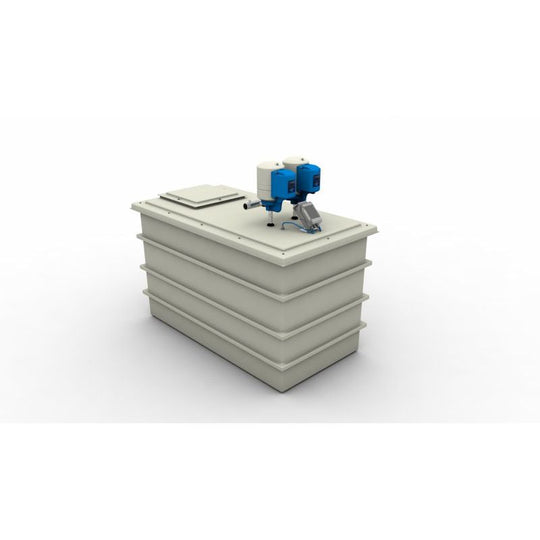
2000 Litre GRP Water Tank with a Twin Pump Booster Set
£6,769.00EX VAT · £8,122.80 INCView product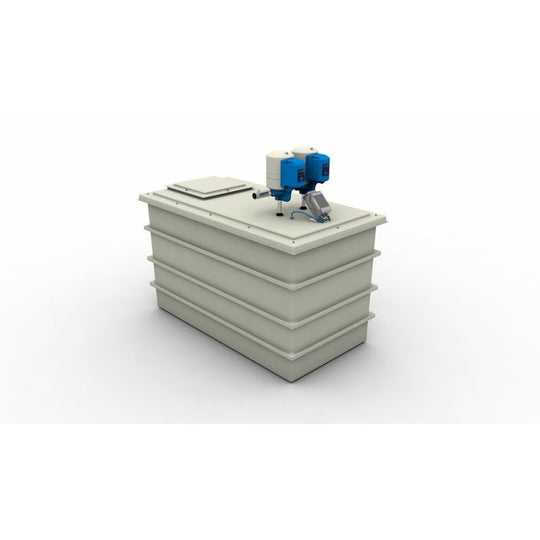
2501 Litre GRP Water Tank with a Twin Pump Booster Set
£7,490.00EX VAT · £8,988.00 INCView product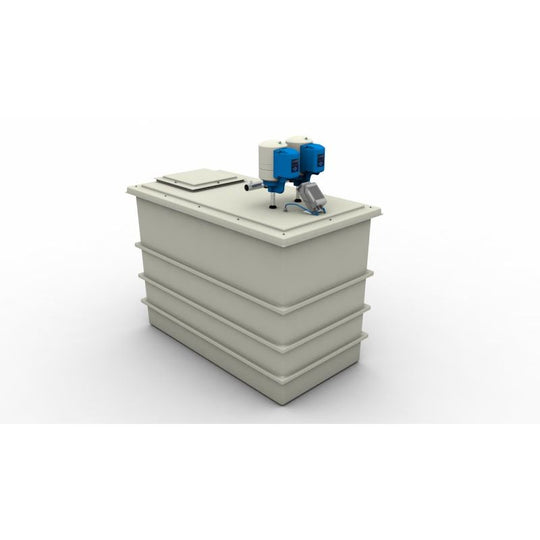
3001 Litre GRP Water Tank with a Twin Booster Pump Set
£7,517.00EX VAT · £9,020.40 INCView product
Talk to a
specialist
Sizing, regulations, installation. Our team has been answering these questions for over 25 years.
Domestic Compact Booster Sets FAQs
Do I actually need a booster set, or is my low pressure a different problem?
A booster set is the right fix if your mains supply is simply weak or drops badly at peak times — typically below 1.5 bar or unable to run a shower and tap simultaneously. If pressure varies wildly or cuts out completely, it's worth checking with your water company first, as supply pipe or main issues won't be solved by a booster. Most compact domestic sets are sized to lift standard mains pressure up to a comfortable working level for showers, combi boilers and outside taps.
How do I size a compact booster set for my property?
Sizing comes down to peak demand — how many outlets could realistically run at once (shower, kitchen tap, washing machine) and the total litres per minute that represents. As a rough guide, a typical two-to-three bathroom home needs a set delivering around 30-45 litres/minute at 2-3 bar boosted pressure, but this should be checked against your incoming supply flow rate, not just guessed. Undersizing means the pump struggles under multiple outlets; oversizing wastes energy and can be noisier than needed.
Where can a domestic booster set be installed?
Compact sets are designed for indoor installation — typically a garage, utility room, plant room or under-stairs cupboard — as they need frost protection and a standard electrical supply nearby. They require a solid, level base, reasonable access for servicing, and ideally some acoustic separation from bedrooms since all pumps generate some running noise. A drain point nearby is useful in case of any pressure relief discharge.
Are compact booster sets noisy to live with?
Modern domestic sets are considerably quieter than older commercial-style pumps, with many rated around 45-55 dB(A) at typical operating pressure — similar to a fridge running. Noise is usually more noticeable through solid floors or stud walls than in open plant rooms, so siting away from living and sleeping areas is still sensible. Anti-vibration feet and flexible pipe connections, fitted at installation, make a real difference to perceived noise.
Do I need anything special for building regs or water regulations compliance?
Booster sets fitted directly to the mains must comply with the Water Supply (Water Fittings) Regulations, which generally means a suitable backflow prevention device and, in some cases, notifying your water undertaker before installation — particularly for sets above certain flow rates. If you're boosting from a break tank or storage vessel rather than direct mains, different rules apply around tank design and overflow. Check with your water company or a qualified plumber before installation if you're unsure which category your setup falls into.
Can a booster set be used with a rainwater harvesting or borehole supply, not just mains?
Yes — compact booster sets are commonly used to deliver stored rainwater or borehole water at usable pressure to a house, and this setup avoids the mains backflow regulations since there's no connection to the wholesome water supply. In these cases the pump draws from a break tank or storage tank rather than direct mains, so sizing depends on tank capacity and delivery pipe run as well as peak demand. Non-potable use still needs correctly labelled pipework and outlets to keep the system clearly separate from any drinking water supply in the property.