Cleaning& Chemical Accessories
Support cleaning and dosing.


Talk to a
specialist
Sizing, regulations, installation. Our team has been answering these questions for over 25 years.
At Tanks Direct, we understand that accidents happen. And we understand the importance of being prepared for any spill, big or small. That's why we offer a comprehensive range of cleaning and chemical accessories designed to make your life easier in any messy situation. We sell a range of cleaning and chemical accessories, includes spill kits, chemical transfer pumps, absorbent pads, and socks €“ everything you need to tackle leaks and contain spills quickly and efficiently.
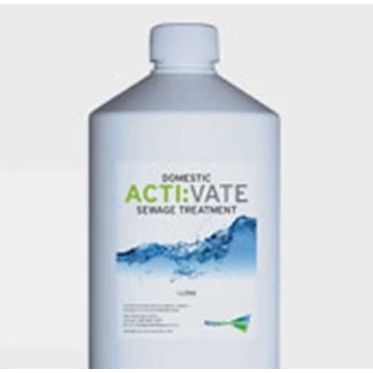
Whether you're dealing with a minor mishap on the farm or managing an industrial workspace, Tanks Direct has the cleaning supplies you need to get the job done right. Super absorbent socks are available to contain spills and leaks before they reach your shoes or boots. But we go beyond just spill clean up €“ we offer essential preventative measures like drain mats and septic tank treatments to help stop small leaks from turning into major headaches. Drain mats placed strategically can catch drips and spills before they reach your floors, saving you time and effort on cleaning. And our disinfectant foot baths are perfect for maintaining cleanliness in high-traffic areas or preventing the spread of contaminants. You'll find everything you need to keep your space clean, safe, and running smoothly at Tanks Direct.
Cleaning & Chemical Accessories FAQs
What size spill kit do I need for my site?
This depends on the volume of liquid you store and handle day-to-day. Small 20-30 litre kits are fine for vehicle bays or small workshops, while larger 120-240 litre wheeled kits suit farms, fuel stores or industrial units with bigger tanks and IBCs. As a rule of thumb, your kit should be able to absorb at least 10-20% of your largest stored container's volume.
What's the difference between absorbent pads, socks and pillows?
Pads are flat sheets best for wiping down surfaces or soaking up general spills on the floor. Socks are long, flexible tubes ideal for containing a spill's edge or forming a barrier around drains and equipment. Pillows are thicker and designed to sit under leaking valves, drums or machinery where a heavier, sustained drip needs absorbing.
Can the same absorbents be used for oil, chemicals and water-based spills?
No — always check the kit type before use. General-purpose absorbents handle oils, coolants and water-based fluids but aren't rated for aggressive chemicals. Chemical (or "hazmat") absorbents are made from more resistant materials designed to cope with acids, solvents and other corrosive substances without breaking down.
Do drain mats need to be fixed down, or can they be moved around?
Most drain mats are designed to be laid loose so they can be repositioned wherever the risk is greatest, such as under IBCs, drum stores or filling points. For permanent high-risk areas some sites choose to secure them in place, but this isn't usually necessary for day-to-day use. Just make sure the mat is checked and cleared regularly so it can keep doing its job.
How often should septic tank treatments be used?
Most biological treatments are dosed monthly to keep the bacterial population in your tank topped up, particularly after periods of low use or after the system has been dosed with bleach or strong cleaning products. Regular use helps maintain effective breakdown of solids and can reduce odour and the frequency of tank emptying. Always follow the dosing rate on the product, as overuse won't speed things up and underuse won't maintain the bacterial balance.
Where are disinfectant foot baths typically used?
Foot baths are common on farms, in agricultural buildings and at site entrances where biosecurity is a concern, helping stop the spread of disease between livestock housing, yards and vehicles. They're also used in food production and industrial settings where cross-contamination between areas needs to be controlled. Choose a size that suits your footfall and remember to change the disinfectant solution regularly to keep it effective.