ChemicalTanks
Store aggressive liquids safely.


Talk to a
specialist
Sizing, regulations, installation. Our team has been answering these questions for over 25 years.
Chemical Tanks FAQs
What material are chemical storage tanks made from?
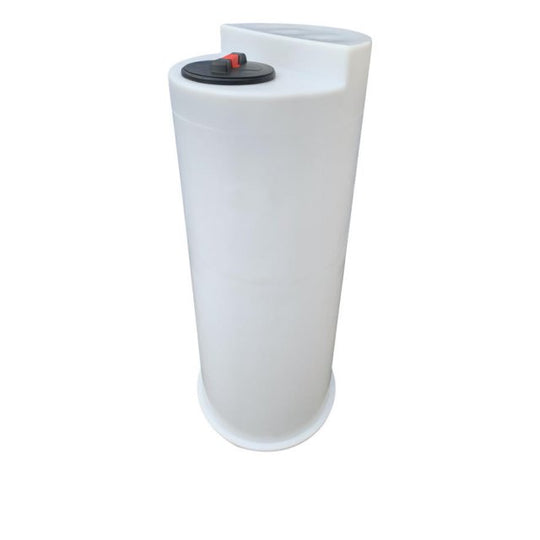
Most chemical tanks are manufactured from polyethylene (MDPE or HDPE) or GRP (fibreglass), chosen for their resistance to a wide range of acids, alkalis and other aggressive substances. The exact grade of plastic and wall construction depends on the chemical being stored, its concentration and its operating temperature. Always check the manufacturer's chemical resistance chart against your specific product before ordering, as compatibility varies significantly between substances.
Do I need a bunded tank for chemical storage?
In most cases, yes — bunding is a legal requirement under COSHH and environmental regulations for tanks storing hazardous or polluting substances. A bunded tank has a secondary containment wall, typically sized to hold at least 110% of the primary tank's capacity, to catch any leaks or spills before they reach the ground or drainage system. Integrally bunded (tank-within-a-tank) designs are common and take up less space than a separate bund wall.
How do I choose the right size chemical tank?
Size your tank around your actual usage and delivery frequency rather than just maximum theoretical demand, allowing some headroom rather than filling to capacity. Consider footprint and access too — a tall narrow tank may suit a confined site better than a wide low-profile one. If you're storing multiple chemicals, separate tanks are usually safer and more practical than trying to compartmentalise a single vessel.
What fittings and accessories do chemical tanks typically need?
Chemical tanks are usually specified with bottom or side outlets, vents, dip pipes and inspection hatches, all in materials compatible with the stored substance — standard steel fittings will corrode quickly in contact with many chemicals. Bunded tanks also need a bund drain point or sump for removing any accumulated rainwater or spillage. It's worth confirming fitting positions and thread types at order stage, as retrofitting is far harder once the tank is installed and in use.
Can chemical tanks be installed outdoors and are they UV stable?
Many chemical tanks are suitable for outdoor use, but you should check that the specific tank has UV stabilisers or UV inhibitor additives in the plastic, as prolonged sun exposure can otherwise degrade and embrittle the material over time. Some chemicals also have temperature-sensitive storage requirements, so a shaded location or bunded enclosure may be needed regardless of the tank's own UV rating. Where in doubt, ask for the tank's technical datasheet rather than assuming general-purpose suitability.
What regulations apply to storing chemicals on site?
Storage of hazardous chemicals is primarily governed by COSHH (Control of Substances Hazardous to Health) and, depending on the substance and quantity, may also fall under DSEAR or the Control of Pollution (Oil Storage) Regulations if oils are involved. Local Environment Agency guidance typically requires bunding, appropriate signage and a spill response plan for any site storing significant volumes of hazardous liquid. It's the operator's responsibility to check which specific rules apply to their chemical and quantity, so consult your local authority or environmental consultant if you're unsure.