CharlesAusten
Charles Austen blowers.

Charles Austen ET60-80 Filter
£4.36EX VAT · £5.23 INCView product
Charles Austen ET100-120 Filter
£4.36EX VAT · £5.23 INCView product
ET-60 CHARLES AUSTEN BLOWER SERVICE KIT
£28.69EX VAT · £34.43 INCView product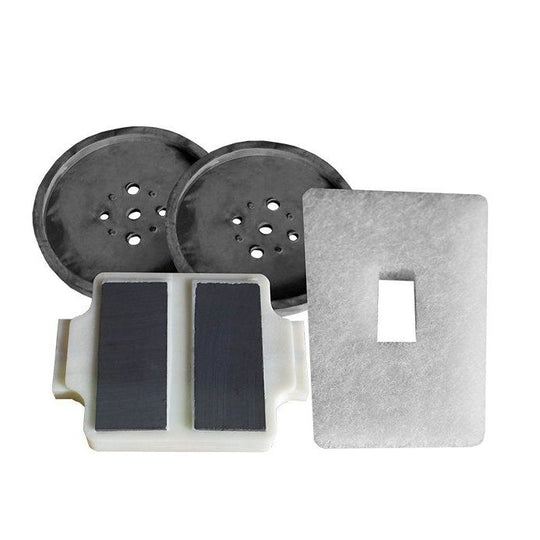
ET-80 CHARLES AUSTEN BLOWER SERVICE KIT
£28.69EX VAT · £34.43 INCView product
ET-100 CHARLES AUSTEN BLOWER SERVICE KIT
£28.69EX VAT · £34.43 INCView product
ET-120 CHARLES AUSTEN BLOWER SERVICE KIT
£28.69EX VAT · £34.43 INCView product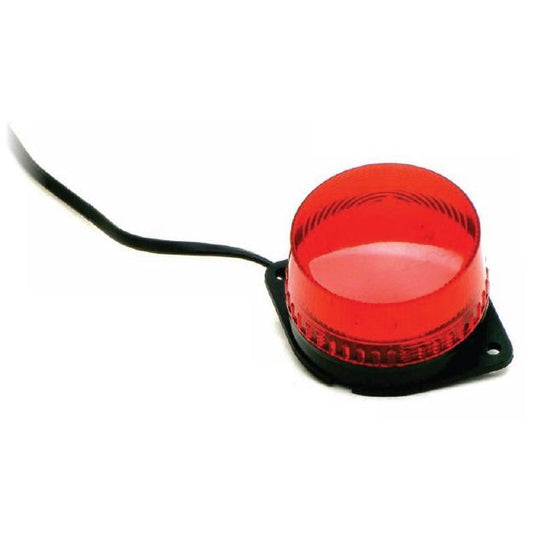
Charles Austen Envirosure Beacon
£43.63EX VAT · £52.36 INCView product
ET-150 CHARLES AUSTEN BLOWER SERVICE KIT
£54.10EX VAT · £64.92 INCView product
ET-200 CHARLES AUSTEN BLOWER SERVICE KIT
£54.10EX VAT · £64.92 INCView product
Charles Austen ET30
£64.48EX VAT · £77.38 INCView product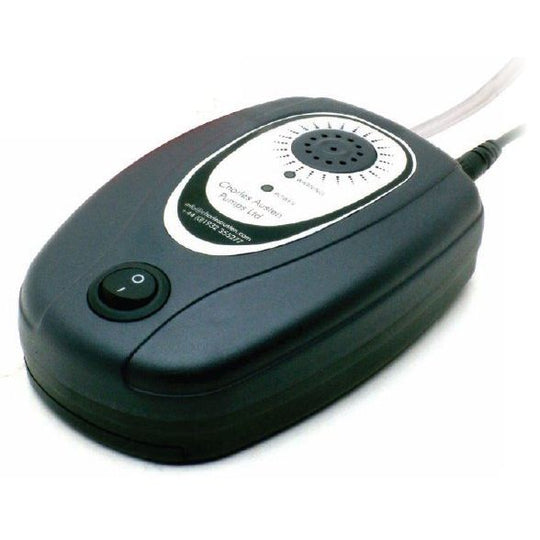
Charles Austen Envirosure 100 Low Pressure Alarm
£65.47EX VAT · £78.56 INCView product
S-8000 Pond Pump
£73.45EX VAT · £88.14 INCView product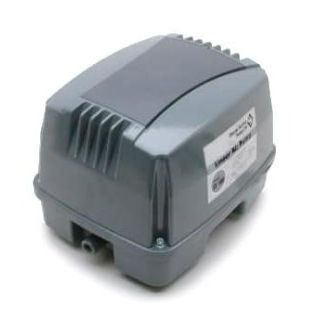
Charles Austen Air Blower ET40
£81.82EX VAT · £98.18 INCView product
Charles Austen Air Blower ET60
£85.45EX VAT · £102.54 INCView product
S-15000 Pond Pump
£92.35EX VAT · £110.82 INCView product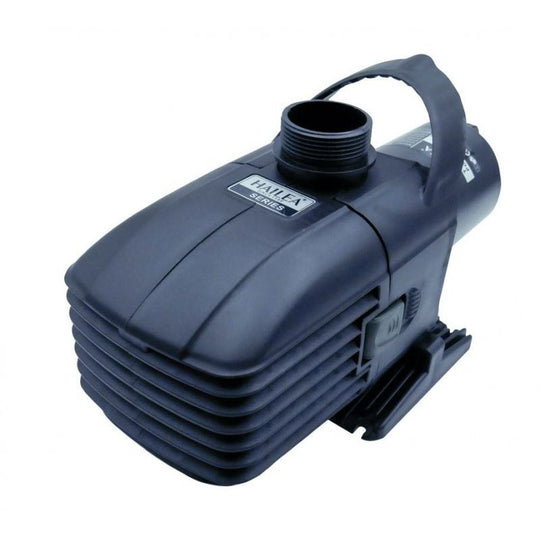
Series-18000 Pond Pump
£101.80EX VAT · £122.16 INCView product


Talk to a
specialist
Sizing, regulations, installation. Our team has been answering these questions for over 25 years.
Charles Austen FAQs
What are Charles Austen pumps typically used for?
Charles Austen manufacture submersible and surface-mounted pumps widely used for pumping wastewater, sewage, sump water and general effluent from tanks, chambers and treatment plants. They're a common choice where gravity drainage isn't possible and water or waste needs lifting to a higher discharge point, such as from a basement, cellar or low-lying septic tank. Many models also handle dirty or solids-laden water, making them suitable for both domestic and light commercial applications.
How do I choose the right Charles Austen pump for my tank?
Start with what you're pumping — clean water, greywater, or sewage with solids — as this determines whether you need a standard submersible or a macerator/cutter pump. Then check the head height (vertical lift) and pipe run distance to your discharge point, as these affect flow rate and pump sizing. If in doubt, it's worth checking the manufacturer's performance curve against your specific installation rather than guessing on horsepower alone.
Can these pumps handle solids from a septic tank or treatment plant?
Yes — several Charles Austen models are specifically designed as sewage or macerator pumps capable of cutting up and passing solids that would otherwise clog a standard submersible unit. These are commonly fitted where effluent needs pumping uphill from a septic tank or treatment plant to a soakaway, watercourse, or further drainage point. Always check the manufacturer's solids-handling specification before fitting to a foul or combined system.
Do Charles Austen pumps need any special electrical installation?
Most submersible pumps in this range run on a standard single-phase supply, but because they operate in wet or below-ground environments, installation should follow current wiring regulations including appropriate RCD protection. For permanent sewage or wastewater installations, we'd always recommend a qualified electrician wires in the pump and any float switch or control panel. Some models are supplied with a plug for simpler above-ground applications, such as sump drainage.
What maintenance do these pumps require once installed?
Submersible and sewage pumps benefit from periodic inspection to check the float switch operates freely and the intake isn't clogged with debris or fibrous material. It's good practice to run the pump briefly every few months if it's not in regular use, to prevent seizing. Seals and impellers are the main wear items on pumps handling solids, so factor in occasional servicing if the pump is working hard in a busy household or commercial system.
Will a Charles Austen pump fit my existing tank or chamber?
Most submersible pumps are designed to sit within standard chamber or sump dimensions, but it's worth checking the pump's footprint and discharge pipe size against your tank's access and outlet before ordering. Some installations need a guide rail or duckfoot bend fitted to allow the pump to be lifted out for servicing without disturbing pipework. If you're retrofitting into an older tank, double-check the outlet connection size matches or that a suitable adaptor is available.