BasketFilter
In-line debris removal.

8 Inch Cup Filter
£13.00EX VAT · £15.60 INCView product
355mm Basket Filter
POAPrice on applicationView product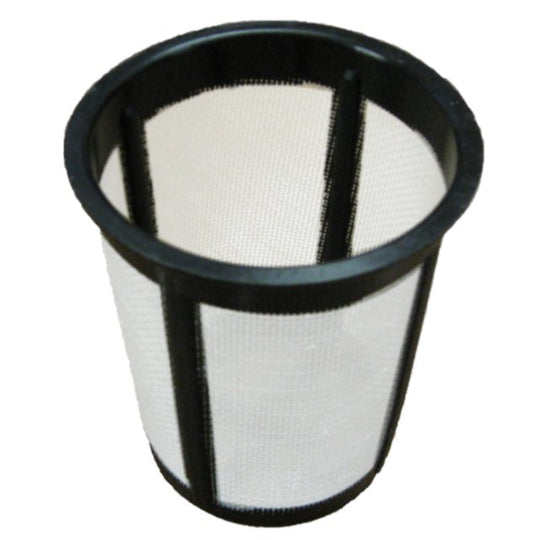
4' Basket Filter
£16.00EX VAT · £19.20 INCView product
455mm Basket Filter
POAPrice on applicationView product
8' Basket Filter
£21.00EX VAT · £25.20 INCView product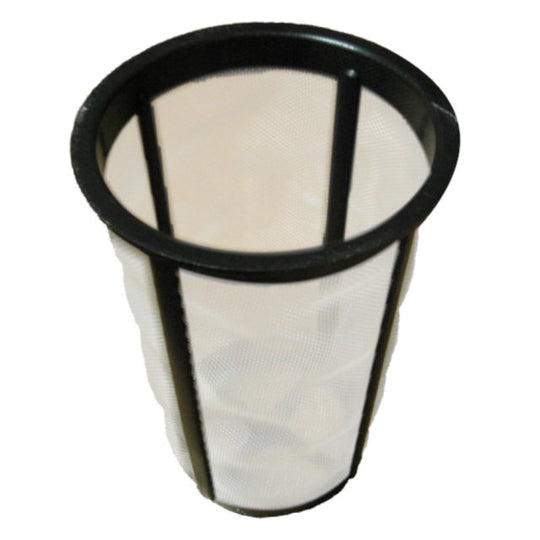
6' Cup Filter
£22.00EX VAT · £26.40 INCView product
8 Inch Basket Filter
£24.00EX VAT · £28.80 INCView product
12' Basket Filter
£29.00EX VAT · £34.80 INCView product
16' Basket Filter
£30.00EX VAT · £36.00 INCView product
620mm Basket Filter
POAPrice on applicationView product


Talk to a
specialist
Sizing, regulations, installation. Our team has been answering these questions for over 25 years.
At Tanks Direct, our range of basket filters are designed to capture leaves, moss, and other debris before they enter your tank, keeping it clean and working efficiently. This also helps prevent sediment build-up, helping to maintain water quality and reduce the frequency of tank maintenance. Our basket filters are made from durable polyethylene, ensuring they withstand various liquids and environmental conditions while remaining easy to clean. They are designed to fit securely within the tank's lid opening, with sizes available from 4 inches to 16 inches, tailored to match your specific tank dimensions. This ensures a snug fit that maximises filtration efficiency €“ you'll save time and effort on cleaning, as the fine mesh or perforated surface traps particles effectively, allowing cleaner water to flow into your tank. Our lids with debris strainers provide essential protection for your water storage system by preventing leaves, twigs, and other debris from entering your tank while maintaining easy access. Our rainwater harvesting filters offer more advanced filtration capabilities for your rainwater tank, removing fine particles and pollutants from the collected water to improve water quality for various applications from garden irrigation to household use.
Basket Filter FAQs
How do I know what size basket filter I need?
Basket filters are sized to match the inlet or lid opening of your tank, with our range covering 4 inch to 16 inch diameters. Measure the internal diameter of the opening the filter needs to sit within, rather than the lid itself, as too loose a fit will let debris bypass the mesh. If you're unsure, check your tank's datasheet or get in touch with our team for guidance.
What's the difference between a basket filter and a debris strainer lid?
A basket filter is a standalone mesh or perforated basket that sits inside the tank opening, catching leaves and grit before water enters. A lid with an integrated debris strainer combines this filtration with the tank's access cover, so you get the same protection without needing a separate component. Both do a similar job, but strainer lids are a neater option if you're replacing an existing cover.
Will a basket filter stop all sediment getting into my tank?
A basket filter is designed to catch larger debris such as leaves, moss and twigs, along with coarser grit, before it settles in the tank. It won't remove fine silt or dissolved pollutants — for that level of filtration, particularly on rainwater harvesting systems, you'd want one of our dedicated rainwater harvesting filters as well. Using a basket filter alongside proper first-flush or in-line filtration gives the best overall water quality.
How often do basket filters need cleaning?
This depends on how much debris your site generates — a tank under trees will need more frequent attention than one in an open area. As a guide, check the basket every few months and after heavy rain or autumn leaf fall, when they can clog quickly. Because they're made from polyethylene, they simply lift out, empty and rinse clean without any special tools.
Can basket filters be fitted to an existing tank?
Yes, most basket filters are designed as a retrofit solution and simply drop into the existing lid opening or inlet, provided the aperture matches one of our standard sizes. There's no cutting or specialist fitting required in most cases, making them straightforward for both trade installers and homeowners to add. If your tank has a non-standard opening, let us know the dimensions and we can advise on the closest fit.
Are basket filters suitable for use with septic tanks and sewage systems?
Basket filters are primarily intended for water storage and rainwater harvesting tanks rather than septic or sewage treatment systems, where solids handling is managed differently within the process itself. Fitting one to a septic tank inlet could interfere with the intended flow and isn't something we'd recommend without checking your system's design first. For sewage treatment plants, always follow the manufacturer's guidance on inlet protection and maintenance.