Aylesbury/ Keraflo Valves
Delayed-action level valves.

2 1/2' Keraflo KB Type SF, Variable Delayed Action Float Valve, 65mm
£2,353.00EX VAT · £2,823.60 INCView product
1 1/2' Keraflo KP Type, Inline and Variable Delayed Action Float Valve, 40mm
£2,638.00EX VAT · £3,165.60 INCView product
2' Keraflo KP Type, Inline and Variable Delayed Action Float Valve, 50mm
£2,878.00EX VAT · £3,453.60 INCView product
3' Keraflo KB Type RB, Variable Delayed Action Float Valve, 80mm
£2,970.00EX VAT · £3,564.00 INCView product
2 1/2' Keraflo KP Type, Inline and Variable Delayed Action Float Valve, 65mm
£3,108.00EX VAT · £3,729.60 INCView product
3' Keraflo KP Type, Inline and Variable Delayed Action Float Valve, 80mm
£3,231.00EX VAT · £3,877.20 INCView product
4' Keraflo KP Type, Inline and Variable Delayed Action Float Valve, 100mm
£4,284.00EX VAT · £5,140.80 INCView product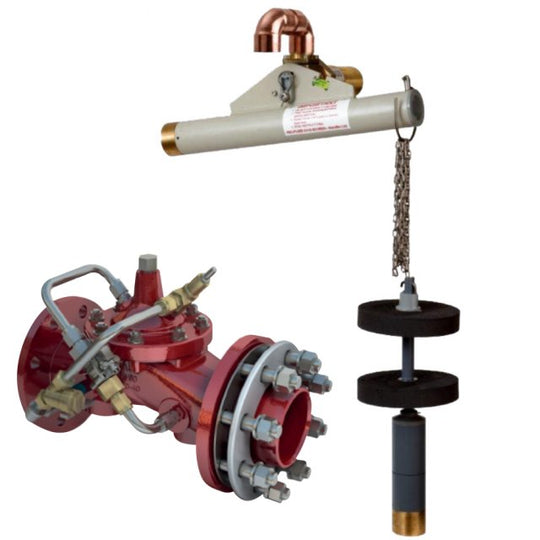
6' Keraflo KP Type, Inline and Variable Delayed Action Float Valve, 150mm
£5,693.00EX VAT · £6,831.60 INCView product


Talk to a
specialist
Sizing, regulations, installation. Our team has been answering these questions for over 25 years.
Aylesbury / Keraflo Valves FAQs
What's the difference between an Aylesbury valve and a standard ball valve?
Aylesbury (equilibrium) valves use a piston design that balances water pressure on both sides, so they shut off cleanly even on high-pressure mains without the hammering or noise you can get with a basic ball valve. This makes them the preferred choice for larger tanks and cisterns where consistent, quiet shut-off matters. Keraflo's range covers the same principle with some detail differences in seating and servicing.
What size Aylesbury or Keraflo valve do I need for my tank?
Sizing depends on the inlet pipework and the fill rate you need, not the tank capacity itself — most domestic cold water storage tanks use 3/4" or 1" valves, while larger commercial or agricultural tanks often need 1.5" or 2". Check the existing inlet connection or pipe diameter before ordering, as fitting an oversized valve into a smaller boss won't work without a reducer.
Are these valves suitable for high-pressure mains supply?
Yes, but you need to specify the correct version — Aylesbury and Keraflo valves are available in both high-pressure and low-pressure variants, and fitting the wrong one can cause poor shut-off or premature wear. High-pressure versions are designed for mains-fed applications, while low-pressure types suit gravity-fed or header tank setups. If you're unsure which your system needs, check the supply pressure at the inlet before choosing.
Do these float valves need to be WRAS approved for potable water tanks?
If the tank is storing wholesome (drinking) water, the valve must carry WRAS approval to comply with the Water Supply (Water Fittings) Regulations. We stock WRAS-approved Aylesbury and Keraflo valves suitable for potable installations, so check the product listing confirms this before fitting to a drinking water system. Non-potable applications such as rainwater harvesting don't carry this requirement, though a quality valve is still worthwhile.
Can I fit an Aylesbury valve myself, or does it need a plumber?
Most competent DIYers and tradespeople can fit these valves without issue — they typically thread into a tank boss or bulkhead fitting with a backnut and washer, and the float arm is adjustable to set your shut-off level. That said, if the valve is feeding a potable water system or connects to mains plumbing, it's worth having a qualified plumber check the installation to ensure it meets Water Regulations. Always isolate the water supply before starting work.
My float valve won't shut off properly — is it repairable or do I need a replacement?
Dripping or failure to shut off is usually down to a worn washer, a damaged seat, or grit lodged in the piston mechanism, and many Aylesbury and Keraflo valves have servicing kits or replacement washers available rather than needing a full swap. If the valve body itself is cracked, corroded, or the float arm mechanism is worn beyond adjustment, replacement is more reliable than repair. Check whether your specific model has a service kit before ordering a whole new unit.