WrasApproved Pumps
Approved for potable systems.
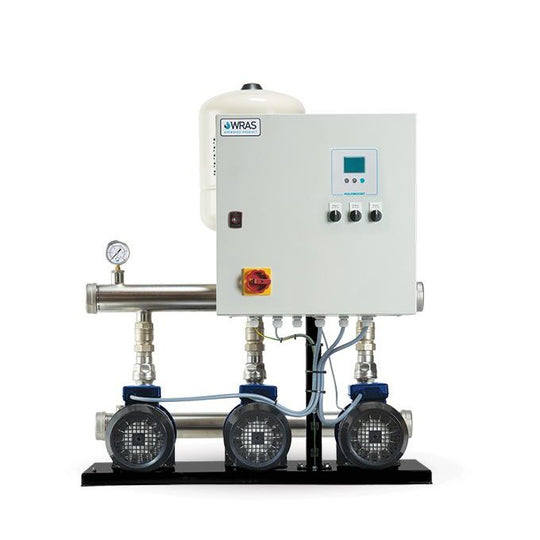
Triple Pump Booster Set, MH 46 - MAB 255L/min @ 3.7 Bar
£6,840.00EX VAT · £8,208.00 INCView product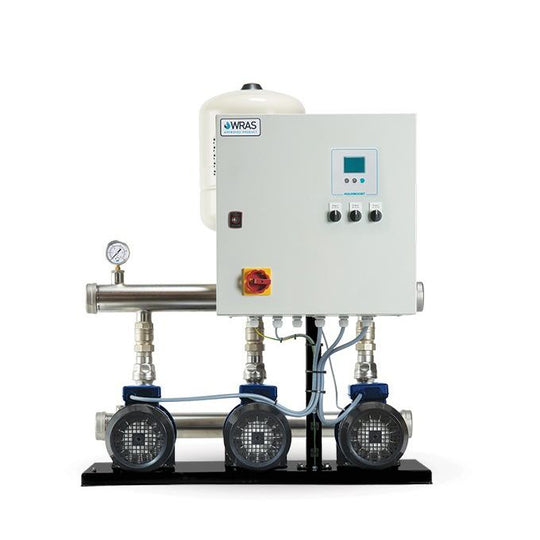
Triple Pump Booster Set, MH 48 - MAB 495 L/min @ 3.7 Bar
£8,010.00EX VAT · £9,612.00 INCView product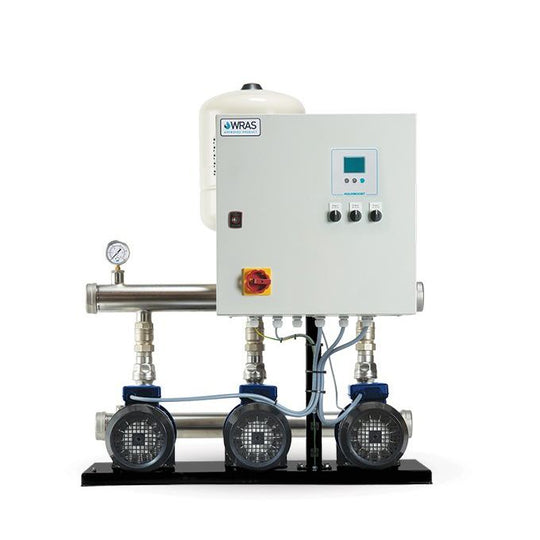
Triple Pump Booster Set, MH 60 - MAB 255L/min @ 5.1 Bar
£8,054.00EX VAT · £9,664.80 INCView product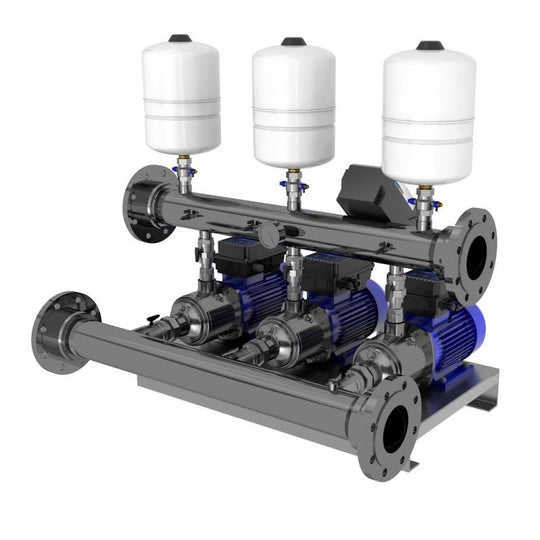
Triple Variable Speed Booster Set MX18-4 900L/Min @ 3.25 Bar
£8,055.00EX VAT · £9,666.00 INCView product
Aquamatic AMV2-FE-6-9 2.5L/sec at 5.0 Bar
£8,241.00EX VAT · £9,889.20 INCView product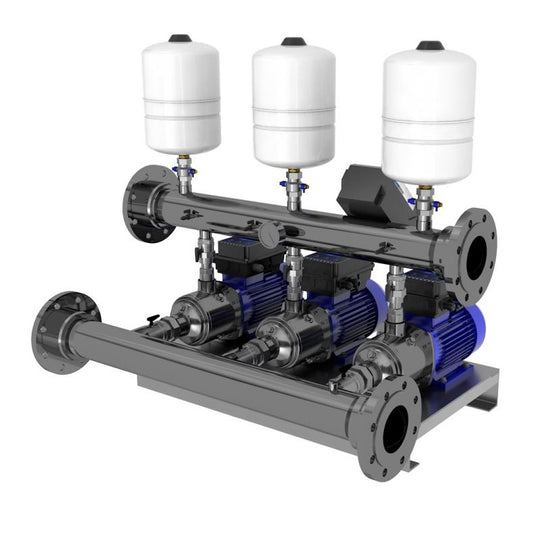
Triple Variable Speed Booster Set MX18-5 900L/Min @ 4.0 Bar
£8,255.00EX VAT · £9,906.00 INCView product
Triple Variable Speed Booster Set MX18-6 900L/Min @ 5.0 Bar
£8,770.00EX VAT · £10,524.00 INCView product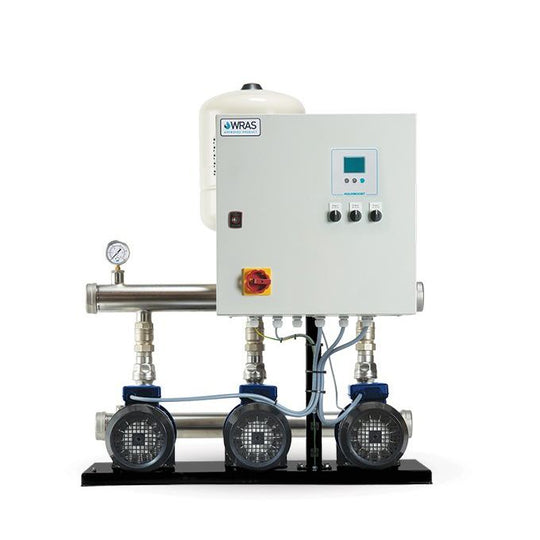
Triple Pump Booster Set, MH 72 - MAB 495 L/min @ 5.4 Bar
£9,008.00EX VAT · £10,809.60 INCView product
Aquamatic AMV2-FE-18-4 6.0L/sec at 5.0 Bar
£11,890.00EX VAT · £14,268.00 INCView product


Talk to a
specialist
Sizing, regulations, installation. Our team has been answering these questions for over 25 years.
This is our range of fully WRAS approved booster pumps using precision water management with BMS Panel Booster Pump systems €” engineered for performance, reliability, and intelligent control. Our booster pumps are designed to maintain consistent water pressure across commercial, residential, and industrial applications, while seamlessly integrating with Building Management Systems (BMS) for smart monitoring and automation all using WRAS-approved pumps provide the ultimate reassurance for your water distribution systems.
Each unit combines high-efficiency pumps, advanced control panels, and real-time system feedback to ensure optimal energy use and consistent water flow. Whether you're managing a high-rise, commercial facility, or multi-residential complex, our BMS-compatible booster pump systems deliver complete confidence in water pressure, safety, and efficiency.
Choose Tanks Direct for fully integrated booster pump solutions €” built to enhance performance, extend equipment life, and simplify water system management.
Wras Approved Pumps FAQs
What does WRAS approval actually mean for a booster pump?
WRAS approval confirms the pump and its wetted components have been tested against the Water Supply (Water Fittings) Regulations 1999, so they won't contaminate or backfeed the mains supply. This is a legal requirement for any pump connected directly to mains water, not just good practice. It gives water companies, building control and end users confidence the system is safe to install without further approval hurdles.
How do I size a booster pump set for my building?
Sizing comes down to peak simultaneous demand (litres per second) and the pressure needed at the highest or furthest outlet, factoring in pipe friction losses. For blocks of flats or commercial premises you also need to check incoming mains pressure and flow, as this dictates whether you need a break tank ahead of the booster set. If you're unsure, send us your outlet count, building height and incoming supply data and we can help match a system.
Do these booster pumps need a break tank, or can they run direct off the mains?
This depends on your water company's requirements and the pump's design — some WRAS-approved sets are approved for direct mains boosting, others require an intermediate break tank to prevent excessive draw-off affecting neighbouring properties. Direct mains boosting is more common for smaller domestic or light commercial applications with modest flow rates. For high-rise or high-demand buildings, a break tank is usually the safer and more compliant route.
What's the benefit of a BMS-compatible control panel over a standard pump controller?
A BMS-integrated panel gives you real-time visibility of pump status, fault alarms, pressure and flow data from a central building management system, rather than relying on site visits to check the plant room. This means faster fault diagnosis, better energy monitoring, and the ability to schedule maintenance proactively rather than reactively. For managed blocks and commercial facilities this significantly reduces downtime risk and callout costs.
Can a booster pump system run on twin or duty/standby pumps for resilience?
Yes, most of our booster sets are available in duty/standby or duty/duty/standby configurations, so if one pump fails or is taken offline for servicing, the other automatically takes over without loss of supply. This is standard practice for any building where continuous water pressure is critical, such as hospitals, high-rise residential or commercial facilities. The control panel handles the pump alternation automatically to even out wear across units.
What's involved in installing and commissioning a WRAS-approved booster set?
Installation should be carried out by a competent plumber or engineer familiar with the Water Regulations, with the unit sited in a dry, accessible, frost-free plant room with adequate drainage nearby. Electrical connection for the control panel typically needs a qualified electrician, and commissioning includes setting pressure switches, checking flow rates and confirming alarm functions before handover. We'd always recommend notifying your local water company before connecting any booster pump to the mains supply, as some require prior approval.