WaterLeak Detection
Catch leaks early.

Water Meter WRAS 1 1/2' with 1:10 Pulse Reader
£360.00EX VAT · £432.00 INCView product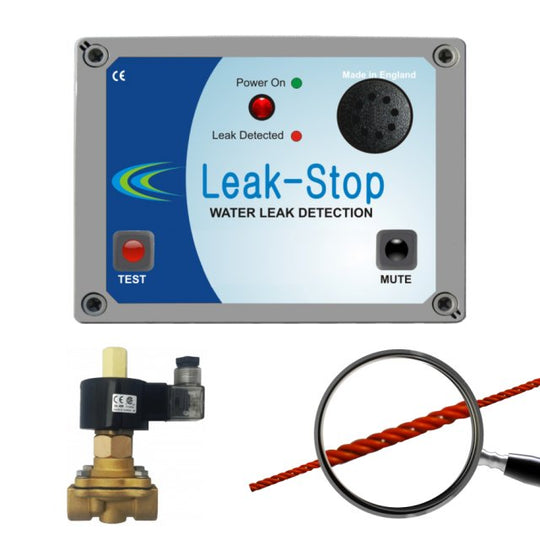
Tea Point Water Leak Detection Package
£512.00EX VAT · £614.40 INCView product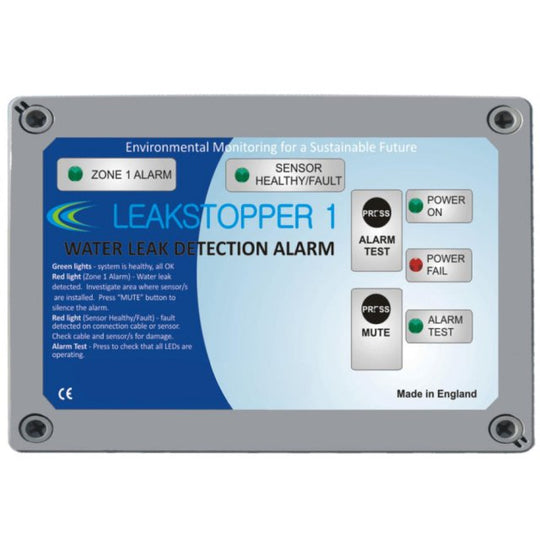
1 Zone Leakstopper Water Leak Detection Panel
£625.00EX VAT · £750.00 INCView product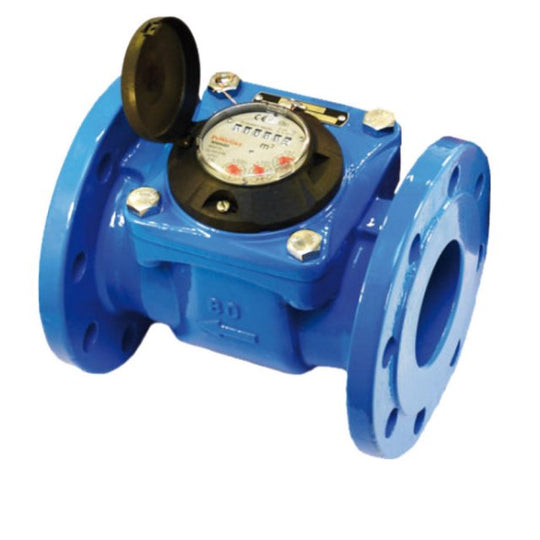
Water Meter WRAS 4' with 1:100 Pulse Reader
£665.00EX VAT · £798.00 INCView product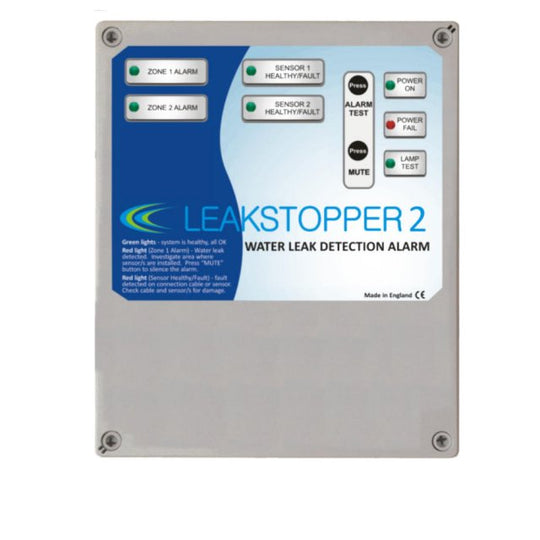
2 Zone Leakstopper Water Leak Detection Panel
£849.00EX VAT · £1,018.80 INCView product
4 Zone Leakstopper Water Leak Detection Panel
£1,315.00EX VAT · £1,578.00 INCView product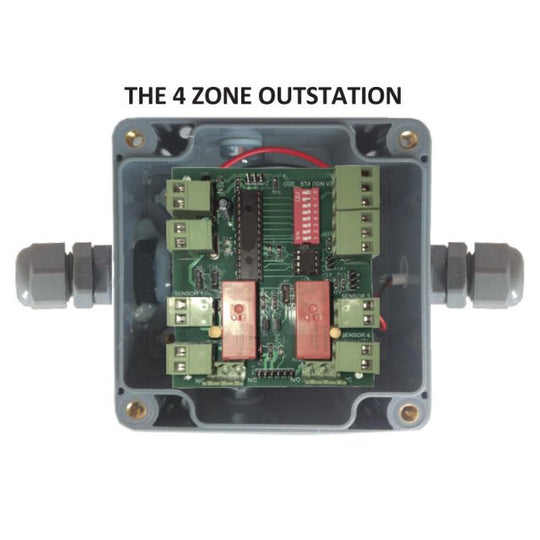
Multi Zone Leak Monitor Alarm Panel
£2,150.00EX VAT · £2,580.00 INCView product


Talk to a
specialist
Sizing, regulations, installation. Our team has been answering these questions for over 25 years.
Water leaks can cause significant damage to your property, leading to costly repairs and disruption to your daily life. Protect your home or business from the devastating effects of water damage with our range of water leak detection products at Tanks Direct. Water leak detection is widely used for a host of different applications and in many different environments. The principle behind this technique for water leak detection is based on the conductivity that exists in water. Using a sensor tape, probe, or pad, it's possible to cover large areas that are sensitive to water leaks.
Our water leak detection solutions include sensors, alarms, and control panels designed for various applications, from small domestic properties to larger commercial buildings. Our range of pulse readers, water leak detection panels, and sensor panels offer flexibility in designing a customised system. Our alarms provide audible and visual warnings, allowing you to respond quickly to potential leaks.
At Tanks Direct, our knowledgeable team can provide expert advice on product selection, installation, and maintenance. We also offer a price match guarantee, ensuring you get the best value for your money.
Water Leak Detection FAQs
How does water leak detection actually work?
Most systems rely on the electrical conductivity of water rather than moisture alone. A sensor cable, tape, probe or pad is positioned where a leak is likely to appear, and as soon as water bridges the sensor's contacts it triggers a signal to a control panel or alarm. This means detection is near-instant, well before standing water becomes visible or causes damage.
Where should leak detection sensors be positioned?
Sensors work best at the lowest point of a room or along likely water paths, such as under boilers, water heaters, dishwashers, washing machines, server rooms and plant rooms. Sensor tape or cable can be run along skirting level or floor voids to cover a perimeter, while point probes suit a single vulnerable spot like beneath a tank or pump. For larger areas, a combination of tape and discrete probes usually gives the most reliable coverage.
What's the difference between sensor cable, tape and probes?
Sensor cable and tape are designed to detect leaks along a run, making them ideal for skirting boards, raised floors or long pipe routes where a leak could occur anywhere along the length. Probes and pads are point sensors, better suited to a fixed high-risk location such as under a single appliance or tank. Choosing between them depends on whether you need to protect a defined line or a specific spot.
Can a leak detection system automatically shut off the water supply?
Yes, many control panels can be paired with a motorised shut-off valve so that when a leak is detected the water supply is isolated automatically, not just signalled. This is particularly valuable in unoccupied commercial premises or holiday properties where a leak could otherwise run unchecked for days. It's worth confirming valve compatibility and pipe size when specifying a system, as our team can advise on suitable pairings.
Are leak detection alarms mains-powered or battery operated?
Both options are available depending on the system and application. Battery-powered alarms are quick to fit and useful for retrofitting to individual appliances, while mains-powered panels with battery back-up are better suited to permanent installations covering multiple zones. For commercial or plant room use, a mains-fed panel with back-up power is generally the more robust choice.
Is water leak detection suitable for both domestic and commercial properties?
Yes, systems scale from a single sensor and alarm protecting a domestic utility room or kitchen through to multi-zone control panels covering plant rooms, server rooms or entire commercial buildings. Larger sites typically use a control panel with multiple sensor inputs so each zone can be monitored and identified separately. Our team can help design a system sized correctly for the number of zones and level of risk involved.