Stable& Yard Equipment
Kit for the yard.

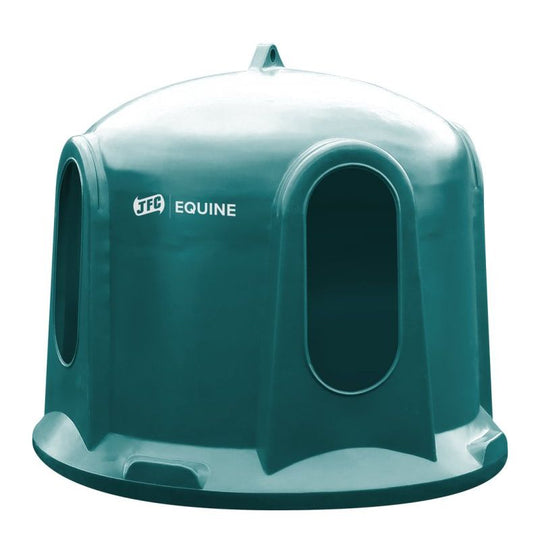
Horse Haybell Feeder
£427.00EX VAT · £512.40 INCView product
JFC Easy Empty Cubic Metre Meal Bin
£493.00EX VAT · £591.60 INCView product
FarmCam HD Starter Pack (1x Camera & Receiver)
£551.00EX VAT · £661.20 INCView product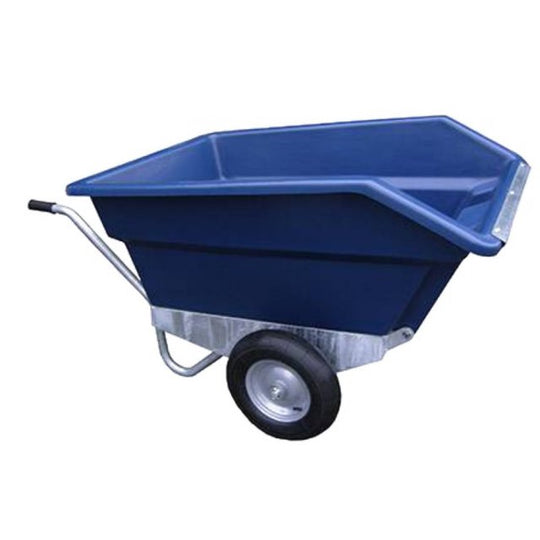
400L Tipping Wheelbarrow, Blue
£608.00EX VAT · £729.60 INCView product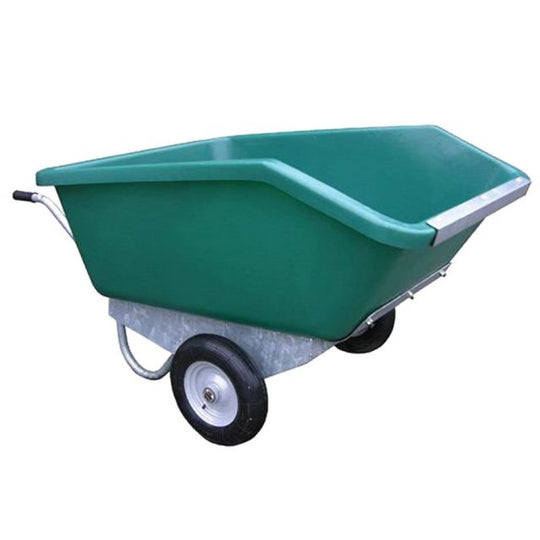
JFC 500 Litre Tipping Wheelbarrow, Green
£649.00EX VAT · £778.80 INCView product
120 Litre Pressure Washer Wheelbarrow Tank
£1,275.00EX VAT · £1,530.00 INCView product
120 Litre Sprayer Wheelbarrow Tank
£1,305.00EX VAT · £1,566.00 INCView product
Electric Poly Trolley Washer
£3,083.00EX VAT · £3,699.60 INCView product


Talk to a
specialist
Sizing, regulations, installation. Our team has been answering these questions for over 25 years.
Stable & Yard Equipment FAQs
What size water trough do I need for my yard?
As a rough guide, allow around 25-45 litres of trough capacity per horse per day, with larger reserves needed in summer or for busy livery yards. Cattle and larger stock will need proportionately more, so it's worth sizing the trough or header tank to cover peak demand plus a buffer rather than day-to-day minimum use. We can help you match trough or tank capacity to head count and refill frequency.
Do stable yard water troughs need to be connected via a WRAS-approved fitting?
Yes — if your trough or tank is fed from the mains, the connection must include WRAS-approved backflow prevention (typically an air gap or a float valve with the correct category rating) to stop contaminated yard water siphoning back into the drinking water supply. This applies whether you're filling by ballcock, float valve or a manual hosepipe arrangement. Non-mains-fed troughs filled from a bowser or borehole don't carry the same requirement, but good hygiene practice still applies.
Should I choose a GRP or polyethylene tank for yard and stable use?
Polyethylene tanks are generally the better choice for stable yards — they're lightweight, impact-resistant, and shrug off knocks from wheelbarrows, hooves or machinery far better than fibreglass. GRP (fibreglass) tanks come into their own for larger bespoke installations or where a rigid, load-bearing structure is needed, such as an underground or bunded tank. For simple above-ground water storage and troughs, polyethylene is usually more practical and cost-effective.
How do I manage dirty water and yard run-off from a stable block?
Soiled water from muck heaps, wash-down areas and gateways shouldn't discharge to a watercourse or soakaway without treatment, as it's classed as agricultural effluent under the Farming Rules for Water. A dedicated dirty water storage tank or lagoon, sized to hold run-off until it can be spread or removed, is the usual solution, alongside good yard drainage that separates clean roof water from contaminated yard water. The Environment Agency can advise on storage capacity requirements for your specific yard size and stock numbers.
How do I stop yard troughs and pipework freezing in winter?
Bury supply pipework below frost depth (typically 750mm-1m in the UK) and lag any pipework that has to run above ground or through unheated areas. Insulated trough covers, or troughs with a smaller surface-to-volume ratio, help reduce ice formation, and a trickle valve or float that keeps water moving can make a real difference on exposed sites. Where a header tank feeds multiple troughs, consider insulating or partially burying the tank itself to protect the whole system.
What access do I need for delivery of a yard tank or trough?
Larger tanks are usually delivered on a flatbed or crane-offload lorry, so you'll need reasonable access for a large vehicle and enough clear space to manoeuvre and unload safely — most yards manage this fine, but tight gateways or overhead cables are worth flagging in advance. Smaller troughs and tanks can often go on a standard pallet delivery. Let us know your access details when ordering so we can arrange the right delivery method for your site.