SpillCleaning
Absorbents and clean-up gear.

Maintenance Absorbent Spill Socks - Pack of 20
£40.00EX VAT · £48.00 INCView product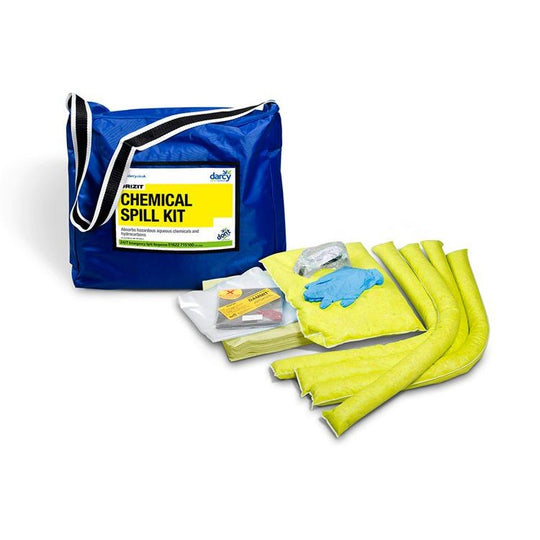
Spill Kit - Chemical (Grab Bag, 50 Litres)
£46.50EX VAT · £55.80 INCView product
Oil Selective Absorbent Spill Socks - Pack of 20
£50.00EX VAT · £60.00 INCView product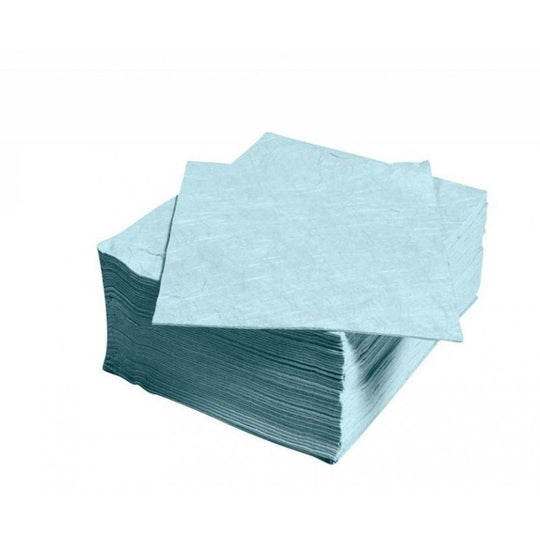
Absorbent Pads (Oil Only)
£51.99EX VAT · £62.39 INCView product
Absorbent Socks (Oil) x 20no
£51.99EX VAT · £62.39 INCView product
Absorbent Socks (Maintenance)
£54.50EX VAT · £65.40 INCView product
Absorbent Pads (Maintenance)
£61.99EX VAT · £74.39 INCView product
Absorbent Pads (Chemical)
£64.99EX VAT · £77.99 INCView product
Absorbent Roll (Chemical)
£65.99EX VAT · £79.19 INCView product
Emergency Clay Drain Mats
£66.99EX VAT · £80.39 INCView product
Drain Mat (600mm x 600mm)
£83.99EX VAT · £100.79 INCView product
Oil Spill Kit (134L)
£190.00EX VAT · £228.00 INCView product
Chemical Spill Kit (98 Litres)
£190.00EX VAT · £228.00 INCView product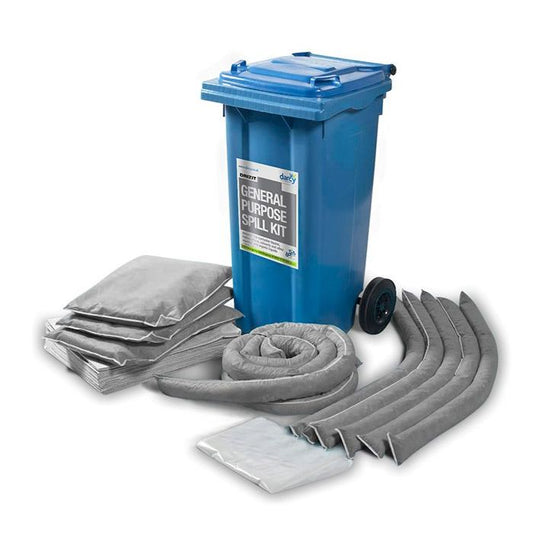
Maintenance Spill Kit (98 Litres)
£190.00EX VAT · £228.00 INCView product
Dispensing Roll Stand Open Fronted Storage Unit
£219.07EX VAT · £262.88 INCView product
FarmWash Washdown Kit
£1,277.00EX VAT · £1,532.40 INCView product


Talk to a
specialist
Sizing, regulations, installation. Our team has been answering these questions for over 25 years.
Although we all do what we can to control our spills, unfortunately there will be occasions where they can't be avoided, whether its initial containment with a spill sock or a pad for cleaning up. Tanks Direct have something that will help.
Spill Cleaning FAQs
What's the difference between a spill sock and a spill pad?
A spill sock is a flexible absorbent tube, typically filled with polypropylene or similar media, used to contain and stop the spread of a spill by forming a barrier or boom around it. A spill pad is a flat absorbent sheet placed directly onto the spill to soak it up. Most workshops and yards keep both, using socks for containment and pads for the actual clean-up.
Do I need different absorbents for oil spills compared with chemical spills?
Yes. Oil-only absorbents are hydrophobic — they'll soak up fuel, oil and hydrocarbons while repelling water, which makes them useful on wet ground or near water courses. General-purpose (maintenance) absorbents will take up oils, coolants, solvents and most non-aggressive liquids but aren't rated for aggressive chemicals. If you're dealing with acids, caustics or unknown chemicals, you need a chemical-grade absorbent that's resistant to those substances.
How many spill pads or socks should I keep on site?
This depends on what you store and handle, but as a rule of thumb you should have enough capacity to deal with the largest single container you keep on site — for example, a full IBC or drum. Many trade customers keep spill kits stocked in bulk packs near tanks, bunds and loading areas so absorbents are always to hand rather than being ordered in after an incident. Under the Control of Pollution (Oil Storage) Regulations, having adequate spill response materials on site is expected as part of managing oil storage risk.
Are spill kits a legal requirement for oil or chemical storage?
Regulations such as the Control of Pollution (Oil Storage) Regulations 2001 (England) don't specify an exact spill kit, but they do require you to take reasonable steps to prevent oil escaping into the environment, and having absorbents and containment on hand is a practical part of that. For businesses handling chemicals, COSHH assessments will often identify the need for suitable spill response equipment. It's always worth checking with your local environmental health officer or the Environment Agency for site-specific requirements.
Can spill socks and pads be used near or in watercourses?
Standard oil-only spill socks are commonly used to form a boom around a spill to stop it reaching drains, ditches or watercourses, and they'll float and continue absorbing hydrocarbons even if they end up in water. However, they're a containment measure, not a permanent barrier — if there's a risk of spillage reaching a watercourse, you should also notify the Environment Agency as part of your incident response. Always check absorbents are rated for use in aquatic environments before deploying them in or near water.
How do I dispose of used spill absorbents once they've soaked up a spill?
Used absorbents that have taken up oil, fuel or chemicals are classed as hazardous waste and can't simply go in general waste bins. They need to be stored securely, usually double-bagged, and disposed of via a licensed waste carrier who can take them to an appropriate hazardous waste facility. Keep a record of disposal (a waste transfer note) as you would for any other hazardous waste stream.