SeparatorAccessories / Spares
Separator service parts.

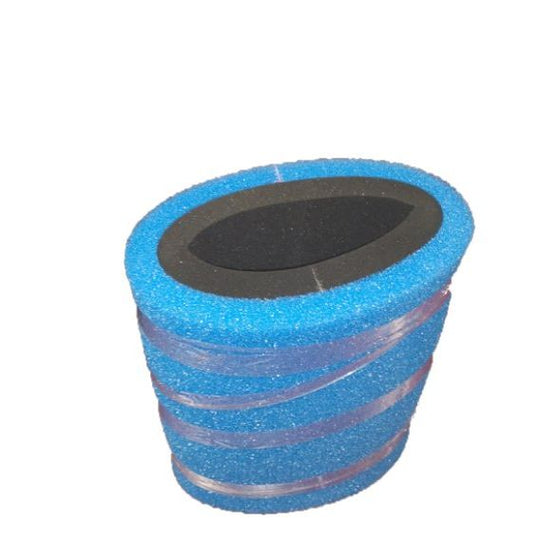
Coalescer Foam Filter - ns010-018
£136.97EX VAT · £164.36 INCView product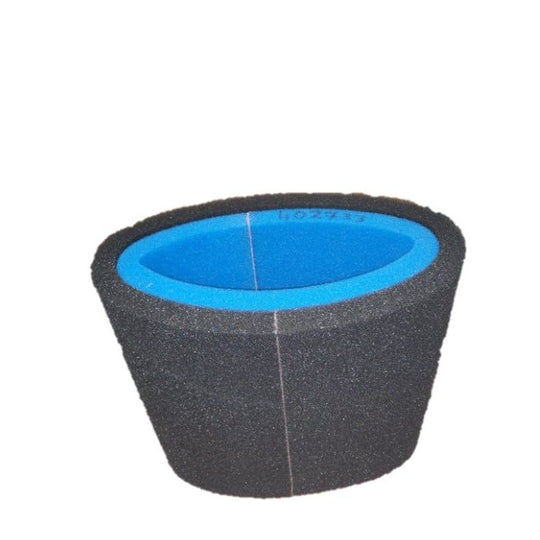
Coalescer Filter Sock 315x80x600
£168.18EX VAT · £201.82 INCView product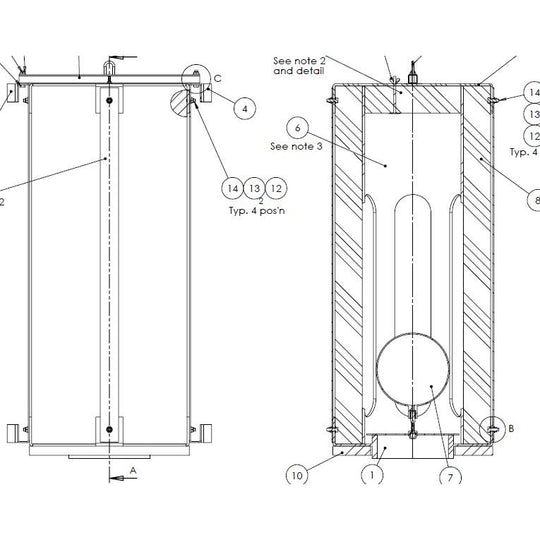
Forecourt Enviroceptor Filter COMPLETE
£187.09EX VAT · £224.51 INCView product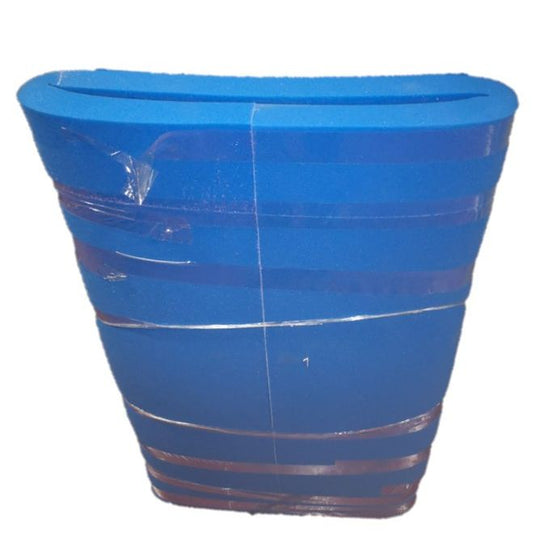
Coalescer Foam Filter - nsf020-nf065
£216.58EX VAT · £259.90 INCView product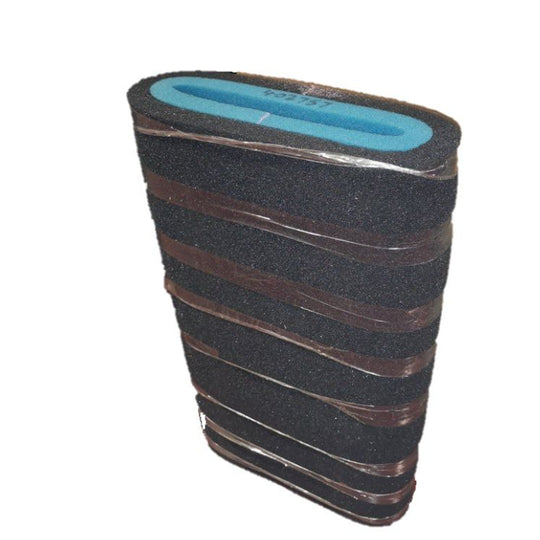
Coalescer Foam Filter - nsbd055-130
£234.33EX VAT · £281.20 INCView product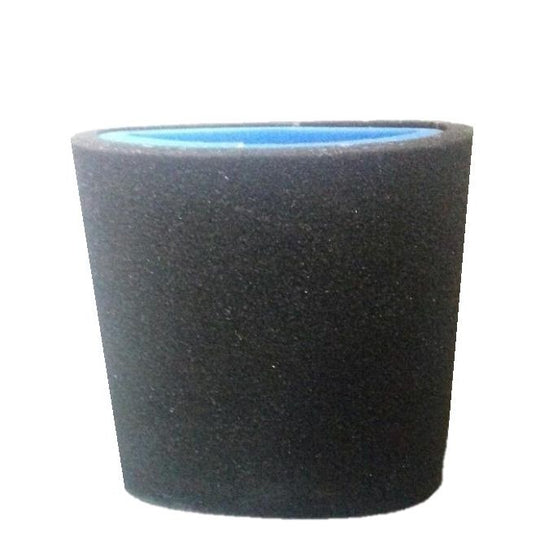
Coalescer Foam Filter - nsbe040 - nsbe050
£240.94EX VAT · £289.13 INCView product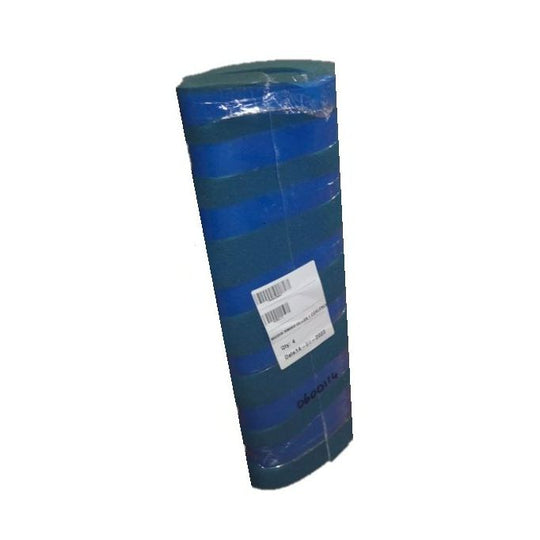
Coalescer Foam Filter - ns3-6
£245.61EX VAT · £294.73 INCView product
Klargester - High Oil Outdoor Alarm
£359.27EX VAT · £431.12 INCView product
Coalescer Foam Filter - kf020 - 050
£440.11EX VAT · £528.13 INCView product

Talk to a
specialist
Sizing, regulations, installation. Our team has been answering these questions for over 25 years.
Maintaining a separator wastewater treatment system requires keeping all its components functioning efficiently. Whether you need replacements for worn parts or components for upgrades, our extensive range caters to various separator models. We stock a wide range of essential components like foam filters. These tiny sponges are used to trap small oil droplets and cause them to merge into bigger ones, allowing for easier separation from the water. We also stock a range of replacement fixings and bearings. Worn bearings can cause increased vibration and inefficiency, while failing fixings can lead to leaks or even breakdowns. Investing in our high-quality replacements ensures your separator runs optimally and minimises the risk of costly repairs down the line.
Enhance your system's functionality and safety, with our range of separator accessories. Our alarm systems are designed to alert you of potential issues like pump malfunctions or high liquid levels. Early detection allows for prompt intervention, minimising the risk of problems escalating. We also stock lids and riser extensions, providing secure and convenient access to your separator unit for maintenance or inspection. Riser extensions are particularly useful if your separator system is buried underground.
Separator Accessories / Spares FAQs
How do I know which foam filter fits my separator?
Foam filters are sized and shaped to suit specific separator models and chamber diameters, so always check your unit's make and model before ordering. If you're unsure, measure the existing filter or the housing it sits in, as even small differences in thickness or pore density affect oil-droplet capture. Getting the wrong grade can reduce separation efficiency, so match like-for-like wherever possible.
How often should foam filters be replaced?
Most separator foam filters need replacing every six to twelve months, though this depends on how much oil and grit passes through your system and how frequently it's serviced. Filters that look compressed, discoloured or clogged with sediment should be swapped regardless of schedule. Keeping spares on site means routine maintenance visits don't get delayed waiting for parts.
What does a separator alarm system actually monitor?
Separator alarms typically monitor liquid level, oil layer thickness, and pump operation, alerting you before the unit becomes overfull or a pump fails. Early warning prevents oil or effluent discharging into the drainage system, which can trigger environmental breaches. Most units run on mains power with a battery backup, so they'll still alert during a power cut.
Are replacement bearings and fixings interchangeable between separator brands?
Not usually — bearing sizes, seal types and fixing thread patterns vary between manufacturers and even between model generations from the same maker. Fitting an incompatible part can cause premature wear or leaks around the housing. It's always worth quoting the model number and, ideally, the part reference from your original documentation when ordering.
How do I choose the right riser extension for my separator?
Riser extensions are chosen based on how deep your separator is buried and the diameter of the existing access neck, so measure the depth from the tank collar to finished ground level first. Extending access to ground level makes inspections and desludging far easier and safer, particularly for units installed under paving or landscaping. Always pair the riser with a suitably rated lid to maintain load-bearing capacity if it's in a trafficked area.
Can I fit separator lids and access covers myself, or do I need a contractor?
Standard pedestrian-rated lids can generally be fitted by a competent installer or confident DIYer, provided the riser and seating are clean and undamaged. However, if the separator sits under a driveway or any trafficked area, you'll need a load-rated cover installed correctly to bear vehicle weight, and this is worth having checked by a professional. Poorly seated or incorrectly rated lids are a common cause of cracking and water ingress.