Paxton
Paxton range.

Maxi Envirobin 140L
£375.00EX VAT · £450.00 INCView product
Paxton 600 Litre Circular Drinking Trough
£378.00EX VAT · £453.60 INCView product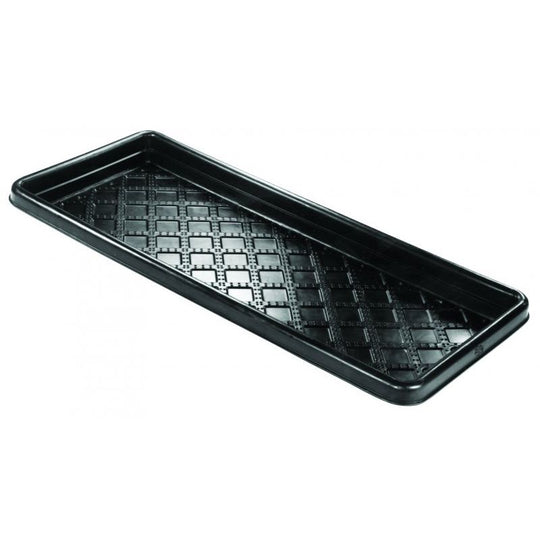
Paxton FB1 2m Footbath
£393.00EX VAT · £471.60 INCView product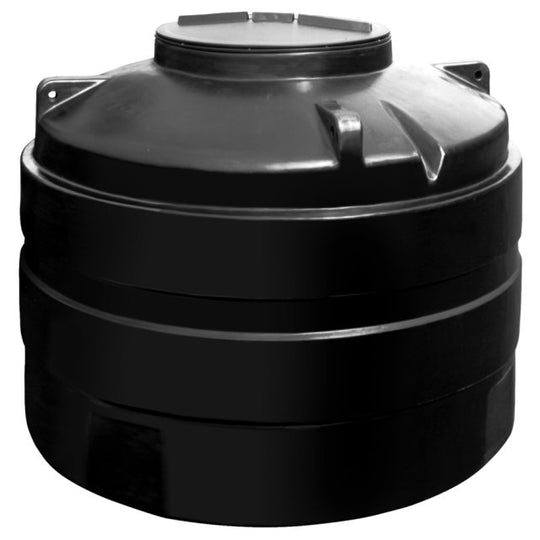
900 Litre Above Ground Water Storage Tank
£422.00EX VAT · £506.40 INCView product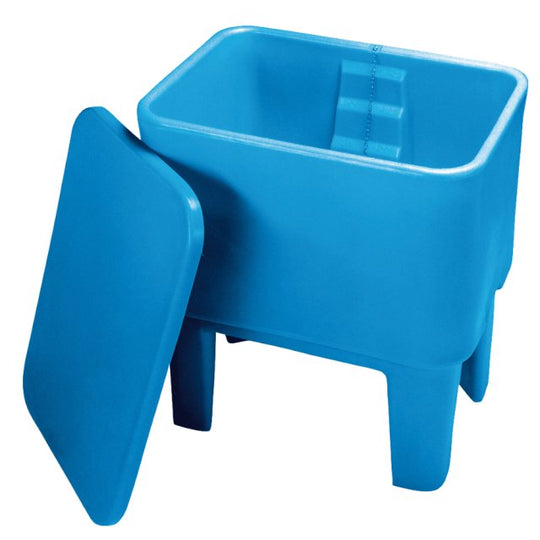
Paxton Dairy Trough, Double Skinned, DHT2A
£423.71EX VAT · £508.45 INCView product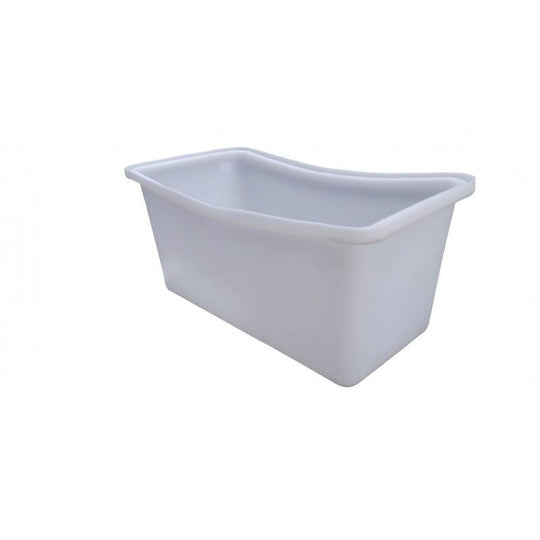
Heavy Duty Stackable Tank Bin 450L
£424.00EX VAT · £508.80 INCView product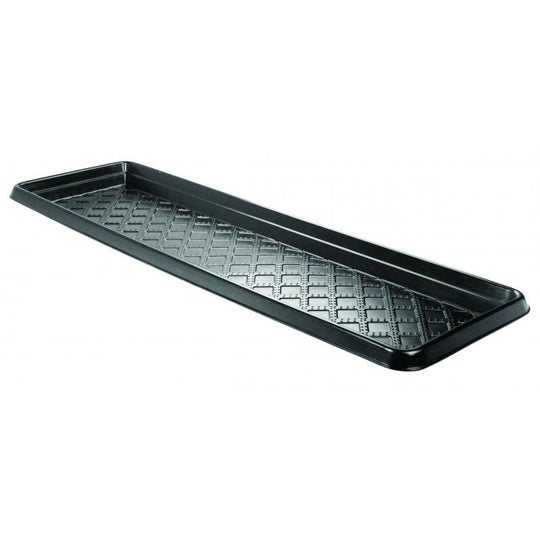
Large Footbath
£448.00EX VAT · £537.60 INCView product
Paxton 500 Litre Rectangular Drinking Trough- AT19
£462.00EX VAT · £554.40 INCView product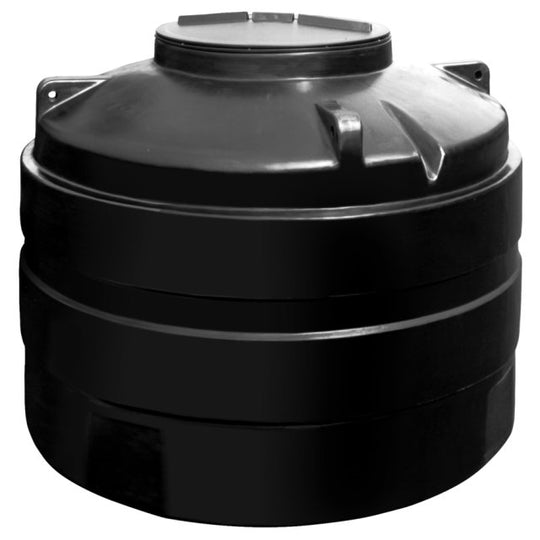
900 Litre Underground Tank
£513.00EX VAT · £615.60 INCView product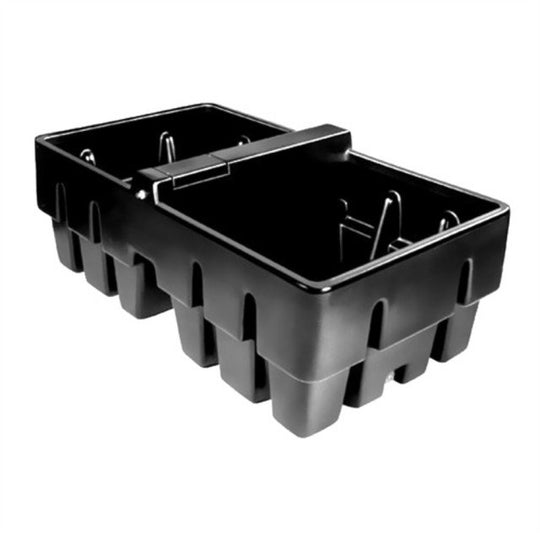
Paxton 1000 Litre Rectangular Drinking Trough - AT22
£569.00EX VAT · £682.80 INCView product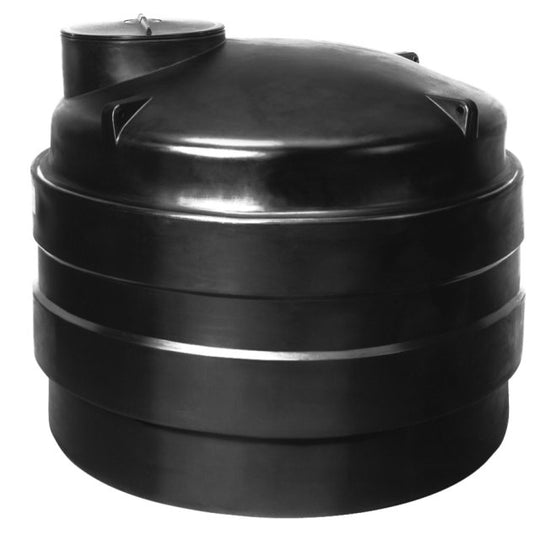
2700 Litre Above Ground Water Storage Tank
£643.00EX VAT · £771.60 INCView product
Paxton 2000 Litre Circular Drinking Trough with Ballcock
£699.00EX VAT · £838.80 INCView product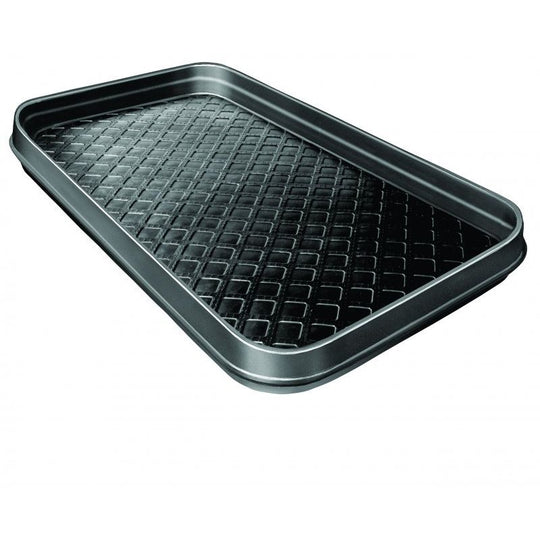
Equestrian Tray/Wide Footbath
£729.00EX VAT · £874.80 INCView product
TwinBin
£750.00EX VAT · £900.00 INCView product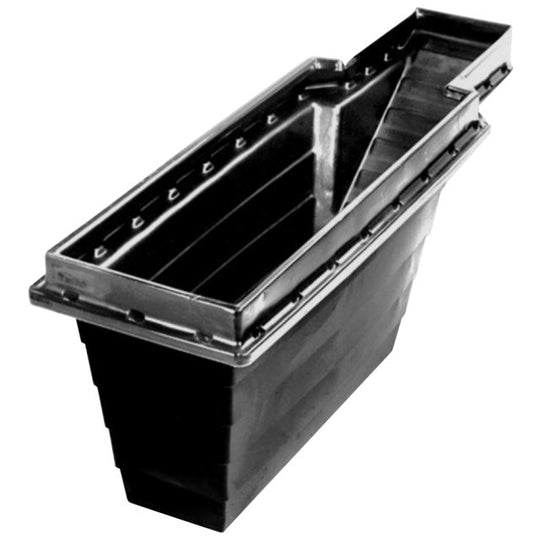
Paxton Narrow Sheep Dip - 1136 Litre - SD250
£889.69EX VAT · £1,067.63 INCView product
4500 Litre Above Ground Water Storage Tank
£1,036.00EX VAT · £1,243.20 INCView product


Talk to a
specialist
Sizing, regulations, installation. Our team has been answering these questions for over 25 years.
Paxton FAQs
What is the Paxton range of tanks best suited to?
Paxton tanks are a modular GRP (glass-reinforced plastic) sectional range, designed for larger-volume water storage where a single-piece tank isn't practical to deliver or site. They're commonly specified for fire suppression reservoirs, bulk potable water storage and non-potable applications such as irrigation or industrial process water. Because they're built from bolted panels, capacity can be scaled up simply by adding sections.
How is a Paxton sectional tank delivered and installed?
Unlike a one-piece tank, Paxton tanks arrive as flat-packed GRP panels, internal bracing and seals, which are assembled on site — usually by a specialist installation team rather than lifted in whole. This means access for a crane isn't needed, making them a practical option for tight or restricted sites. You will need level, prepared foundations and enough space around the footprint for the panels to be bolted together.
What base or foundation does a Paxton tank need?
Paxton tanks require a flat, level, load-bearing base — typically a concrete slab or ring beam designed by a structural engineer to suit the tank's filled weight and ground conditions. The base must be accurately set out to the tank's footprint before assembly begins, as sectional tanks have little tolerance for an uneven or out-of-square foundation. We'd always recommend getting the base design confirmed against the specific tank's loading data before pouring.
Can a Paxton tank be used to store drinking water?
Yes — Paxton tanks are available in WRAS-approved potable specification, using liners and jointing materials suitable for wholesome water storage. If the tank is for drinking water, food-grade use or anywhere it connects to the mains supply, make sure you specify the potable build rather than the standard non-potable version. Non-potable spec is fine for fire water, irrigation or grey water storage where drinking-water compliance isn't required.
How do I work out what size Paxton tank I need?
Sizing depends on the application: for fire suppression it's driven by the required fire flow duration set out in your fire strategy or insurer's requirements; for potable or process water it's based on daily demand and desired buffer or downtime cover. Because the range is modular, capacities aren't fixed to a handful of sizes — sections can be combined to hit an exact volume. Our team can help match a configuration to your required capacity and footprint constraints.
Do Paxton tanks need any additional fittings or accessories?
Most installations need inlet and outlet connections, an overflow, access hatches for inspection, and a ladder or internal rungs for larger tanks, none of which are always included as standard and should be specified alongside the tank. Depending on use, you may also need a float valve, level sensors or a fire brigade connection for suppression tanks. It's worth confirming your full fittings list before ordering so everything arrives ready for a single installation visit.