OnePiece Divided
Two compartments, one tank.
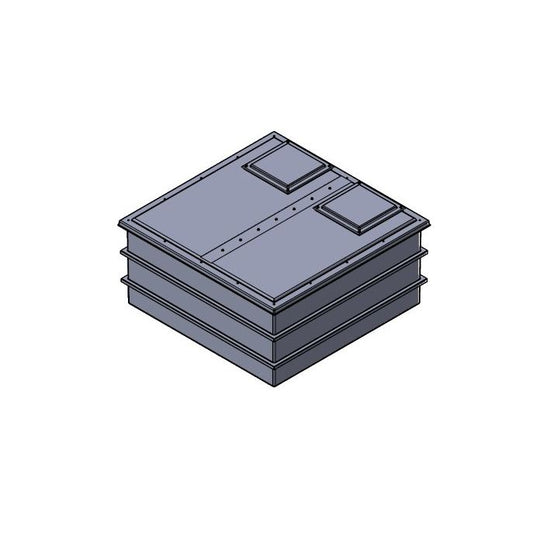
4000 Litre Divided GRP Water Tank, Insulated
£3,287.00EX VAT · £3,944.40 INCView product
4500 Litre Divided GRP Water Tank, Insulated
£3,372.00EX VAT · £4,046.40 INCView product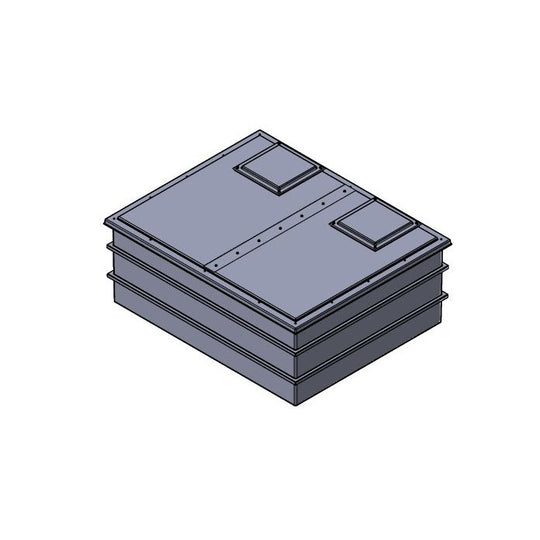
5000 Litre Divided GRP Water Tank, Insulated
£3,684.00EX VAT · £4,420.80 INCView product
4001 Litre Divided GRP Water Tank, Insulated
£3,865.00EX VAT · £4,638.00 INCView product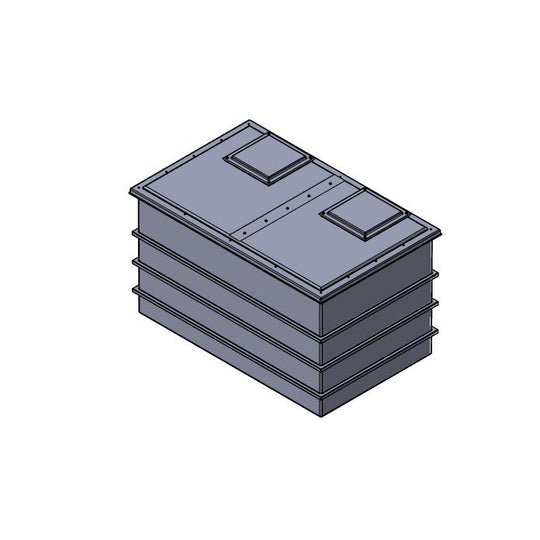
5625 Litre Divided GRP Water Tank, Insulated
£3,960.00EX VAT · £4,752.00 INCView product
6000 Litre Divided GRP Water Tank, Insulated
£4,357.00EX VAT · £5,228.40 INCView product
6001 Litre Divided GRP Water Tank, Insulated
£4,763.00EX VAT · £5,715.60 INCView product
7500 Litre Divided GRP Water Tank, Insulated
£5,316.00EX VAT · £6,379.20 INCView product
9000 Litre Divided GRP Water Tank, Insulated
£5,715.00EX VAT · £6,858.00 INCView product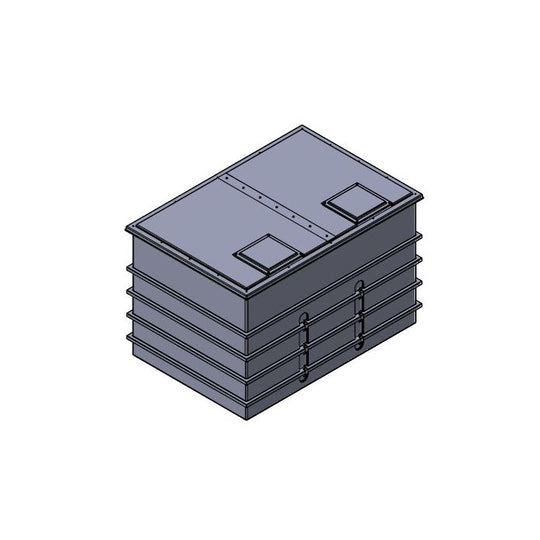
12000 Litre Divided GRP Water Tank, Insulated
£6,390.00EX VAT · £7,668.00 INCView product


Talk to a
specialist
Sizing, regulations, installation. Our team has been answering these questions for over 25 years.
One Piece Divided FAQs
What exactly is a "one piece divided" tank?
It's a single moulded tank shell — usually GRP or polyethylene — with an internal baffle wall built in during manufacture, creating two separate compartments within one continuous structure. Unlike bolting two tanks together, there's no external join or seal to fail, so it's inherently more robust and leak-resistant.
What are divided tanks commonly used for?
Typical applications include storing two different volumes or grades of water in one footprint — for example potable and non-potable supply, fresh water and grey water, or splitting capacity for staged usage such as a header tank and reserve. They're also popular where site space is tight and two standalone tanks won't fit.
Can the two compartments hold different liquids safely?
Yes, provided the tank is specified for that use — the internal baffle is moulded as part of the tank wall, so there's no path for cross-contamination between sides. If one side is for wholesome water, check it carries WRAS approval independently of the non-potable side's specification.
What compartment size ratios are available?
Most divided tanks in this range come in even splits or offset ratios such as two-thirds/one-third, depending on the model, so you can match capacity to how the water or waste is actually used. Check the individual product spec sheet, as available ratios vary by tank size and manufacturer.
How are inlets, outlets and access arranged on a divided tank?
Each compartment has its own inlet, outlet and inspection hatch so the two sides can be filled, drawn down and cleaned independently. Make sure you order the correct fitting positions and sizes for your pipework layout, as these are usually fixed at manufacture rather than adjustable on site.
Are these tanks suitable for above and below ground installation?
Most one piece divided tanks are designed for above-ground use, though some GRP versions can be specified for underground burial with the correct backfill and access extensions. Always confirm ground conditions and loading with the manufacturer's installation guidance before excavating, as the divided structure affects how the tank handles external pressure.