NestableStorage Bunds And Containers
Stackable containment storage.

18 Litre Nestable Stacking Tub
£45.00EX VAT · £54.00 INCView product
31 Litre Nestable Stacking Tub
£51.00EX VAT · £61.20 INCView product
46 Litre Nestable Stacking Tub
£54.00EX VAT · £64.80 INCView product
Nestable Stacking Tank / Storage Container 100L
£119.00EX VAT · £142.80 INCView product
Nestable Stacking Tank / Storage Container 145L
£125.00EX VAT · £150.00 INCView product
Nestable Stacking Tank / Storage Container 305L
£151.00EX VAT · £181.20 INCView product
18 Litre Nestable Stacking Tub Pack of 5
£199.00EX VAT · £238.80 INCView product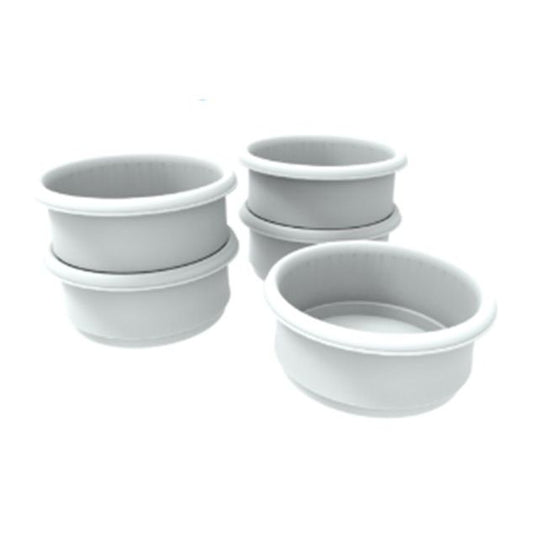
31 Litre Nestable Stacking Tub Pack of 5
£225.00EX VAT · £270.00 INCView product
80 Litre Stacking Box, Pack of 5
£232.00EX VAT · £278.40 INCView product
46 Litre Nestable Stacking Tub Pack Of 5
£250.00EX VAT · £300.00 INCView product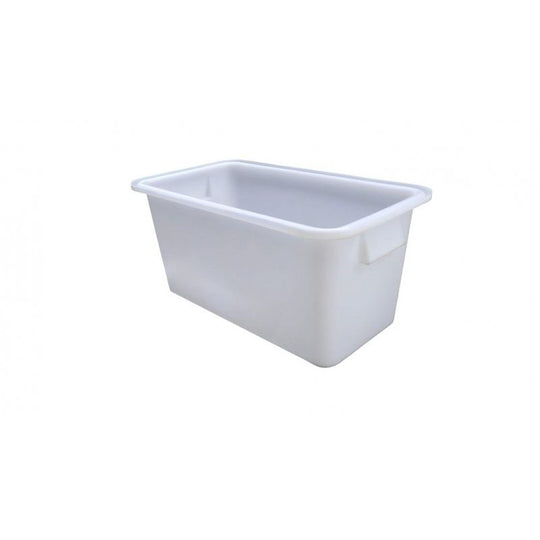
Heavy Duty Stackable Tank Bin 400L
£253.00EX VAT · £303.60 INCView product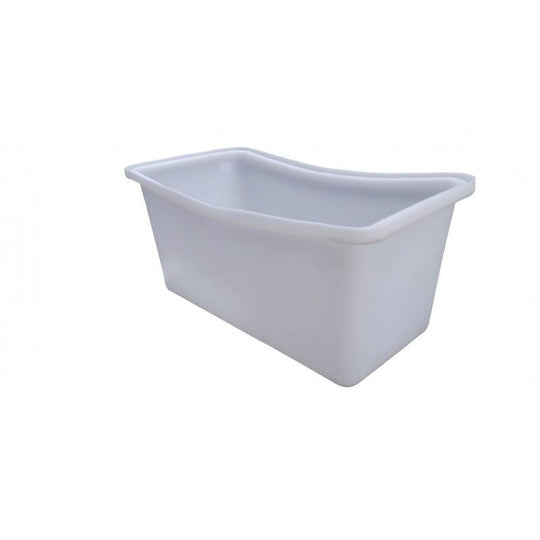
Heavy Duty Stackable Tank Bin 450L
£424.00EX VAT · £508.80 INCView product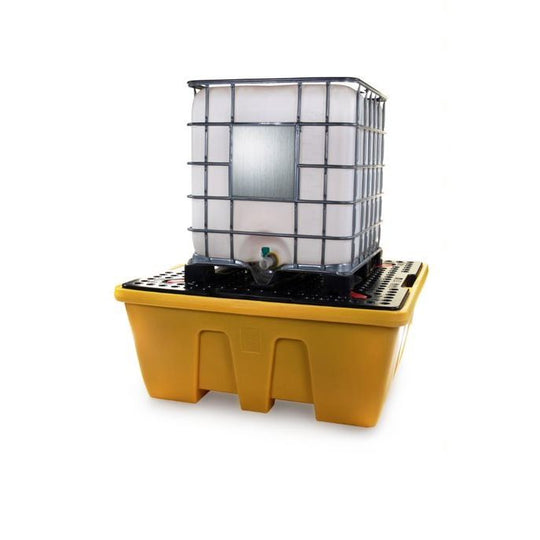
Nestable Single IBC Spill Pallet
£722.40EX VAT · £866.88 INCView product
Nestable Double IBC Spill Pallet
£772.93EX VAT · £927.52 INCView product


Talk to a
specialist
Sizing, regulations, installation. Our team has been answering these questions for over 25 years.
Where space on site is a premium, our nestable, stacking bunds, pallets and containers are the ideal solution for saving space and lowering transportation costs. Our nestable IBC bunds are an economical solution for storing IBC containers, and when not in use can be stored and transported easily.
Nestable Storage Bunds And Containers FAQs
What exactly is a nestable bund and how does it save space?
A nestable bund is a low-profile secondary containment tray designed so empty units stack inside one another, rather than side by side. This dramatically cuts storage footprint and transport volume when the bunds aren't actively holding an IBC. They're particularly useful on sites with multiple bunded stations or seasonal storage needs.
Do nestable bunds meet the legal containment requirements for IBCs?
Yes, our nestable bunds are sized to hold at least 110% of the contents of a single 1,000-litre IBC, in line with Environment Agency guidance (PPG2/GPP2 principles) and COSHH storage requirements. Always check the specific bund's stated capacity against the IBC you're storing, especially if you're containing an oil or chemical product with different regulatory margins.
Can nestable bunds be used outdoors and left exposed to weather?
Most nestable bunds are manufactured from UV-stabilised polyethylene, making them suitable for permanent outdoor use in the UK climate. That said, if you're storing anything rainwater could contaminate or dilute, or if local drainage rules apply, a lid or roofed storage area is worth considering. Check the product spec for UV rating before committing to a fully exposed site.
How many bunds can be stacked together for storage or transport?
This varies by model, but most nestable bunds are designed to stack five to ten units high when empty, keeping pallet space and vehicle loads to a minimum. Check the individual product listing for the confirmed nesting height, as wall profile and moulding design affect how tightly units interlock.
What's the difference between a nestable bund and a standard fixed IBC bund?
A standard fixed bund is a one-piece moulded tray that doesn't collapse or stack, so it takes up the same footprint whether in use or not. Nestable versions use a tapered or ribbed design specifically so empty units slot inside each other, which suits sites needing multiple bunds only some of the time, or businesses moving stock between locations regularly.
Do I need a separate sump or drainage point with a nestable bund?
Most nestable bunds are supplied as a self-contained catch tray with no built-in drain, so any spillage simply collects in the base until manually removed. If you need to draw off rainwater or wash-down liquid regularly, check whether the specific model offers an optional drain valve, as not all nestable designs include one due to the stacking wall profile.