JFC
JFC agricultural plastics.
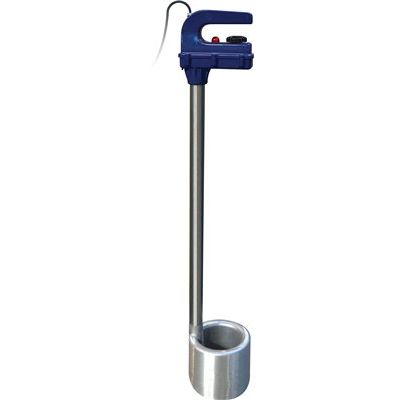
JFC Electric Handheld Milk Warmer
£348.00EX VAT · £417.60 INCView product
Mini Horse Haybell Feeder
£364.00EX VAT · £436.80 INCView product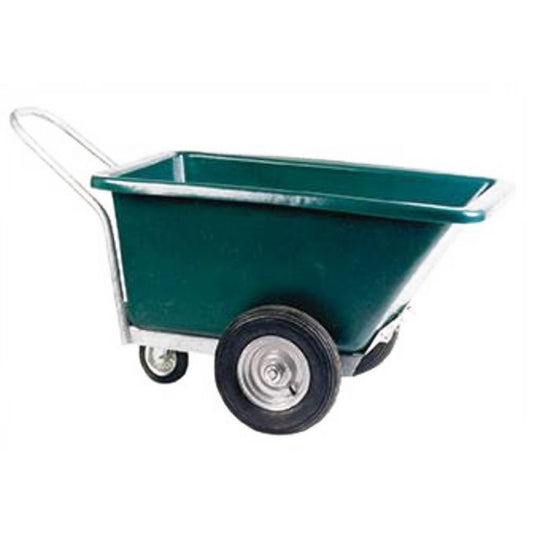
3 Wheeled Feed Barrow, Green
£367.00EX VAT · £440.40 INCView product
Narrow Interlocking Footbath, Smooth Base
POAPrice on applicationView product
250 Litre ATV Tipping Trailer
£369.00EX VAT · £442.80 INCView product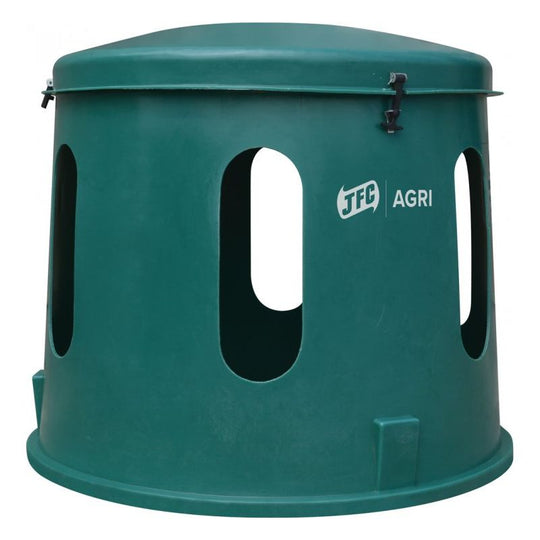
JFC Mini Sheep Haybell Feeder
£369.00EX VAT · £442.80 INCView product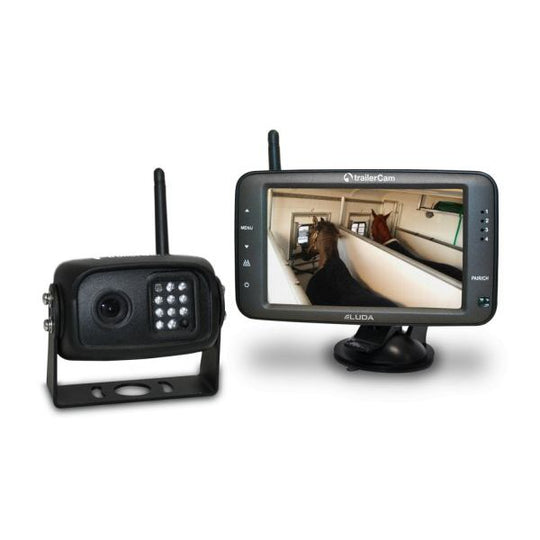
TrailerCam HD
£374.50EX VAT · £449.40 INCView product
FarmCam 360°S
£375.00EX VAT · £450.00 INCView product
Cow Footbath with Smooth Base
POAPrice on applicationView product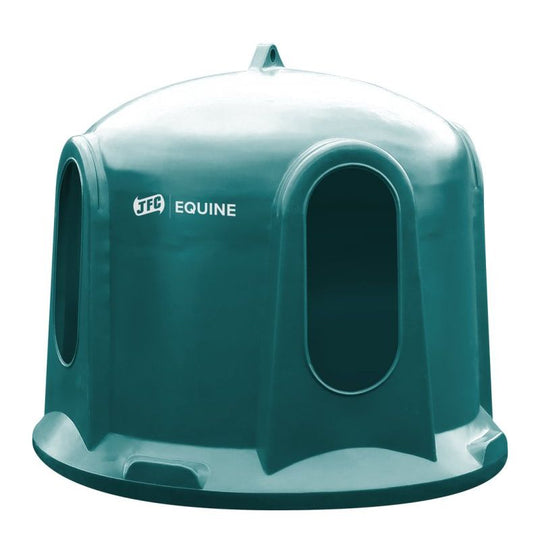
Horse Haybell Feeder
£427.00EX VAT · £512.40 INCView product
JFC 380L Chemical Storage Cabinet
£441.00EX VAT · £529.20 INCView product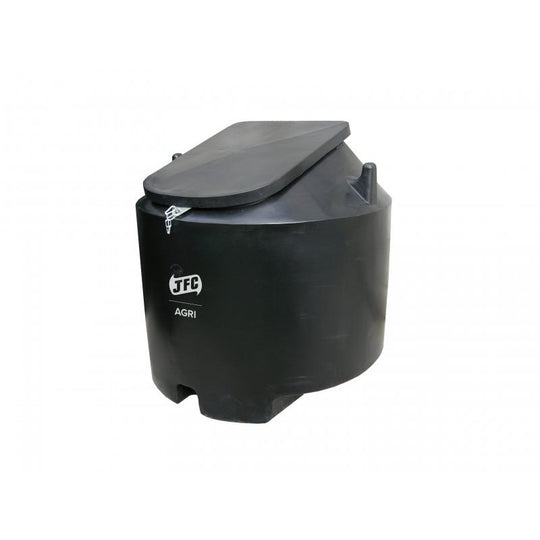
Half tonne meal bin - with lockable lid
£455.00EX VAT · £546.00 INCView product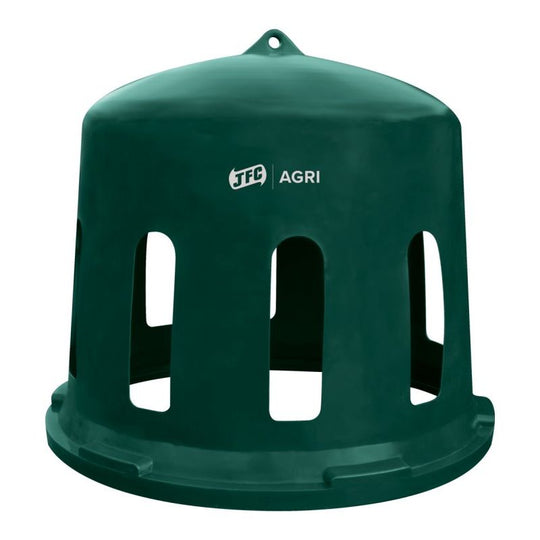
Sheep Haybell Feeder
£457.00EX VAT · £548.40 INCView product
JFC Easy Empty Cubic Metre Meal Bin
£493.00EX VAT · £591.60 INCView product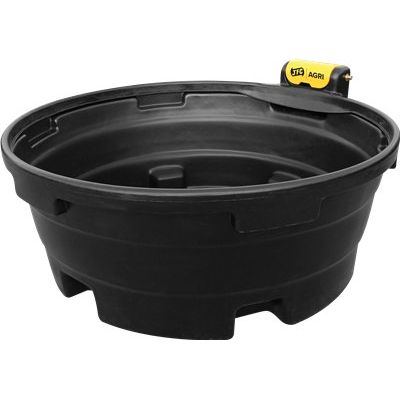
JFC 250 Gallon Fast Fill Trough
£482.00EX VAT · £578.40 INCView product
FarmCam HD Starter Pack (1x Camera & Receiver)
£551.00EX VAT · £661.20 INCView product


Talk to a
specialist
Sizing, regulations, installation. Our team has been answering these questions for over 25 years.
JFC FAQs
What types of tanks does the JFC range cover?
JFC manufacture a broad range of polyethylene tanks including potable and non-potable water tanks, septic tanks, pump chambers and bunded oil tanks. Their tanks are widely used across agricultural, domestic and commercial off-mains applications throughout the UK and Ireland. The range spans small header tanks right up to large-capacity water storage units.
Are JFC water tanks suitable for storing drinking water?
Yes, JFC's potable water tanks are manufactured to WRAS standards and are suitable for storing wholesome water. Always check the specific product listing to confirm WRAS approval before use, as JFC also produce non-potable tanks for rainwater harvesting and general water storage. Using the wrong tank type for drinking water isn't just risky — it can also breach water byelaws.
Can JFC tanks be installed below ground?
Some JFC tanks are designed for below-ground installation, but many in the standard water storage range are intended for above-ground use only. Below-ground tanks need adequate wall thickness and structural design to withstand ground and groundwater pressure, so check the specification carefully. If you're unsure, ask us to confirm whether a particular model is rated for underground installation before you dig.
How do I choose the right size JFC tank for my property?
For domestic water storage, work out daily usage (roughly 150 litres per person per day is a common planning figure) and size for at least one to two days' backup supply. For septic tanks, sizing is based on the number of bedrooms or occupants and is set out in Building Regulations Part H. Agricultural and rainwater harvesting tanks are usually sized against catchment area or livestock numbers, so get in touch if you need help working out the right capacity.
Do JFC septic tanks meet current building regulations?
JFC septic tanks and treatment systems are designed to meet relevant British and Irish standards, but compliance also depends on correct installation, siting and discharge consent. Since 2020, septic tanks discharging to a watercourse in England generally need upgrading to a full treatment plant, so check with the Environment Agency or your local authority on discharge requirements. We can advise on which JFC product suits your site conditions, but final regulatory approval rests with the relevant authority.
What should I check before a JFC tank is delivered?
Larger JFC tanks are bulky and typically arrive on a curtain-sided or flatbed lorry, so make sure there's clear vehicular access and enough space to manoeuvre and unload at the delivery point. You'll usually need suitable manpower or lifting equipment on site, as drivers generally can't unload heavy tanks alone. Have your base or excavation prepared in advance so the tank isn't left standing longer than necessary.