HotWater Tanks
Store and deliver hot water.
Hot Water Tanks Sub-Categories

90 Litre GRP Hot Water Storage Tank, Insulated 50mm
POAPrice on applicationView product
125 Litre GRP Hot Water Tank, Insulated 50mm
POAPrice on applicationView product
225 Litre GRP Hot Water Tank, Insulated 50mm
POAPrice on applicationView product
250 Litre GRP Hot Water Tank, Insulated 50mm
POAPrice on applicationView product
340 Litre GRP Hot Water Tank, Insulated 50mm
POAPrice on applicationView product
454 Litre GRP Hot Water Tank, Insulated 50mm
POAPrice on applicationView product
570 Litre GRP Hot Water Tank, Insulated 50mm
POAPrice on applicationView product
500 Litre GRP Hot Tank, Insulated 50mm
POAPrice on applicationView product
680 Litre GRP Hot Water Tank, Insulated 50mm
POAPrice on applicationView product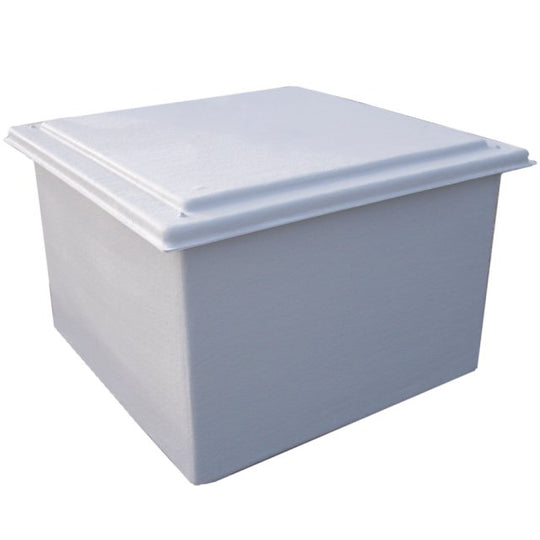
751 Litre GRP Hot Water Tank, Insulated 50mm
POAPrice on applicationView product
750 Litre GRP Hot Water Tank, Insulated 50mm
POAPrice on applicationView product
909 Litre GRP Hot Water Tank, Insulated 50mm
POAPrice on applicationView product
1000 Litre GRP Hot Water Tank, Insulated 50mm
POAPrice on applicationView product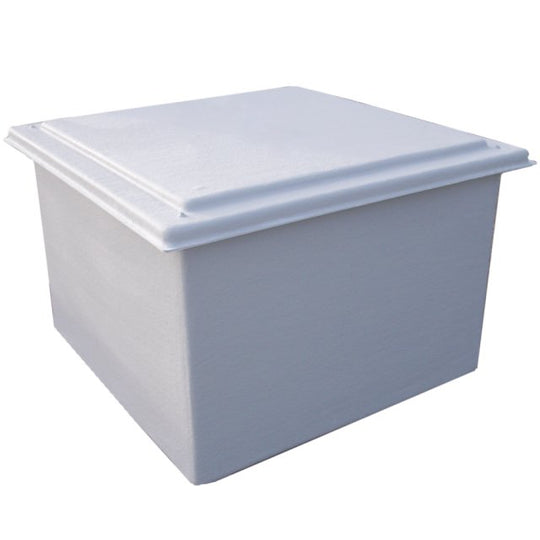
1135 Litre GRP Hot Water Tank, Insulated 50mm
POAPrice on applicationView product
1220 Litre GRP Hot Water Tank, Insulated 50mm
POAPrice on applicationView product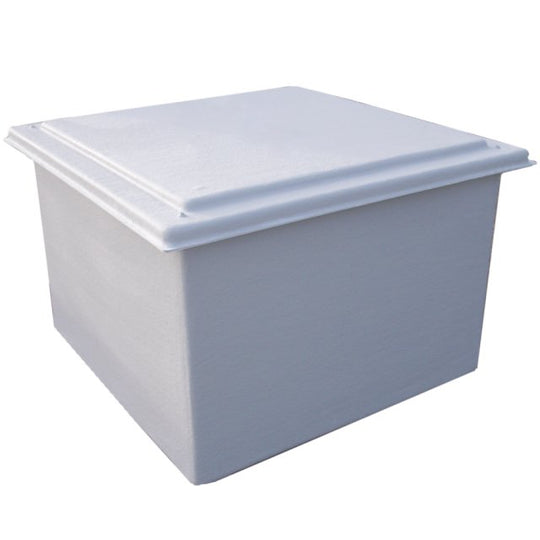
1364 Litres GRP Hot Water Tank, with 50mm Insulation
POAPrice on applicationView product


Talk to a
specialist
Sizing, regulations, installation. Our team has been answering these questions for over 25 years.
At Tanks Direct, you'll find the perfect solution for your home or business, whether you're upgrading an old system or installing a new one. We offer a variety of sizes and capacities, catering to both small domestic setups and large commercial applications. Each tank is crafted from durable materials to ensure longevity and reliable performance, so you can enjoy a steady supply of hot water without interruption.
You'll discover high-performance models that excel in energy efficiency, helping you reduce your heating costs and environmental impact. Our tanks are equipped with advanced insulation technologies to minimise heat loss, ensuring that your water stays hot for longer. With our commitment to quality and efficiency, you can trust that our hot water tanks will deliver consistent performance and long-lasting value.
For those who require additional components to complete their hot water systems, we provide a range of expansion tanks designed to handle the pressures and demands of your setup. Expansion tanks are essential for maintaining system balance and extending the life of your hot water tank by preventing excessive pressure build-up. We also offer a selection of GRP hot water tanks known for their exceptional strength and corrosion resistance. GRP tanks are an ideal choice for environments where durability and maintenance-free operation are crucial.
Hot Water Tanks FAQs
What size hot water tank do I need for my property?
As a rough guide, allow 35-45 litres per person for a standard household, so a family of four typically needs a cylinder in the 150-210 litre range. Properties with power showers, multiple bathrooms, or combi boiler back-up will need to size up accordingly. If you're unsure, it's worth checking demand against your boiler or immersion heater output before choosing a tank.
What's the difference between vented and unvented hot water tanks?
A vented tank is fed from a cold water storage tank in the loft and operates at low pressure, making it simpler and cheaper to install. An unvented tank connects directly to the mains, giving strong, consistent pressure at every outlet without needing a header tank. Unvented systems must be fitted by a competent, qualified installer due to the pressures involved and building regulations (Part G) requirements.
Do I need an expansion tank with my hot water cylinder?
Yes, if you're running an unvented or sealed system, an expansion tank (or expansion vessel) is essential. As water heats up it expands, and without somewhere for that extra volume to go, pressure will build up and can damage the cylinder or trigger the safety valve unnecessarily. Sizing the expansion vessel correctly to match your cylinder capacity extends the life of the whole system.
What materials are hot water tanks made from, and does it matter?
Most domestic cylinders are stainless steel or copper, both of which resist corrosion well and are widely used for potable hot water storage. GRP (glass-reinforced plastic) tanks are more common for larger commercial or industrial hot water storage where bespoke sizes and shapes are needed. Stainless steel is generally the preferred choice for unvented cylinders due to its strength and durability under pressure.
How much insulation do I need to keep heat loss down?
Look for tanks with factory-fitted insulation, typically CFC-free foam, that meets current Building Regulations standards for heat loss. Better-insulated cylinders lose less heat overnight, meaning your boiler or immersion heater doesn't have to work as hard to reheat the water. This directly reduces running costs and is worth prioritising over a slightly cheaper, less insulated model.
Can a hot water tank be installed anywhere, or are there restrictions?
Vented cylinders need loft or roof space above for the cold water feed, whereas unvented cylinders can be sited in an airing cupboard, utility room or loft since they don't need a header tank. All unvented installations must comply with Building Regulations Part G3 and include the correct safety devices, such as a tundish and discharge pipe. It's always worth checking access, floor loading and pipework runs before finalising the location, particularly for larger commercial units.