HandlingEquipment UK Ltd
Handling Equipment UK range.
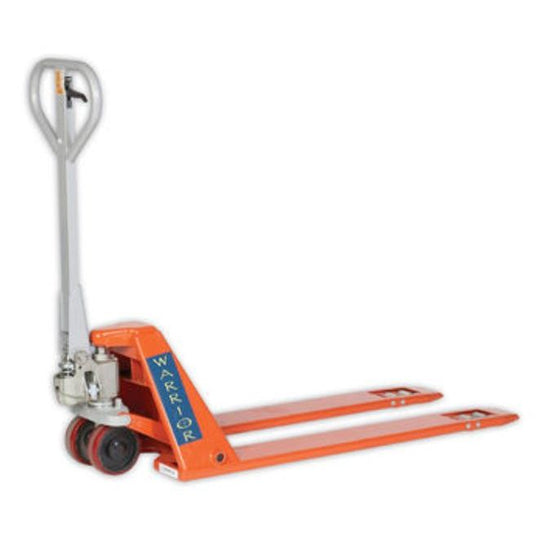
Warrior Supalow Profile Hand Pallet Truck
£685.00EX VAT · £822.00 INCView product
Warrior Eco Weigh Scale Hand Pallet Truck
£745.00EX VAT · £894.00 INCView product
Warrior Drum/Cylinder Carrier
£864.00EX VAT · £1,036.80 INCView product
Warrior Rough Terrain Pallet Truck
£1,495.00EX VAT · £1,794.00 INCView product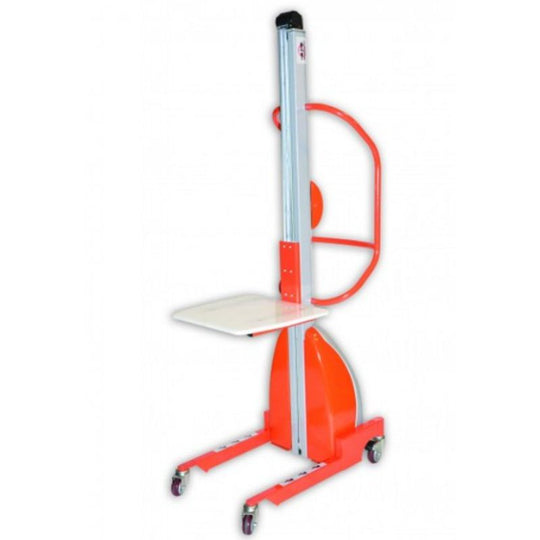
Warrior Semi Electric Work Positioner
£1,850.00EX VAT · £2,220.00 INCView product


Talk to a
specialist
Sizing, regulations, installation. Our team has been answering these questions for over 25 years.
Handling Equipment UK Ltd FAQs
What's the difference between a spill pallet and a bunded pallet?
Both terms are often used interchangeably, but a spill pallet (or spill containment pallet) typically refers to a single-unit design for one or two drums, while a bunded pallet describes any drum or IBC storage base with an integral sump to catch leaks and spills. UK regulations require secondary containment of at least 110% of the largest container's capacity, so always check the bund volume against what you're storing before buying.
Do I need a forklift to move an IBC, or can I use a pallet truck?
A standard hand pallet truck can move an empty or lightweight IBC on a firm, level surface, but a full 1000-litre IBC weighs around a tonne and needs a rated pallet truck or forklift capable of handling that load safely. For loading onto vehicles or lifting off the ground, use a forklift or crane with an appropriate lifting frame rather than relying on a pallet truck alone.
What's the safest way to lift a drum without a forklift?
Drum lifters, whether hand-operated clamps or hydraulic drum trolleys, are designed to grip and tilt a drum safely without manual lifting, reducing back injury risk and spillage. For moving drums up ramps or over uneven ground, a two- or four-wheel drum trolley with a wide wheelbase gives better stability than a basic hand truck.
Can bunded pallets be used outdoors?
Yes, many bunded pallets are made from UV-stabilised polyethylene or galvanised steel specifically for outdoor use, but check the product spec as not all are rated for prolonged weather exposure. If storing outdoors long-term, consider a version with a lockable cover or bund lid to keep rainwater out and prevent it filling the sump capacity meant for spills.
What load capacity should I look for in a tank lifting frame?
Always size the lifting frame to the full (not empty) weight of the tank, including its maximum liquid contents, and add a safety margin — most frames are rated with a working load limit stated separately from breaking strain. Check that the frame's lifting points match your tank's integral lifting lugs or straps, as mismatched fixings are a common cause of unsafe lifts.
What handling equipment do I need for delivery day when a large tank arrives?
Most large GRP or polyethylene tanks arrive on a flatbed and need offloading with a suitably rated forklift, HIAB crane, or telehandler with slings or a spreader bar — hand unloading isn't practical or safe for anything over a few hundred litres. Confirm access, ground conditions and equipment availability with your supplier before delivery so the vehicle isn't left waiting and the tank isn't damaged during offload.